
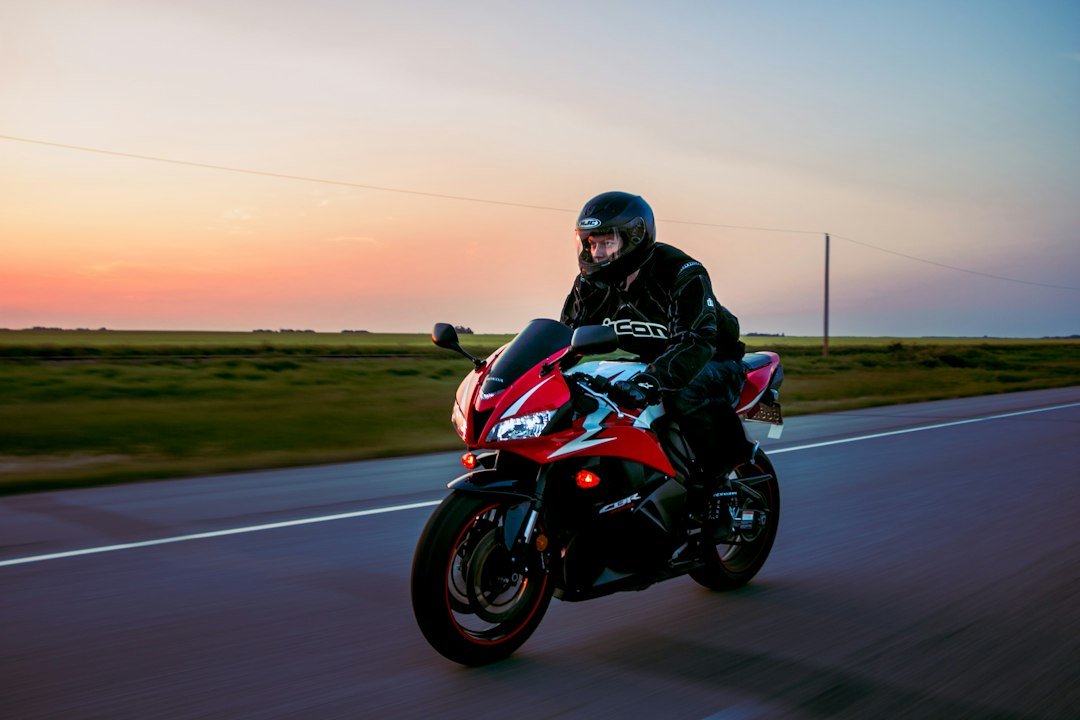
To ship a motorcycle, you get a quote, book a carrier, prep the bike (low fuel, charged battery, no loose gear), and hand it off with a signed inspection report. Most owners pay a few hundred dollars for short trips and around $1,000 or more for coast-to-coast moves, and delivery usually takes 1–10 days depending on distance. This guide walks you through every step, from the first quote to the moment you ride away.
Key takeaways
- Most bikes ship on an open or enclosed car carrier fitted with wheel chocks and soft straps. A crate is rarely needed.
- Price depends mostly on distance, route, bike size and trailer type, not on the brand.
- Plan for 1–3 days of transit under 500 miles and about 7–10 days coast to coast.
- Take dated photos of every side of the bike before pickup. They are your best proof if anything goes wrong.
- Remove saddlebag contents, loose accessories and anything that can blow off. Carriers are not licensed to haul personal items.
How motorcycle shipping works, step by step
Shipping a bike follows the same basic path as shipping a car. The difference is in how the bike is secured. A motorcycle cannot stand on its own on a moving trailer, so the driver uses a wheel chock to hold the front tire and soft-tie straps to hold the frame down without scratching it.
Here is the usual sequence:
- Get a quote. Share pickup and delivery ZIP codes, the make and model, whether the bike runs, and your first available date.
- Book and confirm. You choose open or enclosed transport and a pickup window. With CTS there is a $0 deposit to book.
- Carrier assignment. A licensed, insured carrier with motorcycle securing gear is matched to your route.
- Prep the bike. Follow the checklist further down in this guide.
- Pickup inspection. You and the driver walk around the bike and note any existing marks on the bill of lading.
- Transit. You get updates while the bike is on the road.
- Delivery inspection. You check the bike against the pickup report, sign, and you are done.
If you want the full picture of the booking side, our page on how car shipping works covers each stage in more detail. For motorcycle-specific service options, see motorcycle shipping.
Choosing a shipping method (the short version)
You have three basic choices: an open carrier, an enclosed carrier, or a crate. Each one protects the bike in a different way and fits a different budget.
- Open carrier: The most common and most affordable choice for everyday bikes, cruisers and commuters.
- Enclosed carrier: A covered trailer that keeps out rain, road grit and sun. A good fit for custom builds, vintage bikes and high-value machines.
- Crate: The bike is bolted inside a wooden or metal frame. This is mostly used for new bikes from the factory or for freight shipping. Most owners do not need it.
We keep this section short on purpose. If you are trying to decide between these options, our detailed crated vs. open vs. enclosed motorcycle shipping comparison breaks down the trade-offs, costs and best uses for each.
How much does it cost to ship a motorcycle?
Motorcycle shipping prices vary a lot. The biggest factor is distance, but route popularity, season and trailer type matter too. A bike going between two big cities on a busy highway route is often cheaper per mile than a bike going to a small rural town.
Typical price ranges
The ranges below are rough guides only. Your real price depends on your exact route, timing and bike.
| Distance | Typical transit time | What drives the price |
|---|---|---|
| Under 500 miles | 1–3 days | Pickup timing, how rural the addresses are |
| 500–1,500 miles | 3–6 days | Route demand, open vs. enclosed |
| 1,500–3,000 miles (coast to coast) | 7–10 days | Season, fuel costs, enclosed upgrade |
As a general rule, enclosed transport costs more than open. Expedited pickup and a guaranteed delivery date also add to the price. For a quick estimate on your own route, try the car shipping cost calculator.
Things that raise or lower the price
- Bike size: A full-dress touring bike or trike takes more room and may need special gear. A small sport bike or dirt bike takes less.
- Running condition: A bike that does not run needs extra hands or a ramp setup, which can add a fee.
- Season: Spring and early summer are busy for bikes. Snowbird season in fall and spring also fills trucks on north–south routes.
- Flexibility: A wider pickup window lets the carrier fit your bike into an efficient route, which can lower the price.
If you get a lower written quote from another licensed company, our Best Price Guarantee means we will match or beat it.
How long does motorcycle shipping take?
There are two parts to the timeline: the wait for pickup and the time on the road.
Pickup window
Most shipments are picked up within a few days of your first available date. In most large metro areas, same-day pickup is available if you need it. Rural pickups can take longer because the carrier has to plan a detour.
Time on the road
A truck driver can only cover so many miles per day under federal hours-of-service rules, and they make other stops along the way. Expect roughly 1–3 days for trips under 500 miles and 7–10 days for a coast-to-coast move. If you need the bike by a certain day, ask about expedited shipping or a guaranteed delivery date.
How to prepare your motorcycle for shipping
Good prep protects your bike and avoids delays at pickup. Most of these steps take less than an hour.
Motorcycle prep checklist
- Wash the bike. A clean bike makes it easy to spot existing scratches during the inspection.
- Photograph everything. Take clear, dated photos of both sides, front, rear, tank, fairings, and the odometer.
- Lower the fuel. About a quarter tank or less is the usual guideline. Less fuel means less weight and less fire risk.
- Check the battery. Make sure it is charged so the bike can be ridden or rolled on and off. If the battery is weak or the bike has a known electrical issue, tell the carrier.
- Check tire pressure. Properly inflated tires hold steadier in the chock and under the straps.
- Remove loose items. Empty saddlebags, take off GPS units, phone mounts, tank bags, and detachable mirrors or windshields if they are easy to remove.
- Secure covers. Do not leave a loose bike cover on for open transport. It can flap and scratch the paint.
- Note leaks. If the bike drips oil or coolant, tell the carrier ahead of time. Leaks can affect vehicles loaded below.
- Disable alarms. Turn off or note how to silence any alarm so it does not go off on the trailer.
- Have keys ready. The driver needs the ignition key and any keys for locks or the steering lock.
Our general vehicle shipping checklist has a printable version you can use for any vehicle.

Pickup day: what to expect
The driver will usually call or message ahead with an arrival window. Large trucks cannot always get onto narrow residential streets, so you may be asked to meet at a nearby open lot. This is normal for door-to-door shipping and does not change your price.
The inspection and bill of lading
Before loading, you and the driver look over the bike together. Every scratch, dent, chip or cracked part is marked on the bill of lading (BOL). Both of you sign it, and you keep a copy. Do not sign a blank or incomplete form.
Loading and securing
The driver rides or walks the bike up a ramp, sets the front wheel into a chock, and straps the frame down with soft ties. Good drivers avoid putting straps over painted parts, cables or plastic panels. It is fine to ask how they plan to secure your bike.
Documents and insurance
You usually do not need to hand over your title for a standard domestic move. Still, keep these ready:
- Your registration and proof of ownership, in case the carrier asks.
- A copy of your current insurance card.
- Contact info for whoever will release and receive the bike, if it is not you.
Every carrier we work with is licensed and insured. The carrier's cargo insurance is what covers damage that happens during transport. Ask for a copy of the certificate if you want to see the limits. For high-value bikes, higher coverage, up to $2M, is available on request. Your own motorcycle policy may or may not cover the bike while it is on a truck, so check with your insurer.
Special cases
Non-running bikes
Project bikes and bikes that will not start can still ship. Let us know when you book. The bike should still roll, steer and brake so it can be pushed on and off safely. If it cannot roll, the carrier will need extra equipment.
Trikes, sidecars and Spyders
Three-wheel machines are wider and are loaded more like a small car. Mention the model when you request a quote so the right trailer is sent.
Bikes going to Hawaii
Shipping a motorcycle to or from Hawaii combines truck transport to a port with ocean shipping. The rules on fuel and battery are often stricter at the port. Our Hawaii car shipping page explains the port process.
Buying a bike out of state
If you bought a bike from a private seller or dealer far away, the seller can release it to the driver. Confirm the seller will be present, has the keys, and knows the pickup window.
Delivery day: how to receive your bike
- Be on time, or have a trusted adult there with your permission.
- Before signing, walk around the bike in good light and compare it to your pickup photos and the original BOL.
- If you see new damage, write it on the delivery BOL and take photos before the driver leaves.
- Check that any items you left with the bike, like keys or a cover, are returned.
- Sign, keep your copy, and contact us right away if there is a problem.
Writing damage on the delivery receipt is very important. Once you sign a clean receipt, it is much harder to prove the damage happened during transport.
Common mistakes to avoid
- Booking last minute in peak season. Spring is busy. Book a week or two ahead when you can.
- Leaving gear in saddlebags. Personal items are not covered by cargo insurance and add weight.
- Skipping photos. Without "before" photos, a damage claim becomes your word against someone else's.
- Choosing only on price. A very low quote may sit for days without a carrier accepting it. Look for a realistic price and a clear guarantee.
- Not mentioning modifications. Lowered suspension, extended forks or wide bars can change how the bike must be loaded.
Every CTS shipment comes with 24/7 in-transit updates and our 100% satisfaction or money-back promise, so you are never left guessing where your bike is.
Frequently asked questions
Can I ship a motorcycle with a car on the same truck?
Yes. Many car carriers have spots and gear for motorcycles. If you are moving both, ask for both on one quote so they can travel together when possible.
Do I need to drain the gas tank?
No, not for normal ground transport. About a quarter tank or less is the usual guideline. Ocean shipping, such as to Hawaii, may have stricter rules, so check before you go.
Should I disconnect the battery?
Usually not. The driver needs to start or move the bike. Only disconnect it if the carrier asks, or if the bike has a known electrical drain. In that case, tell the driver.
Can I pack my riding gear with the bike?
It is best not to. Carriers are not licensed to haul household goods, and personal items are not covered by their cargo insurance. Ship helmets and gear separately.
Is my motorcycle insured while being shipped?
Yes. The carrier's cargo insurance covers damage caused during transport. Note any existing damage at pickup and any new damage at delivery so a claim can be processed smoothly.
Do I have to be there for pickup and delivery?
Someone has to be. It can be a friend, family member or seller, as long as they are an adult, have the keys, and can sign the inspection report.
Ready to move your bike? Get a free quote in minutes with $0 deposit to book.
Updated November 4, 2026