
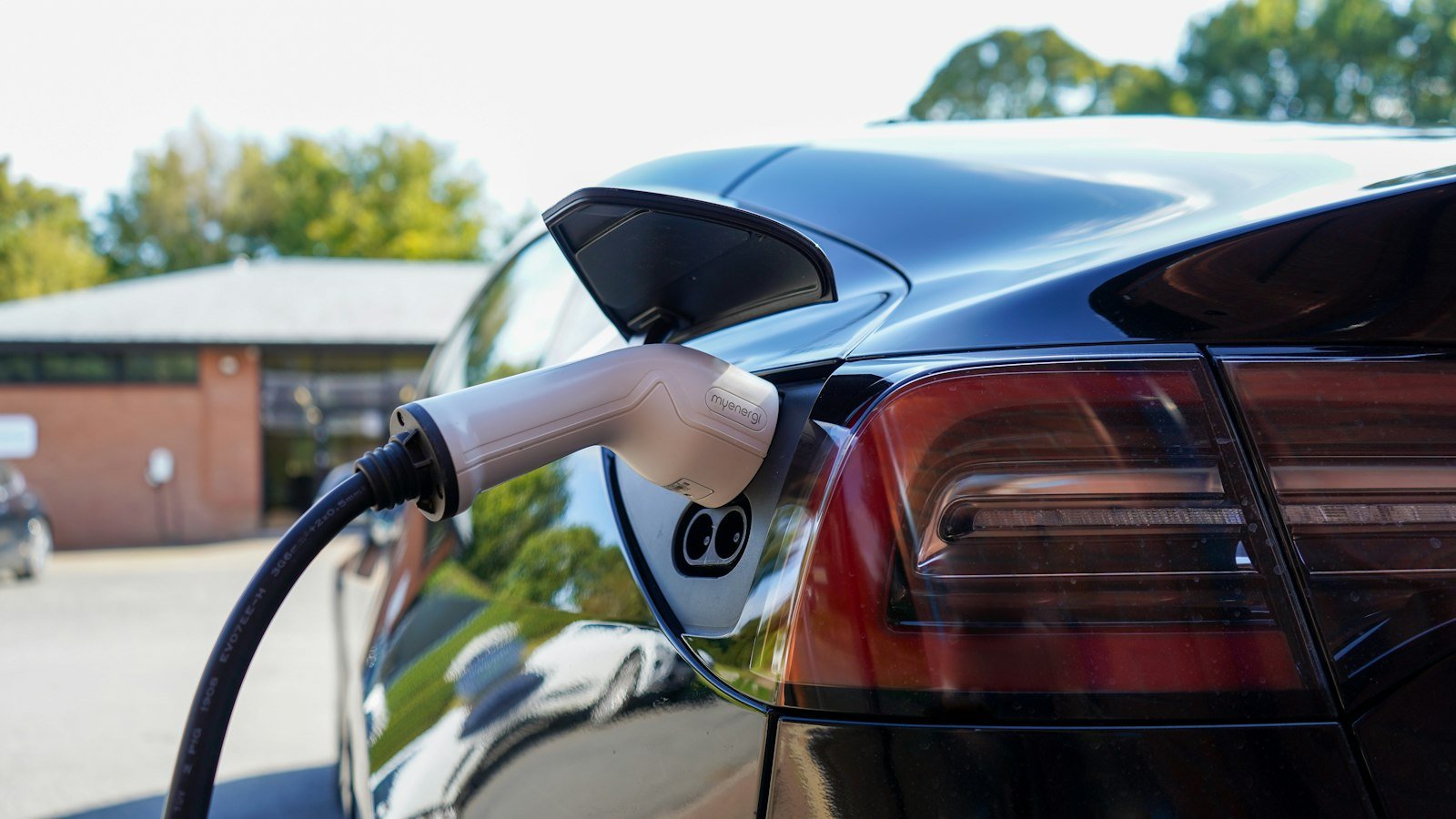
To ship a Tesla, book a licensed auto transporter, charge the battery to a moderate level (many carriers ask for about 30–50%), turn off Sentry Mode and other always-on features, and hand the driver a key card, since your phone key won't work for them. Teslas ship on the same open or enclosed carriers as gas cars, usually for about $500–$1,900 open or $800–$2,900 enclosed, with transit of 1–3 days for short trips and 7–10 days coast to coast.
Key takeaways
- Teslas are shipped the same way as other cars, but they need EV-specific prep: charge level, Sentry Mode, key cards and Transport Mode.
- Give the driver at least one key card or key fob. Phone keys are tied to your phone, not the car.
- Know how to turn on Transport Mode so the car can roll freely if it needs to be winched.
- Drivers should secure a Tesla by the wheels with soft straps, never by chaining under the battery pack.
- Enclosed transport is worth considering for Model S Plaid, new deliveries, custom wraps and Cybertruck's stainless body.
Why people ship Teslas
There are plenty of reasons to put a Tesla on a truck instead of driving it.
- Buying from another state. Used Teslas are often cheaper or easier to find in certain markets. Many buyers also find the exact new car they want in inventory far from home.
- Moving. Driving cross-country in an EV means planning around Superchargers and adding hours of charging. Shipping lets you fly and skip all of that.
- Seasonal homes. Snowbirds often keep their Tesla in Florida or Arizona for the winter.
- Selling. Sending a car to a buyer in another state is easier than driving it there and flying home.
- Protecting value. Shipping keeps miles off the odometer and spares the battery thousands of miles of use.
Our electric vehicle shipping page covers EVs from every brand. This guide focuses on Tesla-specific steps.
How much does it cost to ship a Tesla?
Tesla shipping prices follow the same rules as any car: distance, route demand, vehicle size and weight, transport type and season. Teslas are heavier than many gas cars of the same size because of the battery, and the larger models take more trailer space. The table below gives approximate curb weights and how they tend to affect your quote. Weights vary by trim and year.
| Model | Approximate weight | Pricing notes |
|---|---|---|
| Model 3 | Roughly 3,600–4,100 lb | Priced like a standard midsize sedan |
| Model Y | Roughly 4,200–4,400 lb | Priced like a small or midsize SUV |
| Model S | Roughly 4,500–4,800 lb | Large sedan; enclosed is popular for Plaid |
| Model X | Roughly 5,100–5,400 lb | Full-size SUV; may cost a bit more |
| Cybertruck | Over 6,000 lb | Long, wide and heavy; usually priced like a full-size pickup or higher |
Typical price ranges are about $500–$1,900 for open transport and $800–$2,900 for enclosed. Use our car shipping cost calculator for an estimate on your route. If you get a lower written quote elsewhere, CTS's Best Price Guarantee means we will match or beat it.
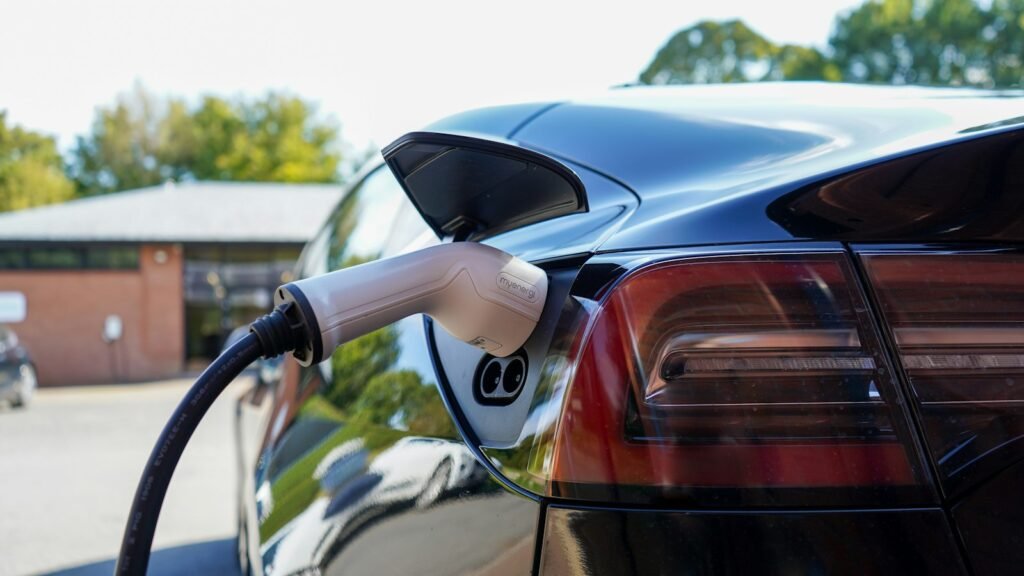
Open or enclosed transport for a Tesla?
Open transport
Open car shipping is how most new cars reach dealers, and it is a safe, affordable choice for most Model 3 and Model Y owners. Your car rides on an open trailer and is exposed to weather and road dust, much like driving it.
Enclosed transport
Enclosed car shipping keeps the car inside a covered trailer. Consider it if:
- You are shipping a Model S Plaid or another high-value trim.
- The car has paint protection film, a custom wrap or ceramic coating you want to keep flawless.
- It is a brand-new car you want to arrive with zero miles of road grime.
- It is a Cybertruck, whose unpainted stainless body shows marks and fingerprints easily.
- The route passes through snow and road salt in winter.
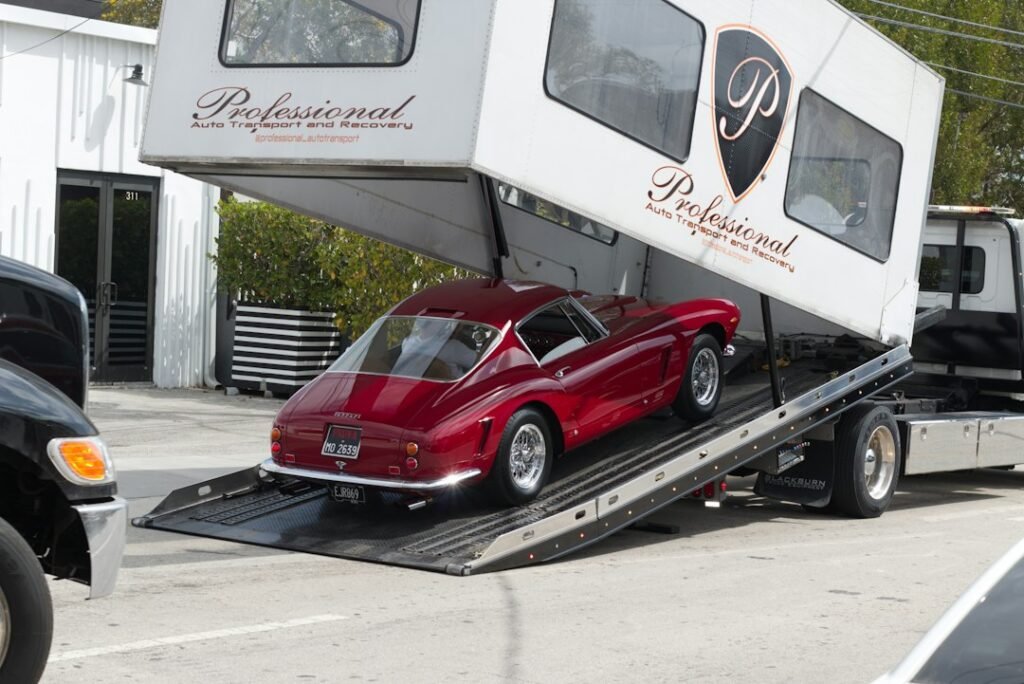
Enclosed carriers also often use liftgates instead of steep ramps, which helps with low front ends.
How to prepare your Tesla for shipping: step-by-step
Do these steps a day or two before pickup. Settings names and menus can change with software updates, so check your owner's manual or the car's touchscreen if something looks different.
1. Set the right charge level
The driver needs enough charge to drive the car on and off the trailer and possibly move it a few times during the trip. At the same time, carriers often prefer EVs not to be fully charged. Many ask for about 30–50%. Do not ship the car nearly empty. A Tesla slowly uses energy while it sits, and a deeply drained battery can leave the car unable to unlock or move at delivery.
2. Turn off Sentry Mode
Sentry Mode uses the cameras to watch the car and can use a noticeable amount of energy every day. On a moving truck, it can also trigger alerts constantly. Turn it off before pickup.
3. Turn off Cabin Overheat Protection and climate features
These features can run the air conditioning on hot days and drain the battery. Turn them off, along with any scheduled preconditioning or scheduled departure settings.
4. Give the driver a key card or key fob
Your phone key works only with your phone. The driver needs a physical key card or key fob. Keep at least one card or fob for yourself and hand over another. If you only have two cards, consider ordering a spare before you ship.
5. Learn how to turn on Transport Mode
Tesla's Transport Mode (found in the service or towing menu on most models) keeps the parking brake released so the car can roll freely. This is useful if the car will not power on and needs to be winched onto the trailer. It requires 12V power to work. Tesla's guidance is that the car should be moved by flatbed or carrier, not towed with its wheels on the ground. Show the driver where Transport Mode is, or let your coordinator know if the car might need to be winched.
6. Consider ride height and Jack Mode
On models with adjustable air suspension, raising the ride height can make loading over a ramp easier. Some owners also turn on Jack Mode, which stops the suspension from self-leveling while the car is strapped down. Check your owner's manual and discuss it with the driver.
7. Clean and document the car
Wash the car and take date-stamped photos of every side, the glass roof, the wheels and the interior. Note the battery percentage and odometer reading in a photo too.
8. Remove personal items and accessories
Take out charging cables (including the mobile connector), floor mats you do not want lost, phone mounts, sunshades and toll tags. Remove roof racks and bike racks if you can. Keep the mobile charger with you so you can charge at your destination.
Pickup day: what to tell the driver
Most car haulers move EVs all the time, but a short conversation helps everything go smoothly.
- Tie-down points: The battery pack runs under the car. Ask the driver to secure it by the wheels with soft straps or wheel nets, not chains around the underbody.
- How to shift into Drive: Show the driver how to put the car in gear with the key card on the console, if they are new to your model.
- Doors and handles: Point out how the handles work. Model X Falcon Wing doors need clearance overhead, so tell the driver if you prefer they stay closed on the trailer.
- Low front: On the Model 3 and Model S, mention the low front bumper so the driver can use ramp extensions if needed.
- Inspection: Walk around the car together and make sure any existing marks are noted on the Bill of Lading. Pay attention to the glass roof and wheels.
Delivery: inspection and first charge
At delivery, inspect the car before you sign. Compare it with your photos, and check the glass roof, the wheels, the bumpers and the charge port door. Start the car, make sure no new warnings are showing, and note the odometer. If you see any new damage, write it on the Bill of Lading and photograph it right away.
Then turn your settings back on. Sign back in with your phone key, turn Sentry Mode back on if you use it, and plan a charge. If the car sat for a while, it may be lower than when you shipped it, which is normal.
Special cases
Cybertruck
Cybertruck is long, wide and heavy, and its stainless steel body can show scratches and smudges. Carriers may need to place it in a specific spot on the trailer. Expect a higher price than a sedan, and consider enclosed transport. Our truck shipping page explains how large pickups are priced.
A Tesla that won't power on
If the 12V battery or main battery is dead, the car may not unlock or release its parking brake. Tell your coordinator before booking. An inoperable vehicle needs a carrier with a winch, and you may need to jump the 12V system to enter Transport Mode.
Shipping to Hawaii
Shipping a Tesla to Hawaii involves an ocean carrier, and ocean lines often have their own rules about EV charge levels and documents. See Hawaii car shipping for details and confirm the current requirements before you book.
Buying a used Tesla online
If you bought from an online seller or an out-of-state private party, make sure the seller hands over all key cards, the title and any release paperwork. Our online car buyer shipping page explains how to coordinate with sellers.
Tesla shipping checklist
- Charge to about 30–50% (or what your carrier asks).
- Turn off Sentry Mode, Cabin Overheat Protection and scheduled climate.
- Have a key card or fob ready for the driver.
- Know where Transport Mode and Jack Mode are.
- Wash the car and take photos, including battery level and odometer.
- Remove the mobile charger, toll tags and personal items.
- Remind the driver to strap by the wheels, not the underbody.
Frequently asked questions
Can a Tesla be shipped on an open carrier?
Yes. Open carriers move Teslas every day. Enclosed transport is optional, but it is a good choice for high-value trims, custom finishes and Cybertruck.
What charge level should my Tesla have for shipping?
Many carriers ask for about 30–50%. That is enough to move the car on and off the truck without shipping a full battery. Avoid shipping with a very low charge.
Do I need to give the driver my phone?
No. Give the driver a key card or key fob. Keep your phone and at least one other key for yourself.
How long does it take to ship a Tesla?
The same as any car: about 1–3 days for trips under 500 miles and about 7–10 days coast to coast once picked up. Pickup itself usually happens within 1–5 days of booking.
Will shipping affect my Tesla's warranty?
Shipping a car on a carrier does not by itself change your warranty. If you have questions about your specific coverage, check with Tesla.
Ready to move your Tesla? Get a free quote with $0 deposit, 24/7 in-transit updates and the option of enclosed transport for premium models.
Updated November 4, 2026