Car shipping made straightforward.
CTS helps individuals, families, dealerships, businesses, students, military members, collectors, and relocation professionals arrange dependable vehicle transport across the United States. Tell us where the vehicle is, where it needs to go, and when it should move. We will help you understand the practical options before you book.
Auto shipping in motion
From multi-car highway carriers to port-based vehicle transport, these images show several parts of the logistics network used to move vehicles over regional, cross-country, and international routes.
Photo sources: Wikimedia Commons — Windmemories, Arkelin, Mattes, Captainmorlypogi1959, Farid mernissi, and Tvabutzku1234.
A transport option for nearly every type of move
Every vehicle shipment has its own timing, equipment, access, and protection requirements. CTS organizes the details into a practical plan so you can choose service based on the vehicle, route, schedule, and level of protection you actually need.
Open Car Transport
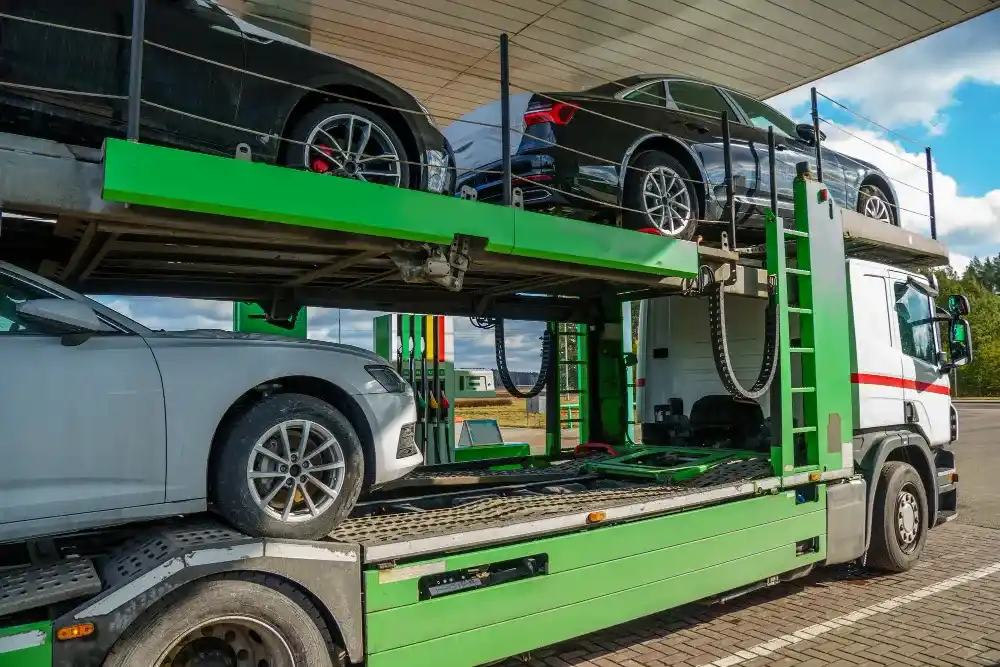
Open transport is the standard method used for most everyday cars, SUVs, pickup trucks, and dealership inventory. Vehicles travel on an open multi-car carrier similar to the trailers commonly seen delivering new vehicles. It usually offers the broadest carrier availability and the most economical price structure for common routes.
The vehicle remains exposed to normal weather and road conditions, but professional carriers use established loading procedures, wheel straps, inspection records, and appropriate equipment. Open transport is a practical choice when the priority is dependable scheduling and reasonable cost rather than maximum environmental protection.
Enclosed Car Transport
Enclosed shipping is designed for classic cars, exotic vehicles, luxury automobiles, restorations, rare models, high-value vehicles, and owners who prefer a higher level of protection. The vehicle travels inside a covered trailer that reduces exposure to weather, airborne debris, and public view.
Some enclosed carriers also offer lift-gate loading, low-angle ramps, soft tie-down systems, and additional interior clearance. Availability is more limited and the service generally costs more than open shipping, but the added protection can be worthwhile for vehicles with low ground clearance, sensitive finishes, or exceptional financial or personal value.
Door-to-Door Coordination
Door-to-door service means the carrier aims to pick up and deliver as close as legally and safely possible to the addresses provided. A large transport truck may not be able to enter narrow residential streets, gated complexes, steep driveways, low-clearance areas, or roads with local truck restrictions.
When direct access is not practical, the driver and customer can agree on a nearby meeting point such as a wide parking lot, shopping centre, business frontage road, or other safe loading area. Good address planning helps reduce delays and protects the vehicle, the carrier, nearby property, and local traffic.
Expedited Pickup
Expedited service is useful when a vehicle must move on a compressed schedule. It may involve a higher price, a more flexible pickup location, a larger date window, or a carrier already travelling near the requested route. The exact solution depends on current capacity and the origin and destination markets.
CTS reviews the factors that matter most and explains where flexibility may improve the chance of a prompt pickup. Urgent transport is never just about choosing the fastest label; it requires realistic coordination between the customer, dispatch team, carrier, driver hours, traffic, equipment, and delivery access.
Motorcycle Shipping
Motorcycles require different loading and securement procedures from passenger vehicles. Depending on the carrier and route, the motorcycle may travel inside an enclosed trailer, in a dedicated motorcycle rack, on a pallet system, or with specialized straps that protect painted and mechanical surfaces.
Before pickup, remove loose accessories, secure saddlebags, photograph the motorcycle, verify tire pressure, and disclose custom dimensions or modifications. Accurate information about handlebars, fairings, lowered suspension, sidecars, trikes, or oversized touring equipment allows the carrier to confirm space and loading capability in advance.
Business and Dealer Moves
Dealerships, auctions, fleet managers, relocation companies, rental operators, and online vehicle buyers often need repeatable coordination rather than a one-time shipment. CTS can organize single units, small groups, or recurring lanes while keeping pickup contacts, release procedures, gate hours, condition notes, and delivery requirements in one workflow.
For business transport, accuracy is especially important. Vehicle identification numbers, stock numbers, buyer numbers, lot locations, keys, operating condition, and release documents should be verified before dispatch. Clear documentation reduces missed pickups and helps each party understand who is responsible for access and authorization.
Four clear stages from quote to delivery
Vehicle shipping becomes easier when each stage has a defined purpose. The CTS process focuses on accurate information, realistic scheduling, written confirmation, and communication around the moments that matter most.
Share the shipment details
Provide the pickup and delivery locations, vehicle year, make and model, operating condition, earliest available date, preferred transport method, and any access restrictions. Exact ZIP codes are more useful than state names because carrier routes, mileage, tolls, urban congestion, islands, mountain roads, and remote locations can change the practical plan.
Tell us about modifications such as oversized tires, roof racks, lowered suspension, lift kits, nonfactory dimensions, loose parts, alarm problems, weak batteries, or fluid leaks. Details that seem minor can affect loading, trailer space, equipment selection, and carrier acceptance.
Review the service options
CTS evaluates the route, timing, transport type, vehicle profile, and current market conditions. You receive an explanation of the likely pickup process, price considerations, estimated transit range, payment structure, and responsibilities at origin and destination.
The goal is not to hide every variable behind a single number. A useful quote explains what assumptions support the estimate and what could cause the plan to change, such as an inoperable vehicle, restricted access, a last-minute date, unusual size, seasonal demand, severe weather, or an address outside an active carrier lane.
Confirm the carrier and pickup
Once a carrier is matched, review the pickup details, driver contact information, estimated arrival window, payment instructions, insurance documentation, and any remaining preparation steps. Pickup windows are usually ranges rather than appointments because drivers must account for prior stops, traffic, loading time, inspections, road closures, weather, and federal driving limits.
Keep your phone available as the pickup window approaches. The driver may need directions, gate instructions, a safe meeting location, or confirmation that the vehicle and keys are ready. A prompt response helps the carrier stay on schedule.
Inspect, receive, and complete delivery
At pickup, the driver and responsible party inspect the vehicle and record its visible condition on the bill of lading. Take your own dated photos from multiple angles, including the roof, bumpers, wheels, glass, and interior if relevant. Keep a copy of the signed inspection document.
At delivery, inspect the vehicle before the carrier leaves and compare its condition with the pickup record. Note any new issue on the delivery paperwork before signing. Complete the agreed payment method, collect the keys and documents, and contact CTS promptly if anything requires follow-up.
Everyday transportation, specialty vehicles, and everything between
Standard vehicle information is often enough to begin a quote, but specialty units need more detailed review. The best transport plan considers measurements, weight, ground clearance, modifications, value, operating condition, loading environment, and the equipment available on the requested route.
What affects the price of vehicle transport?
No single rate applies to every shipment. Auto transport pricing is shaped by route conditions, timing, equipment, vehicle size, and the balance between available carriers and customer demand. Understanding those variables makes it easier to compare quotes responsibly.
Distance and route activity
Longer shipments generally cost more overall, although the rate per mile may decline on major cross-country routes. Pickup and delivery locations near active interstate lanes are often easier to service than remote areas requiring significant empty driving. Ferries, ports, mountain passes, islands, toll-heavy corridors, seasonal roads, and dense city centres may also influence cost and timing.
Vehicle size and condition
A large truck or SUV occupies more trailer space and may add weight compared with a compact car. Inoperable vehicles can require a winch or other loading equipment. Modified vehicles may need special ramps, added clearance, or a different trailer position. Accurate dimensions and operating information help avoid price changes at pickup.
Timing and flexibility
A broad pickup window gives dispatch more opportunity to match a suitable carrier. A narrow or urgent schedule can require a higher offer to attract capacity. Holidays, snowbird seasons, college moves, auctions, severe weather, major events, and regional imbalances can temporarily increase demand on specific lanes.
Open or enclosed trailer
Open transport is usually less expensive because more carriers operate open equipment and each trailer can carry multiple vehicles efficiently. Enclosed transport offers greater protection but uses specialized equipment with lower capacity and less frequent availability. The value of enclosed service depends on the vehicle and the owner’s protection priorities.
Pickup and delivery access
Carriers need enough space to stop, load, turn, and leave safely. Rural addresses, restricted neighbourhoods, apartment complexes, storage facilities, dealerships, auctions, ports, and downtown locations may involve special hours or meeting points. Easy access can simplify the route; difficult access may add time or require alternate arrangements.
Fuel and market capacity
Fuel costs, available truck space, driver location, return-load opportunities, and regional demand affect the offers carriers are willing to accept. Auto transport is a live logistics market. A responsible estimate should reflect the current lane rather than rely on an old flat rate that ignores real capacity.
| Feature | Open Transport | Enclosed Transport |
|---|---|---|
| Best for | Daily drivers, standard vehicles, common routes | Classics, luxury, exotic, rare, or sensitive vehicles |
| Protection | Standard secure transport with exposure to weather and road environment | Covered trailer with reduced exposure and added privacy |
| Availability | Broad availability on many routes | More limited specialized capacity |
| Typical cost | Usually the more economical choice | Usually higher due to equipment and lower trailer capacity |
| Loading equipment | Standard ramps and carrier securement systems | May include lift gates, low-angle ramps, and specialized tie-downs |
Local, regional, and cross-country car shipping
CTS can coordinate vehicle moves between major metropolitan areas, smaller cities, suburbs, rural communities, dealerships, auctions, ports, storage facilities, residences, and business locations. These examples show common lane types rather than a complete service list.
Cross-country vehicle shipping
Cross-country transport is commonly used for relocation, online vehicle purchases, seasonal moves, military transfers, college transportation, dealership inventory, family vehicle transfers, and long-distance job changes. The carrier may complete several pickups and deliveries along the route, so transit time is normally provided as an estimate rather than a guaranteed hour or date.
Customers can help the process by choosing a realistic first available pickup date, identifying any deadline at the destination, keeping contact information current, and arranging an authorized person at both ends when needed. A flexible handoff plan is especially useful when moving schedules, closing dates, flights, and temporary housing do not align perfectly with the carrier’s route.
Short-distance and regional transport
A shorter route is not always a same-day shipment. The carrier still needs compatible equipment, legal driving time, efficient loading order, and enough revenue to justify the movement. Regional service may be completed by a smaller carrier, a multi-car hauler, a dedicated truck, or a driver connecting the shipment with other nearby vehicles.
For short moves, address access can matter as much as mileage. Urban congestion, restricted loading zones, auction release windows, dealership receiving hours, bridge limits, tolls, and rural detours may shape the pickup and delivery plan. Clear location details help CTS recommend an efficient meeting point before the driver arrives.
Seasonal and snowbird transport
Seasonal demand often increases on routes connecting colder northern states with Florida, Arizona, Texas, California, and other warmer destinations. Many vehicles move in the same direction during a limited period, which can affect availability and price. The return season may create a similar imbalance in the opposite direction.
Booking early, providing a wider date range, and considering nearby pickup or delivery locations can improve flexibility during these busy periods. Customers should also coordinate vehicle access carefully when homes are vacant, gated communities have limited hours, or a friend, relative, concierge, or property manager will release the vehicle on their behalf.
A simple checklist before the carrier arrives
Preparation protects the schedule, supports an accurate condition report, and helps the driver load the vehicle safely. Complete these steps before pickup unless CTS or the assigned carrier gives different written instructions.
Clean, inspect, and photograph
Wash the exterior enough to make existing marks visible. Take clear, dated photographs in good light from the front, rear, both sides, each corner, the roof, the glass, the wheels, and any area with prior damage. Photograph the odometer and dashboard as well. Keep the images until the delivery inspection is complete.
Remove removable exterior accessories and secure anything that could loosen in transit. Retract or remove antennas when possible. Fold mirrors, close convertible tops, disable automatic toll devices, and confirm that windows, doors, the trunk, and the hood close correctly.
Check basic operating condition
Leave enough fuel for loading and unloading, commonly around one-quarter tank unless instructed otherwise. Check the battery, tires, fluid levels, brakes, and obvious leaks. A vehicle that cannot start, steer, roll, or brake must be disclosed before dispatch because the carrier may need a winch or different equipment.
Turn off alarms and provide instructions for unusual starting procedures, immobilizers, air suspension, battery disconnects, manual releases, or aftermarket security systems. Give the driver one working key for the ignition, doors, and any locked compartments needed for transport.
Remove valuables and personal property
Remove cash, documents, jewellery, electronics, medications, fragile items, firearms, prohibited materials, household goods, and irreplaceable belongings. Auto carriers are hired to move the vehicle, and personal property is generally not part of the carrier’s cargo coverage. Additional weight can also affect equipment limits and regulatory compliance.
When a carrier permits limited personal items, obtain the conditions in writing. Keep them light, secure them below the window line, and avoid anything that could shift, break, leak, block visibility, or damage the interior. Never use the vehicle as a substitute for a household moving shipment.
Confirm people, places, and paperwork
Verify the exact addresses, contact names, phone numbers, business hours, gate codes, auction or dealership release requirements, and payment method. Make sure an adult is available to sign the inspection report at pickup and delivery unless another arrangement has been approved.
Tell CTS about narrow roads, steep grades, low branches, parking restrictions, apartment rules, gated access, loading docks, storage procedures, port requirements, or other conditions that could limit a large truck. Agree on a practical meeting point before the carrier reaches the area.
Useful communication instead of vague promises
Good vehicle transport is built on accurate expectations. CTS focuses on the details that affect the real shipment, from the first quote conversation through the final inspection.
Clear explanation of the plan
Customers should understand the transport method, estimated pickup window, delivery process, payment structure, preparation requirements, and factors that may change the schedule. CTS presents those items in direct language so the customer can make an informed decision.
Vehicle-specific coordination
A low sports car, lifted truck, inoperable SUV, classic restoration, motorcycle, and daily commuter do not have identical loading needs. CTS gathers the details needed to match the shipment with appropriate carrier equipment.
Practical access planning
Door-to-door service depends on safe legal access. CTS helps customers consider truck size, street width, traffic, parking, gates, local restrictions, and alternate meeting points before those issues create a last-minute delay.
Support around key milestones
The most important moments are carrier confirmation, pickup scheduling, vehicle inspection, in-transit communication, delivery coordination, and final condition review. CTS keeps the customer focused on those steps rather than overwhelming them with unnecessary logistics jargon.
What a realistic pickup window means
A pickup window is a range during which the vehicle is available to the carrier. It is different from a guaranteed appointment. Drivers operate moving routes that change as prior vehicles are loaded and delivered. Traffic, weather, mechanical issues, customer delays, inspections, construction, road closures, and regulated driving hours can affect arrival.
CTS encourages customers to avoid scheduling a flight, closing, move-out, or work commitment too close to the expected pickup. A trusted representative can release the vehicle when the owner cannot be present. The representative should have the keys, necessary authorization, payment information, and the ability to inspect and sign the bill of lading.
How transit estimates should be used
Transit time begins after the vehicle is picked up, not when the order is placed. The estimate reflects typical route conditions, not a promise that no delay will occur. A multi-car carrier may make several stops, and the driver must follow legal hours-of-service requirements. Delivery timing can also change if customers at earlier stops are unavailable or if safe unloading space is temporarily blocked.
Use the estimate to plan a reasonable range and keep a backup transportation option at the destination when timing is critical. As the driver gets closer, communication usually becomes more precise. Confirm delivery access, payment readiness, and who will meet the carrier.
Insurance and inspection basics
Ask for the assigned carrier’s current insurance information and review the applicable coverage, exclusions, deductibles, and claim procedures. Coverage terms vary by policy and carrier. Personal belongings, pre-existing damage, mechanical failure, loose parts, leaking fluids, and damage not recorded at delivery may be excluded or difficult to document.
The bill of lading is a central transport document. It records the vehicle condition, pickup and delivery acknowledgements, and other shipment details. Do not treat it as a formality. Review it carefully, compare it with your photographs, and write any new visible damage on the delivery document before signing. Prompt documentation gives all parties a clearer basis for review.
CTS partners with Niki Auto Transport
For additional nationwide vehicle-shipping resources, route information, open and enclosed transport guidance, and car-shipping support, visit our transportation partner, Niki Auto Transport.
Nationwide vehicle-shipping partner
Helpful answers before you book
These general answers explain common practices. Your written order terms and the assigned carrier’s requirements should control the specific shipment.
How far in advance should I book car transport?
Many customers begin planning one to three weeks before the vehicle is available. More notice can improve flexibility, especially for enclosed trailers, rural areas, oversized vehicles, seasonal routes, and narrow pickup windows. Expedited options may be available for urgent moves, but capacity and price depend on the live route.
Can I choose an exact pickup date?
You can request a date, but most standard vehicle shipping uses a pickup window. An exact-date or dedicated service may require additional cost and is still subject to safety, weather, access, and legal driving limits. Tell CTS about any immovable deadline before booking so the options can be discussed clearly.
How long does car shipping take?
Transit depends on distance, route, carrier schedule, traffic, weather, stops, and delivery access. A short regional move may take a few days, while a cross-country shipment may take approximately one to two weeks after pickup. These are general ranges, not guarantees.
Can I put personal items in the vehicle?
Carrier policies differ. Some may permit a small amount of light personal property stored securely below the window line, while others do not. Personal goods are normally outside the carrier’s vehicle cargo coverage. Remove valuables, documents, prohibited materials, fragile items, and anything that could shift or leak.
Does the vehicle need to run?
No, but inoperable condition must be disclosed before dispatch. The vehicle should roll, steer, and brake unless the carrier approves another arrangement. A winch-equipped trailer or specialized loading method may be required, which can affect price and carrier availability.
What is the difference between open and enclosed transport?
Open transport is the standard, widely available, and usually more economical method. Enclosed transport shields the vehicle from most weather, road debris, and public view. Enclosed service is often selected for classics, luxury vehicles, exotic cars, restorations, rare models, and vehicles with low ground clearance.
Will the carrier come to my exact address?
The driver will aim to get as close as safely and legally possible. Large carriers may be unable to enter narrow streets, cul-de-sacs, gated communities, steep roads, low-clearance areas, or locations with truck restrictions. In that case, you and the driver can meet at a nearby safe location.
How should I pay for vehicle transport?
Payment structures vary. Some orders use an initial amount when the carrier is confirmed and a remaining balance at delivery; others use different arrangements. Review the accepted methods, due dates, cancellation terms, and receipt process in writing before pickup.
What happens if the driver is delayed?
The driver or dispatch team should provide an update when practical. Delays may result from weather, traffic, prior customers, inspections, mechanical issues, road closures, or legal driving limits. Keep your schedule flexible and maintain a backup plan when the vehicle is needed immediately after arrival.
What should I do if I notice damage at delivery?
Inspect the vehicle before the carrier leaves. Compare the condition with pickup photos and the original bill of lading. Record any new visible damage clearly on the delivery paperwork, obtain the driver’s acknowledgement, take detailed photos, keep copies of all documents, and contact CTS and the carrier promptly for claim instructions.
Can someone else release or receive my vehicle?
Yes, an authorized adult can often act on your behalf. Give CTS and the carrier the person’s name and contact information. They should have the keys, required authorization, payment details, and enough information to inspect the vehicle and sign the bill of lading.
Do modified vehicles require special arrangements?
They often do. Disclose lift kits, oversized tires, lowered suspension, body kits, roof equipment, nonfactory dimensions, heavy accessories, or other changes. The carrier needs accurate measurements and ground-clearance information to confirm trailer space and loading capability.
Ask a transport question
Send your question, route, vehicle information, or preferred pickup date. The message will be delivered to our quote inbox.
Call: 818-800-4443 Email: nikiautotransport@gmail.com 123 Main Street, New YorkSend an email request
Ready to plan your vehicle shipment?
Share the route, vehicle, preferred date, and transport type. CTS will help you understand the practical next step without making the process more complicated than it needs to be.