
For most owners, an open carrier is the best value way to ship a motorcycle, an enclosed carrier is the best choice for valuable or show-quality bikes, and a crate only makes sense for freight, factory or overseas-style shipping where the bike will be handled by forklifts. The right pick depends on your bike's value, how far it is going, and how much handling it will face along the way. This comparison lays out the real differences so you can choose with confidence.
Key takeaways
- Open carrier: lowest cost, fastest scheduling, exposed to weather and road grit.
- Enclosed carrier: full cover from weather and debris, more careful handling, higher price.
- Crate: strong protection during handling, but adds crating costs, prep time and often freight-terminal pickup.
- For a typical door-to-door move inside the U.S., a carrier (open or enclosed) is almost always simpler than crating.
- Choose by value and risk: the more a scratch would cost you, the more enclosed transport makes sense.
The three methods at a glance
All three methods get your bike from point A to point B. What changes is how it is held, what it is exposed to, and how many times it is touched by equipment.
| Factor | Open carrier | Enclosed carrier | Crate |
|---|---|---|---|
| How the bike rides | Wheel chock + soft straps on an open deck | Wheel chock + soft straps inside a covered trailer | Bolted or strapped to a base inside a wood or metal frame |
| Weather and debris | Exposed | Fully covered | Partly to fully covered, depending on the crate |
| Relative cost | Lowest | Higher than open | Shipping cost plus crate purchase or rental and labor |
| Prep work | Light | Light | Heavy: partial disassembly is common |
| Door-to-door | Yes, in most cases | Yes, in most cases | Often terminal-to-terminal |
| Scheduling | Most trucks available, fastest | Fewer trucks, may take a bit longer | Depends on crate timing and freight schedules |
| Best for | Daily riders, commuters, most cruisers and sport bikes | Customs, vintage, rare and high-value bikes | New bikes from the factory, freight moves, ocean cargo needs |
If you are newer to shipping and want the full owner's walkthrough, including prep and delivery day, read our complete motorcycle shipping guide. This article focuses only on choosing the method.
Open carrier shipping for motorcycles
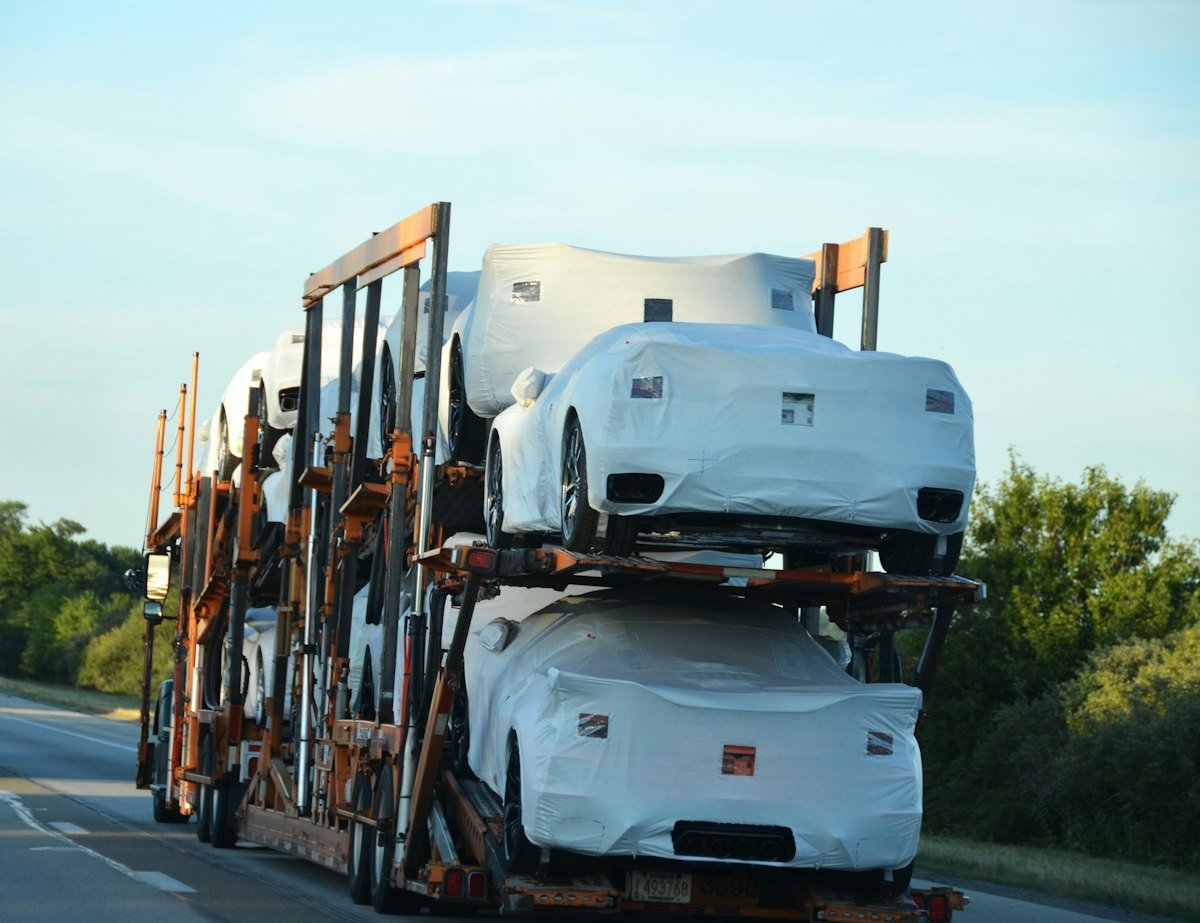
Open carriers are the same multi-level trailers you see hauling cars on the highway. Many have motorcycle spots with built-in wheel chocks and tie-down points. Some smaller trailers are set up just for bikes.
How the bike is secured
The driver rolls the front wheel into a chock that holds it upright. Soft-tie loops go around solid frame points or the lower triple clamp, and ratchet straps pull the bike down slightly into its suspension. That small amount of compression keeps the bike from bouncing.
Pros
- The lowest price of the three methods.
- The most trucks on the road, so pickup is usually quicker.
- No disassembly. You hand over the bike as is.
- Door-to-door service in most areas.
Cons
- Rain, dust, sun and bugs reach the bike.
- Small road debris can chip paint, though serious damage is uncommon.
- Not ideal for show finishes, bare metal, or delicate custom parts.
Open transport is the right call for most riders. It is how the majority of vehicles in the country are shipped every day. Learn more on our open car shipping page.
Enclosed carrier shipping for motorcycles
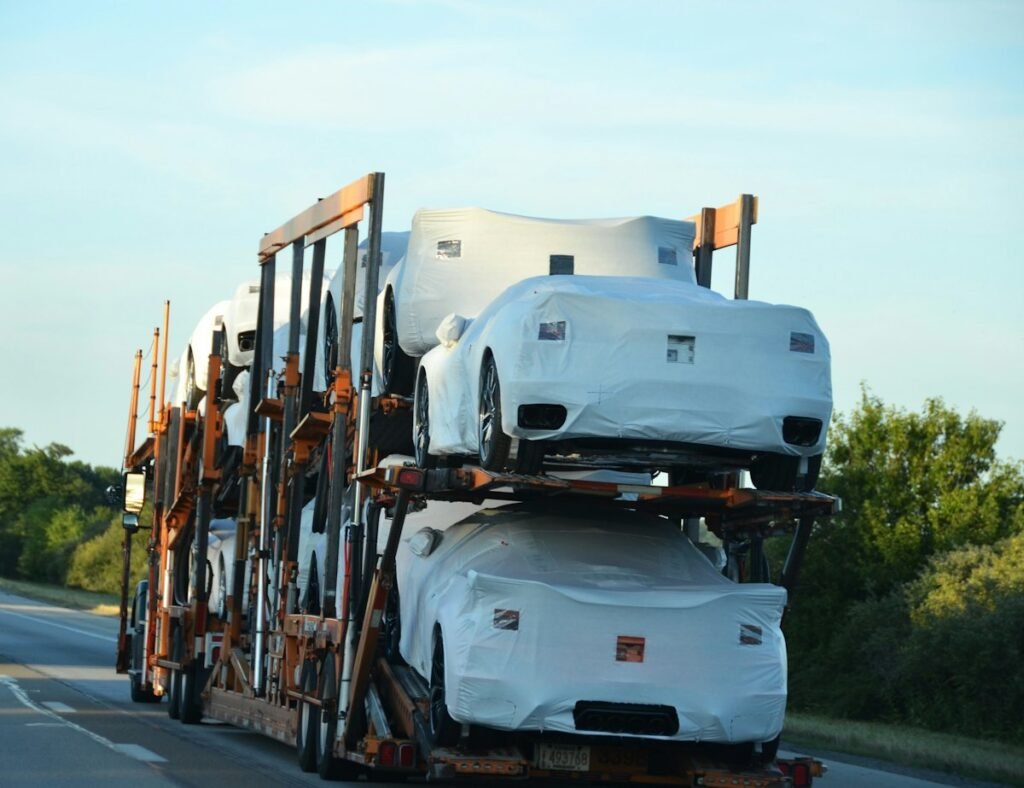
Enclosed carriers are trailers with hard or soft sides and a roof. Inside, the bike is chocked and strapped much like on an open trailer, but it never sees the weather.
Pros
- Full protection from rain, snow, hail, sun and road grit.
- Bikes often load with a liftgate or low-angle ramp, which is easier on low or heavy bikes.
- Drivers who run enclosed trailers often specialize in high-value vehicles.
- Privacy. No one can see what is on the trailer.
Cons
- Higher price than open transport.
- Fewer trucks, so you may wait a bit longer for pickup on less busy routes.
When enclosed is worth it
Think about what one paint chip or a day of road salt would cost to fix. If that cost is a meaningful share of the price difference, enclosed is usually worth it. Good examples include:
- Vintage and antique bikes with original paint.
- Custom builds with show-quality chrome, candy paint or hand-made parts.
- Limited-edition and racing bikes.
- Any bike moving through snow country in winter, where road salt and slush are common.
Read more about covered transport on our enclosed car shipping page, and see classic car shipping for how we handle older, collectible vehicles.
Crated motorcycle shipping
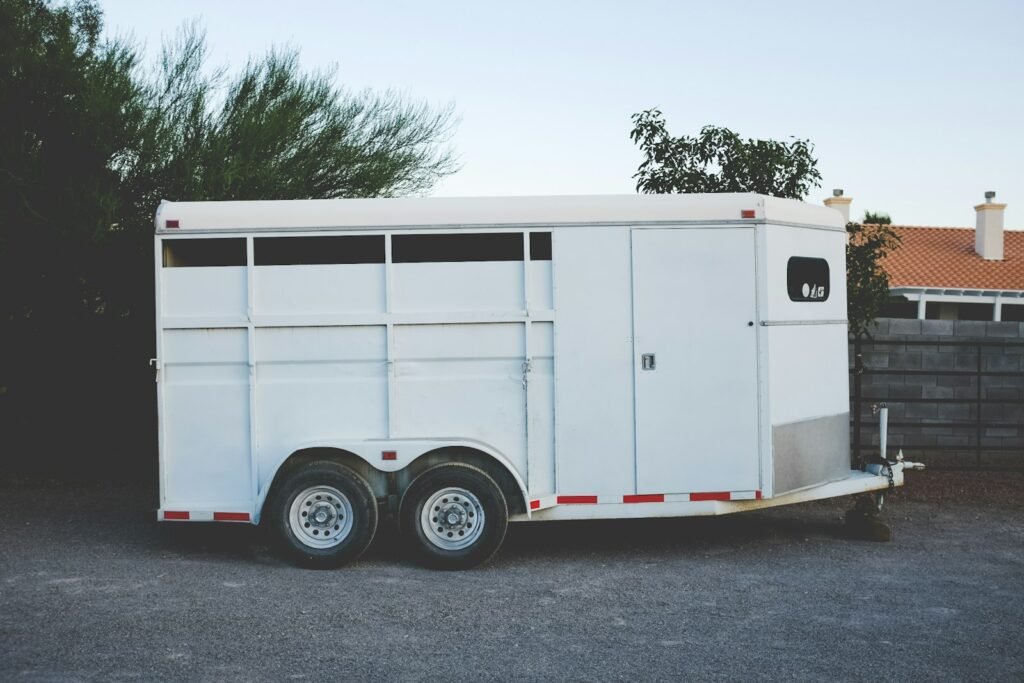
A motorcycle crate is a frame, usually made of wood or steel, that the bike is strapped or bolted into. New motorcycles often leave the factory this way. Freight shippers also use crates because the bike can be moved by forklift with other cargo.
What crating involves
- Getting a crate. You may buy one, rent one, or ask a dealer for a used factory crate.
- Removing parts so the bike fits. This often means the mirrors, windshield, and sometimes the front wheel or handlebars.
- Draining or lowering fuel and sometimes disconnecting the battery, based on the freight company's rules.
- Building or closing the crate and labeling it.
- Delivering it to a freight terminal, or paying for liftgate pickup.
Pros
- Strong protection when the bike will be handled by forklifts or stacked with other freight.
- Works well with freight networks that do not have motorcycle chocks.
- Common choice for long, multi-step journeys with many handoffs.
Cons
- Extra cost for the crate, labor and freight handling.
- Much more prep and reassembly time.
- Usually terminal-based, so you may have to drop off and pick up the bike yourself.
- Damage can be harder to spot until the crate is opened.
For a standard move from one U.S. address to another, crating is usually more work and more money than you need. A carrier with proper motorcycle gear protects the bike well without taking it apart.
Cost comparison: what you really pay
Comparing quotes is not just about the line price. Add up the full cost of each method.
| Cost item | Open | Enclosed | Crate |
|---|---|---|---|
| Transport price | Lowest | Higher | Varies by freight class and weight |
| Crate purchase or rental | None | None | Yes |
| Labor to crate and uncrate | None | None | Your time or a shop's fee |
| Terminal drop-off and pickup | Not usually | Not usually | Common |
| Reassembly | None | None | Often needed |
Distance and route still drive most of the price for carrier shipping. Check your route with the car shipping cost calculator. If you get a lower written quote elsewhere, our Best Price Guarantee lets us match or beat it.
Protection and damage risk compared
Each method protects against different risks. Here is the honest picture.
Weather and debris
Enclosed transport wins. Open transport leaves the bike exposed. A closed crate offers some cover, but slatted crates do not.
Tip-over and strap damage
This depends mostly on the driver's skill and gear, not the method. A trained driver with a good chock and soft ties rarely has trouble. Ask how your bike will be secured.
Handling damage
Crates help most when a bike is moved by forklift and loaded with mixed freight. On a car carrier, the bike is loaded once at pickup and unloaded once at delivery, so handling is limited.
Hidden damage
With a carrier, you can see the bike at both ends and compare it to your photos right away. With a crate, damage may not show until it is opened, which can make claims harder.
Which method should you choose?
Use this quick decision guide:
- Is the bike a regular rider worth less than a typical new car? Choose open transport.
- Would a paint chip or road grime cause real stress or cost? Choose enclosed transport.
- Is the bike vintage, custom or rare? Choose enclosed transport, and ask about higher coverage. Coverage up to $2M is available.
- Will the bike move by freight, sit in a warehouse, or be forklifted with other cargo? A crate makes sense.
- Do you need it there fast? Open has the most trucks. Ask about expedited shipping or a guaranteed delivery date.
Common scenarios
- Moving across the country with your daily rider: open carrier.
- Sending a restored classic to a show: enclosed carrier.
- Buying a bike online from a seller three states away: open carrier, unless the bike is high value.
- Snowbird moving a touring bike south for winter: open is fine for most; enclosed if you want to avoid winter road salt on the way out.
Prep differences by method
How much work you do before pickup depends on the method you choose.
- Open and enclosed carrier: wash the bike, take photos, keep about a quarter tank or less, make sure the battery is charged, and remove loose items. That is usually it.
- Crate: all of the above, plus removing mirrors or the windshield, sometimes the front wheel, protecting the paint with foam or wrap, and following the freight company's rules on fuel and battery.
Plan an extra half day or more for crating and the same again for uncrating and reassembly at the other end.
Questions to ask before you book
- Does the trailer have a proper motorcycle wheel chock?
- Do you use soft ties, and where will the straps go?
- Will the bike load with a ramp or a liftgate?
- What are the cargo insurance limits, and can I see the certificate?
- Is this door-to-door, or will I meet the truck at a nearby lot?
With CTS, there is a $0 deposit to book, 24/7 in-transit updates, and a 100% satisfaction or money-back promise, whichever trailer you choose.
Frequently asked questions
Is open transport safe for motorcycles?
Yes, for most bikes. Open carriers with wheel chocks and soft straps move bikes safely every day. The main trade-off is exposure to weather and road dust, not a higher risk of major damage.
How much more does enclosed motorcycle shipping cost?
It varies by route and season. Enclosed is consistently priced above open because there are fewer trucks and each one holds fewer vehicles. Get both prices on one quote to compare.
Do I need to crate my motorcycle to ship it within the U.S.?
No. For a normal move between two U.S. addresses, a car carrier with motorcycle gear is simpler and usually cheaper. Crates are mainly for freight shipping.
Can a trike or Can-Am Spyder ship on an open carrier?
Usually yes. Three-wheelers are loaded more like small cars. Mention the model when you ask for a quote so the right trailer is assigned.
Which method is fastest?
Open carriers are usually fastest to schedule because there are more of them. Crated freight is often slowest because of crating time and terminal handling.
Not sure which option fits your bike? Get a free quote and compare open and enclosed prices side by side.
Updated November 4, 2026