
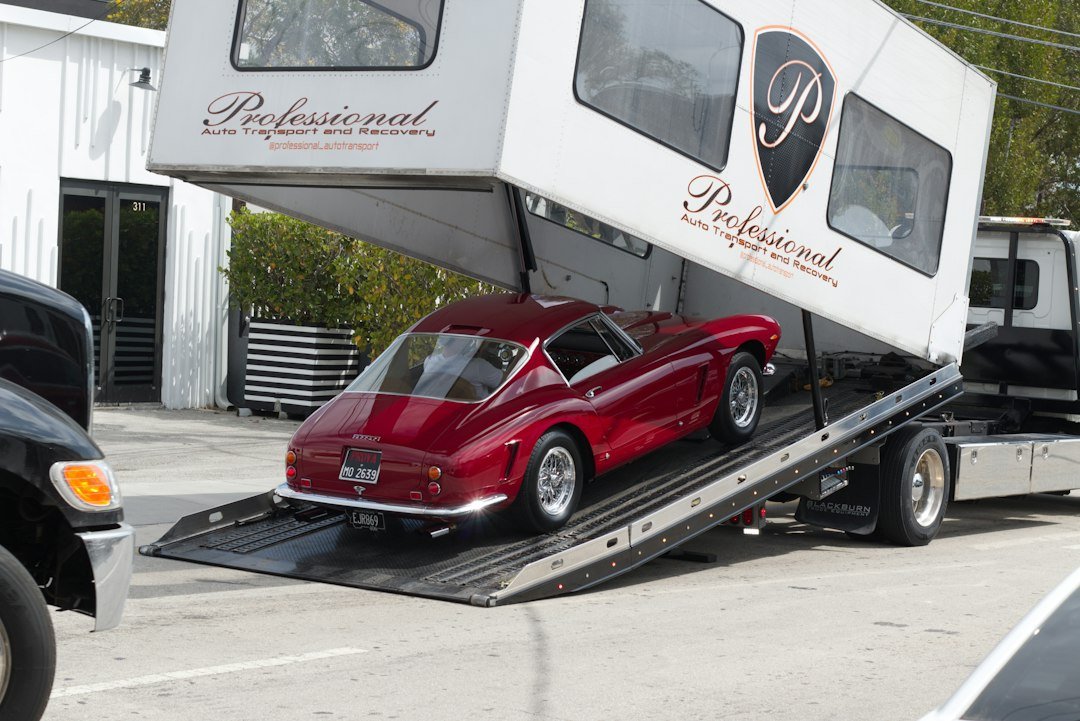
Yes, you can ship a leased car to another state, and in most cases you do not need the leasing company's permission just to put it on a carrier. What you do need is to read your lease for out-of-state and notice rules, keep the required insurance in place, and plan for the paperwork the leasing company controls, like the title and registration in your new state.
Key takeaways
- Shipping a leased car is legal and common; the lessor usually only cares where the car is garaged and registered, not how it gets there.
- Most leases ask you to tell the leasing company when you move the car to a new state, often within about 30 days. Check your contract for the exact rule.
- Shipping saves lease miles. A 2,500-mile drive can burn through a big share of a 10,000- or 12,000-mile yearly allowance.
- The leasing company holds the title, so re-registering in a new state means working with them. Start that request early.
- Hawaii is the exception that needs extra paperwork: ocean carriers typically require a written authorization letter from the lessor before they will load a leased car.
Can you ship a leased car to another state?
Yes. A leased car is owned by the leasing company (the lessor), and you are the lessee who has the right to use it. Shipping the car with a licensed auto transport company does not change who owns it or how it is used. It is simply a way to move it.
Carriers do not need to see your lease. When you book, you sign the bill of lading as the person releasing the car, and the driver inspects and records the car's condition at pickup. That is the same process as for a car you own outright.
Where leased cars differ is everything around the move: the contract terms, insurance minimums, registration and taxes in your new state, and the lease-end return. Get those right and the shipping part is easy. If you are new to auto transport, our guide on how car shipping works walks through the basic steps.
Why lessees ship instead of drive
Leases come with a mileage allowance, often 10,000, 12,000 or 15,000 miles a year. Overage fees commonly run around 15 to 30 cents per mile, depending on the contract. A cross-country drive from New York to Los Angeles is roughly 2,800 miles one way. At 25 cents a mile, that could add up to about $700 in overage charges if you end up over your limit, plus gas, hotels, meals and several days off work.
Wear and tear matters too. Lessors charge for excess wear at turn-in. Highway rock chips, curb rash at rest stops and a few thousand extra miles on the tires all count against you. Shipping keeps the odometer still and the car out of the elements for most of the trip.
Read your lease before you book
Every leasing company writes its own contract, so the most useful thing you can do is pull out your lease and look for a few key sections. They are usually labeled something like "Vehicle Use," "Registration and Titling," "Notices" or "Moving."
What to look for in the contract
- Out-of-state notice: Many leases require you to notify the lessor in writing if the car will be kept in another state for more than a set period, commonly 30 days.
- Prior consent: Some contracts require consent before the car is permanently moved to another state. This is about where it will live, not about the truck ride.
- Out-of-country limits: Many leases limit or bar taking the car outside the U.S. for long periods. That does not affect moves between states.
- Insurance minimums: Leases usually require collision and comprehensive coverage with specific liability limits and a maximum deductible.
- Registration duty: Most leases put the job of keeping the car legally registered on you, even though the lessor owns it.
Call the leasing company
Once you know your move date, call or message the lessor's customer service team. Tell them your new address and the date the car will be garaged there. Ask three questions: Do I need written consent? How do I request the title or registration documents for my new state? Will my monthly payment change because of different taxes? Write down the name of the person you spoke with and the date.
Leased car vs. owned car: what changes when you ship
The pickup, transport and delivery steps are the same. The differences show up in paperwork and approvals. Here is a quick side-by-side.
| Item | Car you own outright | Leased car |
|---|---|---|
| Permission to ship within the U.S. | Not needed | Usually not needed; check lease for notice rules |
| Who holds the title | You | Leasing company |
| New-state registration | You apply with your title | Lessor typically sends the title or paperwork to your new DMV |
| Insurance during transport | Carrier cargo insurance plus your policy | Same, but your lease requires you keep full coverage active |
| Shipping to Hawaii | Title or registration | Lessor authorization letter typically required |
| Sales or use tax on a move | Varies by state | Monthly lease tax may change to your new state's rate |
Insurance: what covers the car in transit
Licensed carriers must carry cargo insurance that covers damage caused by the carrier while your car is in their care. That coverage is primary for transport damage. Your own auto policy stays in force too, and your lease almost certainly requires you to keep it active.
Do not cancel or pause your policy because the car is on a truck. A lapse can put you in breach of the lease, and some lessors receive automatic alerts when coverage drops. Instead, call your insurer to update your garaging address once the car arrives, since rates change by ZIP code.
If you have gap coverage through the lease, it stays in place as long as the lease and your insurance are active. If you drive a higher-value leased car, you can ask about higher cargo limits. Through our carrier network, coverage up to $2M is available for qualifying shipments, which is usually paired with enclosed car shipping.
Registration, title and taxes in your new state
Most states expect new residents to register their vehicles within a set window after moving, often somewhere between 10 and 60 days. The exact deadline depends on the state, so confirm it with your new state's DMV or motor vehicle agency.
How the title handoff typically works
Because the lessor holds the title, your new DMV will usually need either the original title or a lessor-issued document showing ownership. Many leasing companies handle this by mailing the title directly to the new DMV, or by using an electronic title system in states that support it. Either way, it can take a few weeks, so request it as soon as you have your new address.
You will likely also need a power of attorney or authorization form from the lessor that lets you sign registration forms on their behalf. Ask the leasing company what they provide.
Inspections and emissions
Some states require a safety inspection, an emissions test or a VIN verification before registration. California, for example, typically requires a VIN verification for out-of-state vehicles, and several states require emissions testing in certain counties. Check your new state's official DMV site for the steps that apply to you.
Lease tax may change
Leases are usually taxed monthly based on where the car is garaged. When you move, the lessor may adjust your payment up or down to match your new state's tax rules. Some states tax the whole lease up front instead. Ask the lessor what to expect so a new payment amount is not a surprise.
How much does it cost to ship a leased car?
The lease itself does not change the price. Carriers price by distance, route, vehicle size, season and transport type. Typical ranges look like this, and actual prices vary:
| Distance | Open carrier (typical) | Enclosed carrier (typical) | Transit time |
|---|---|---|---|
| Under 500 miles | $500–$850 | $800–$1,300 | 1–3 days |
| 500–1,500 miles | $800–$1,300 | $1,200–$2,000 | 3–6 days |
| Coast to coast | $1,200–$1,900 | $1,800–$2,900 | 7–10 days |
For a quick estimate on your route, try the car shipping cost calculator. Most leased cars are late-model daily drivers, and open car shipping is the usual, budget-friendly choice. If you lease a luxury model and want to avoid road chips before turn-in, enclosed is worth pricing.
CTS charges a $0 deposit to book, and our Best Price Guarantee means we will match or beat a lower written quote. Compare that to the cost of overage miles, fuel and time off, and shipping often comes out close to even or ahead.

Step-by-step checklist for shipping a leased car
- Read your lease for out-of-state notice, consent and insurance rules.
- Contact the lessor with your new address and move date. Ask about title transfer and tax changes.
- Get quotes and book with a licensed broker or carrier. Pick open or enclosed transport.
- Confirm insurance is active and meets your lease minimums.
- Prep the car: wash it, remove personal items and toll tags, leave about a quarter tank of fuel. Our vehicle shipping checklist covers the details.
- Photograph everything at pickup, including the odometer, so you have a record for the transport and for lease turn-in later.
- Inspect at delivery with the driver and note any new damage on the bill of lading before you sign.
- Register the car in your new state within the deadline, using the documents from your lessor.
- Update your insurance with the new garaging address.
Special cases
Shipping a leased car to Hawaii
Ocean carriers that serve Hawaii typically require proof that the owner allows the car to leave the mainland. For a leased car, that usually means a signed authorization letter from the leasing company, along with your registration and ID. Some lessors take a week or more to issue it, so ask early. Our Hawaii car shipping page explains the port process.
Returning a leased car in another state
If your lease is ending, you can usually return the car to any authorized dealer for that brand, not just the one where you leased it. If you would rather not drive it there, a carrier can deliver it to the dealer. Confirm with the lessor and the dealer that they will accept the return before you book.
Lease transfers and buyouts
If you are taking over someone else's lease in another state, or buying out your lease and selling to an out-of-state buyer, the car may need to ship before or after the paperwork closes. Ask the lessor which address the title will go to and when, so the car and paperwork arrive in the same place.
Moving for work or the military
Relocating for a job? See our guide to state-to-state car shipping for timing tips. Service members on PCS orders should check the lease for military clauses and see our military car shipping page.
Frequently asked questions
Do I need permission from the leasing company to ship my car?
Usually not for the transport itself within the U.S. Most leases do ask you to notify the lessor when the car moves to a new state, and some require consent for a permanent move. Read your contract and contact the lessor to be safe.
Will shipping my leased car add miles?
Only a few miles from driving it on and off the trailer and any short moves in a lot. The long-distance miles are on the truck, not your odometer. That is one of the main reasons lessees choose shipping.
Who signs for the car at pickup and delivery?
You, or an adult you choose, can release and receive the car. The carrier does not need the leasing company to be present.
Does my insurance cover a leased car during shipping?
The carrier's cargo insurance covers damage the carrier causes during transport. Keep your own policy active the whole time, since your lease requires it and it protects you from other risks.
Can I ship a leased car to Hawaii?
Yes, but ocean carriers typically require a written authorization letter from the leasing company. Request it a few weeks before your port drop-off date.
Ready to move your leased car without adding miles? Get a free quote in minutes, with $0 deposit and 24/7 updates while your car is on the road.
Updated November 4, 2026