

Rental fleet repositioning means moving cars from places where they sit idle to places where customers are waiting for them, usually ahead of a seasonal rush. The cheapest, safest way to do it at scale is to book multi-car carrier loads weeks in advance, time them to the demand curve, and avoid paying drivers to drive cars one at a time. This guide explains how to plan it, what it costs, and how to keep capacity when every other fleet is trying to move cars the same week.
Key takeaways
- Seasonal demand is predictable: Florida and Arizona in winter, beaches, national parks and mountain towns in summer, and college towns in late August.
- Carrier capacity tightens when everyone moves at once, so book repositioning loads 3–6 weeks ahead of the peak, not the week before.
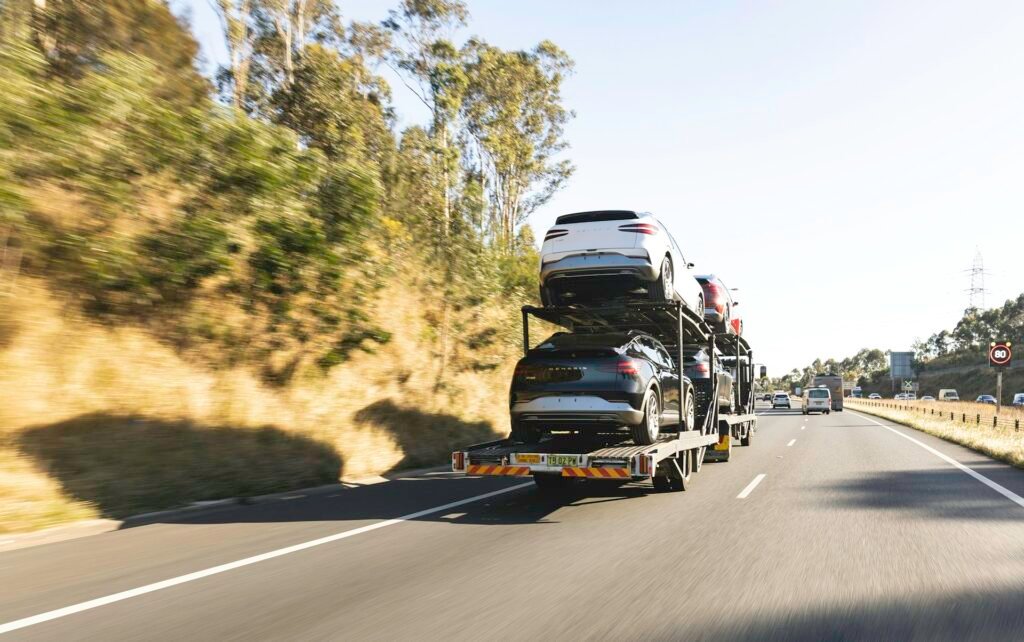
- Full or near-full carrier loads (often 7–9 cars) usually cost far less per car than single-car moves on the same lane.
- Truck transport adds zero miles to the odometer and avoids the wear, tolls, fuel and insurance exposure of drive-aways.
- A simple process (vehicle list, photos, keys, pickup windows and a single on-site contact) prevents most delays and damage disputes.
What fleet repositioning is and who needs it
Every fleet that rents or lends cars ends up with an imbalance. One-way rentals pile cars up in one city and drain them from another. A cold snap sends travelers south. A ski town needs SUVs in December and sedans in July. Repositioning is the work of fixing that imbalance before it costs you bookings.
It is not only a big-brand problem. These operators deal with it too:
- Independent and franchise rental locations that serve tourist markets or airports.
- Peer-to-peer car-sharing hosts who run several cars and chase seasonal demand in vacation towns.
- Dealership loaner and service fleets that rotate cars between stores.
- Corporate, utility and subscription fleets that shift vehicles between branches or job sites.
- Campervan and specialty vehicle rentals whose season runs only part of the year.
The common thread is timing. A car that arrives two weeks late during peak season is worth much less than a car that arrives on time. That is why repositioning is a planning job first and a shipping job second.
Seasonal demand patterns to plan around
Most fleets see the same yearly rhythm. Your local numbers will differ, but these patterns are a good starting point for a calendar.
| Season | Where demand usually rises | Typical repositioning window |
|---|---|---|
| Winter (Dec–Mar) | Florida, Arizona, Southern California, Texas Gulf Coast, Hawaii, ski towns | Move cars south and west in October–early December |
| Spring break (Mar–Apr) | Florida, Gulf Coast beaches, Southern California | Top up inventory in February |
| Spring return (Apr–May) | Northeast, Midwest, Pacific Northwest | Move snowbird-market cars north in April–May |
| Summer (Jun–Aug) | National park gateways, mountain towns, New England, the Carolinas, Pacific Northwest, Alaska | Stage cars in May |
| Back to school (Aug–Sep) | College towns, metro airports | Stage cars in late July–early August |
| Holidays (Nov–Dec) | Major airports and family destinations | Rebalance in early November |
The winter and spring windows matter most because they overlap with the snowbird migration. Thousands of private owners ship cars along the same north-south lanes at the same time. If you want to see how that crowd moves, our snowbird car shipping guide covers the timing in more detail.

Why carrier capacity gets tight (and how to stay ahead of it)
Car carriers are independent trucks. A driver fills a trailer with cars headed in roughly the same direction and gets paid per car. When many shippers want the same lane at once, drivers can pick the best-paying loads. Prices rise and pickup windows stretch.
The "backhaul" effect
Lanes are not equal in both directions. In the fall, trucks fill up fast going toward Florida and run lighter coming back north. In the spring, it flips. If your cars move against the main flow, you can often get better rates and faster pickups. If they move with the flow, you are competing with everyone else.
How to protect your capacity
- Book early. Three to six weeks ahead of a seasonal peak is a good rule of thumb for multi-car loads.
- Give flexible pickup windows. A 3–5 day window lets dispatch match your cars with a truck already on the lane.
- Group cars by origin. Ten cars at one lot are much easier to schedule than ten cars at ten addresses.
- Use guaranteed dates only where it matters. Pay for a fixed date on the cars you must have for a specific weekend, and let the rest ride on standard timing.
- Split big moves into waves. Two or three loads a week apart are easier to cover than 40 cars on one day.
Shipping vs. driving cars to reposition them
Many fleets still hire drivers to move cars one at a time. That can make sense for very short hops. Over longer distances, trucking usually wins once you add up the true costs.
| Factor | Drive-away (one driver per car) | Multi-car carrier |
|---|---|---|
| Odometer | Adds every mile of the trip | Adds zero miles |
| Wear and tear | Tires, brakes, oil life, chips from road debris | Minimal |
| Hidden costs | Fuel, tolls, driver pay, return flight or bus, lodging | Built into the per-car rate |
| Risk | Accidents, tickets, misuse, driver no-shows | Carrier cargo insurance on the load |
| Best for | Under about 100–150 miles, a handful of cars | Longer lanes and groups of 3 or more cars |
There is also a quieter cost: resale value. A rental car that collects 1,500 extra highway miles on a cross-country drive will be worth less when it leaves your fleet. For cars near their sell-off date, every mile counts.
What repositioning costs
For a single car, open transport typically runs about $500–$1,900 depending on distance, route and season. Coast-to-coast moves sit near the top of that range, and short regional moves near the bottom. Enclosed transport, which most fleets do not need for everyday rentals, usually runs about $800–$2,900.
Multi-car loads change the math. When a driver can fill most of a trailer from one lot and drop at one lot, the per-car rate often drops noticeably compared with booking each car alone. How much depends on the lane, the time of year and how flexible you are on dates. You can get a starting estimate from our car shipping cost calculator and then ask for a fleet quote.
What pushes the price up
- Moving with the seasonal flow in peak weeks.
- Rural pickup or drop-off far from interstates.
- Oversized vehicles such as 15-passenger vans, lifted trucks or campervans.
- Inoperable cars that need a winch.
- Tight or guaranteed dates.
What brings it down
- Full or near-full loads from one location.
- Flexible pickup windows.
- Moving against the main seasonal flow.
- Booking ahead of the rush.
CTS also offers a Best Price Guarantee: if you have a lower written quote for the same move, we will match or beat it. There is no deposit to book.
Timeline: how long repositioning takes
Transit time on a truck is fairly predictable once the car is loaded. Short regional moves under about 500 miles usually take 1–3 days. Coast-to-coast moves usually take 7–10 days. Mid-length routes fall in between.
The bigger variable is the pickup window. A car on a busy interstate lane might be picked up in a day or two. A car in a small mountain town might wait longer while a driver builds a full load. Same-day pickup is available in most metro areas, which helps when a surprise surge hits. For one-off rush cars, expedited car shipping is the tool to reach for.
A simple planning rule: add your expected pickup window to the transit time, then add a few buffer days before the date you need the car on the lot.
Fleet repositioning checklist
Use this list for every load. It keeps drivers moving and protects you if there is ever a damage question. Our general vehicle shipping checklist has more detail on preparing individual cars.
- Build a vehicle manifest. List each car's year, make, model, color, VIN, plate and unit number, plus whether it runs.
- Confirm the pickup and drop-off sites. Give exact addresses, gate or lot hours, and whether a 75-foot truck can get in and turn around.
- Name one contact at each end. One person with a phone who can release keys and sign the inspection report.
- Clean the cars enough to inspect. Dirt hides scratches, and the condition report is only as good as what the driver can see.
- Photograph every car. Four sides, roof, wheels, interior and odometer, with a date stamp.
- Remove personal items and toll tags. Pull lost-and-found items and disable or remove toll transponders so you are not billed for the truck's route.
- Leave about a quarter tank of fuel or a modest EV charge. Enough to load and unload, not more.
- Prepare keys. One key per car, tagged with the unit number. Note any cars with keyless or app-only access.
- Check for fluid leaks or warning lights. Flag them before loading so they are noted on the report.
- Sign the bill of lading at pickup and delivery. Note any damage on the report before the driver leaves.
Insurance, inspections and paperwork
Every carrier we dispatch is licensed and insured, and the carrier's cargo insurance covers damage caused during transport. Your own fleet policy may also apply. Ask your insurer how they handle vehicles in the care of a third-party carrier so you know who pays first if something happens.
The key document is the bill of lading (BOL). It doubles as the condition report. The driver marks existing damage at pickup, and your contact checks it again at delivery. Any new damage has to be written on the BOL at delivery, before the driver leaves, to support a claim. That one habit prevents most disputes.
You do not usually need to send titles or registration with the cars for a domestic move. Keep current registration in the glovebox in case the car needs to be moved on a public street during loading. For high-value units, coverage up to $2M is available.
Electric vehicles and special units in the fleet
More fleets now run EVs, and they ship the same way as gas cars with a few extra steps. Charge to roughly 30–50%, not full. Make sure the driver knows how to put the car in neutral or transport mode, since some EVs lock the wheels when powered down. Our electric vehicle shipping guide covers model-specific tips.
Pickups, full-size vans and campervans may take more space on the trailer and can cost more. Tell us the exact model and any lift, roof rack or hitch so the driver can plan the load. For pickups specifically, see our truck shipping page.
Building a repeatable repositioning program
The fleets that handle peak season best treat repositioning like a standing process, not a fire drill.
Plan the year in one sitting
Pull last year's utilization by location and mark the weeks where you ran short or sat full. Those dates become your shipping calendar.
Set standing lanes
If you move cars from the same northern lot to the same Florida lot every fall, say so up front. A repeat lane is easier to cover and lets dispatch line up trucks earlier.
Track every unit
You will get 24/7 in-transit updates on each shipment, so your branch managers know when to expect cars and can plan cleaning and prep crews.
Review after each season
Note which loads were late, which lanes were expensive and which sites were hard for trucks to reach. Fix the site problems before next year.
Frequently asked questions
How far ahead should I book fleet repositioning?
For seasonal moves, three to six weeks ahead of the peak is a good target. For routine rebalancing outside peak weeks, one to two weeks is often enough. Same-day pickup is available in most metro areas for urgent cars.
Is it cheaper to ship cars than to drive them?
For distances over roughly 100–150 miles, shipping is often cheaper once you count driver pay, fuel, tolls, return travel, wear and lost resale value. Multi-car loads make the gap wider.
How many cars fit on one carrier?
Standard open carriers usually hold about 7–9 passenger cars. Larger vehicles such as full-size SUVs, pickups and vans take more space, so fewer fit.
Can you pick up from an airport rental lot?
Often, yes, if the lot allows commercial trucks and has room for loading. If not, we can arrange pickup at a nearby off-airport lot. Tell us about access rules when you book.
What happens if a car is damaged in transit?
Note the damage on the bill of lading at delivery and take photos. The claim goes to the carrier's cargo insurance. Clear pickup photos and a signed condition report make the process much smoother.
Do you handle repositioning to and from Hawaii?
Yes. We arrange shipping in all 50 states, including Hawaii. See our Hawaii car shipping page for port and timing details.
Ready to plan your next seasonal move? Send us your vehicle list and target dates to get a free quote for your fleet, with no deposit required.
Updated November 4, 2026