
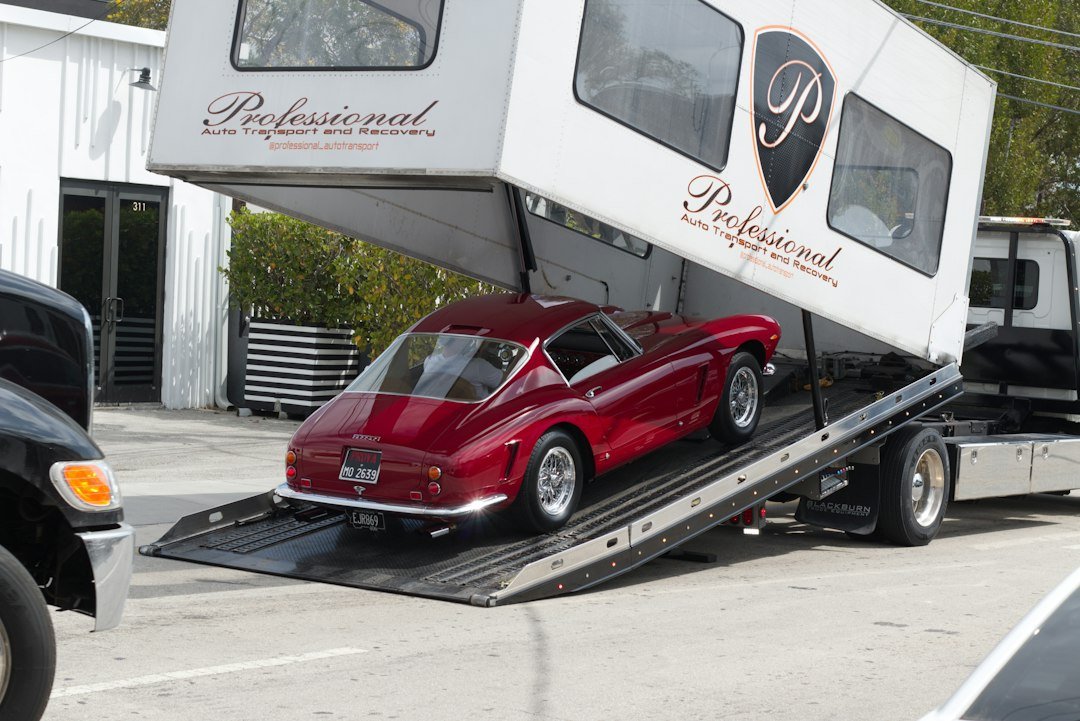
To get a car out of an auto auction, the auction must mark it as paid and released, and your transporter must show up with the right release document, usually called a gate pass or release form, plus any pickup number or PIN the auction issues. If any of those pieces are missing, the gate will not let the car leave and storage fees can start piling up. This guide walks through the documents, the gate process and how to keep your pickup from getting stuck.
Key takeaways
- Pay in full first. Most auctions will not release a vehicle, or issue a gate pass, until payment clears.
- The carrier needs the gate pass or release, the lot or stock number, the pickup location, and any PIN or release code the auction provides.
- Storage fees often begin after a short free period, commonly a few business days. Check your auction's exact rules.
- The title is usually handled separately from the vehicle and may be mailed or held until later.
- Tell your shipper if the car does not run. Non-running cars need a winch or forklift loading and may cost more.
How auction pickups work, in plain terms
Whether you bought at a dealer-only wholesale auction, an online salvage auction or a public auction, the steps are similar.
- You win the vehicle. The auction sends an invoice with the lot or stock number and the yard location.
- You pay. Payment deadlines are often short, sometimes one or two business days. Late payment can bring fees or even cancellation.
- The auction releases the car. Once payment clears, the auction marks the car as released in its system.
- You get a release document. This may be a gate pass, release form, pickup order or an electronic release tied to a code.
- You assign a transporter. Some auctions let you add your carrier's details online. Others just need the carrier to bring the release.
- The carrier picks up. The driver checks in at the gate or office, shows ID and the release, and the yard brings the car out or tells the driver where it sits.
- The car is inspected and loaded. The driver notes condition on the bill of lading and loads the car.
Our dealer and auction car shipping service is built around this process, and we can pick up from most major auction locations across the country.
The documents you need (and who holds them)
Names vary by auction, but these are the pieces that matter at the gate.
| Item | What it is | Who needs it |
|---|---|---|
| Invoice / bill of sale | Proof of purchase with price, buyer number and vehicle details | You; carrier may need lot number from it |
| Gate pass / release form | The document that authorizes the car to leave the property | Carrier, at the gate |
| Lot or stock number | The auction's ID for the car, used to find it in the yard | Carrier and yard staff |
| Pickup PIN or release code | A code some auctions use to confirm the carrier is authorized | Carrier |
| VIN | The vehicle ID number, used to confirm the right car is loaded | Carrier and yard staff |
| Driver ID | The driver's license; some auctions also need company info | Carrier |
| Title | Proof of ownership, often handled separately | You, for registration or resale |
Gate pass vs. title
Buyers often mix these up. The gate pass lets the car leave the lot. The title proves who owns it. Many auctions release the car before the title is ready and mail the title later. That is normal. You usually do not need the title in hand for the carrier to pick up, but you will need it to register or resell the car. Ask your auction when and how the title will be sent.
Gate procedures: what the driver goes through
Every auction runs its gate a little differently. Here is what a driver can expect at most locations.
Check-in
The driver goes to the gate or the release office and gives the lot number, release document and ID. Staff confirm the car is paid and released in their system. If the system does not show a release, the car stays put, even if you have a receipt.
Locating the car
At some auctions, yard staff bring the car to a loading area. At others, the driver is told the row and spot and has to find it. Large salvage yards can be big, so accurate lot numbers save a lot of time.
Loading help
Running cars are usually driven onto the trailer. Non-running or damaged cars may need a forklift from the yard or a winch on the truck. Some auctions charge a loading fee for forklift help. Ask in advance so it is not a surprise.
Hours and appointments
Pickup hours are often limited to weekday business hours, and some locations require scheduled pickup appointments. Holidays and weather closures also affect access. A driver who arrives after cutoff will have to come back, which can push your delivery back a day or more.
Storage fees and deadlines
This is where auction pickups cost people money. Most auctions give a short free period after the sale or after payment, and then charge daily storage for every day the car sits. The free period and daily rate vary by auction and location, so read your buyer terms. A few business days free is common at many auctions.
To avoid storage fees:
- Book transport the day you win, not the day you pay.
- Pay quickly so the release happens fast.
- Send release details right away to your shipper.
- Use same-day pickup where you can. It is available in most metro areas.
- Consider expedited shipping if the free window is about to close.
Storage charges are billed by the auction, not the carrier, and usually have to be paid before the car can leave. If a pickup is delayed, ask your auction whether storage keeps running during the delay.
Common reasons auction pickups get stuck
| Problem | What it looks like at the gate | How to prevent it |
|---|---|---|
| Payment not cleared | Car shows as unpaid or not released | Pay early; wire or cleared funds release faster than some other methods |
| Wrong or missing release | Driver cannot show a valid gate pass or PIN | Send the release document and code to your shipper as soon as you get them |
| Wrong lot number or location | Driver goes to the wrong yard or cannot find the car | Copy lot number and yard address straight from the invoice |
| Carrier not authorized | Auction requires the transporter to be added to the buyer's account | Add the carrier info online if your auction requires it |
| Unpaid storage or fees | Gate holds the car until fees are paid | Check your account for balances before the driver arrives |
| Car condition surprise | Car does not roll, steer or brake | Tell your shipper it may be inoperable so the right truck is sent |
| After-hours arrival | Gate closed | Share pickup hours and appointment rules when booking |
Running vs. non-running auction cars
Salvage and many wholesale cars do not run. That is fine, but it changes how they ship.
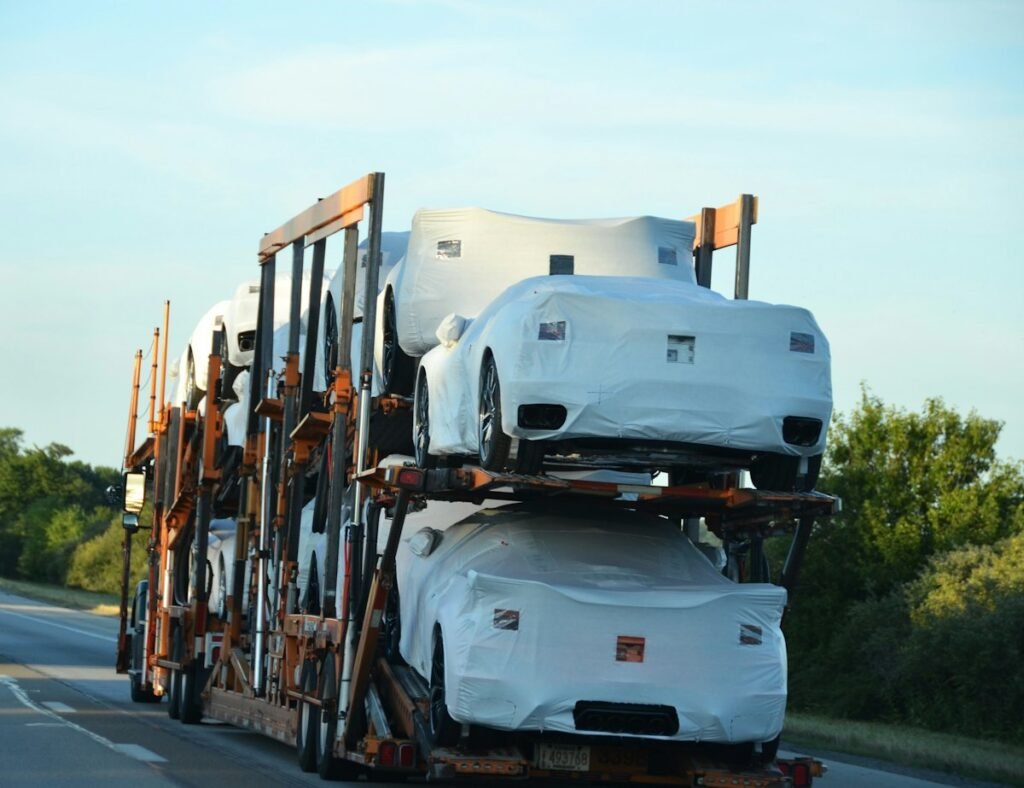
- Inoperable cars need a winch or a forklift to load and unload, and a driver with the right equipment.
- Cars must roll, steer and brake for most winch loading. A car with locked wheels or no steering may need extra handling and may cost more.
- Missing keys can make a car hard to move, especially if the steering is locked. Note whether keys are included.
- Heavy damage, such as missing wheels, may need a flatbed or special handling.
Be honest about condition when you book. If a driver shows up expecting a running car and finds a non-runner, the pickup may be delayed while the right truck is sent.
What auction car shipping costs
Auction cars ship on the same trucks as any other car. A typical open-carrier move runs about $500–$1,900, depending on distance, route and season. Enclosed transport, used for high-value auction buys like classics or exotics, typically runs about $800–$2,900. Non-running cars often cost more because of winch loading.
Transit time is usually 1–3 days for trips under 500 miles and 7–10 days coast to coast. The total time can be longer if pickup is delayed by release issues, which is why getting the paperwork right matters so much. Try our car shipping cost calculator for a quick estimate, and remember our Best Price Guarantee: we match or beat a lower written quote.
Auction pickup checklist
Run through this list every time you buy. It takes five minutes and can save days.
- Save the invoice with buyer number, lot number, VIN and yard address.
- Pay in full and confirm the car shows as paid in your account.
- Download or request the gate pass or release form.
- Write down any pickup PIN or release code.
- Add your transporter to the auction account if required.
- Check the free storage period and the date it ends.
- Confirm pickup hours, appointment rules and any loading fees.
- Tell your shipper whether the car runs and whether keys are included.
- Book transport and share all release details in one message.
- At delivery, inspect the car against the bill of lading and note any new damage before signing.
For general prep tips that apply to any vehicle, see our vehicle shipping checklist.
Titles, registration and taxes after the auction
Once the car is home, you still need to title and register it. Salvage-title cars often have extra steps, such as a rebuilt-title inspection after repairs, before they can be driven on public roads. Rules differ by state, so check with your state's motor vehicle agency before you buy if you are not sure what a salvage car will need. Dealers buying wholesale usually handle titles through their own dealer process.
If you are buying from an online seller rather than an auction, see our guide for online car buyers.
Frequently asked questions
What is a gate pass at a car auction?
A gate pass is the release document that lets a vehicle leave the auction property. It is usually issued after payment clears, and the transporter must present it at pickup along with ID and the lot number.
Do I need the title for the carrier to pick up my auction car?
Usually not. Most auctions release the vehicle with a gate pass and handle the title separately, often mailing it later. You will need the title to register or resell the car.
How soon do storage fees start at an auction?
It depends on the auction. Many give a few free business days after the sale or payment, then charge a daily fee. Check your buyer agreement for the exact rules.
Can you pick up a car that does not run?
Yes. We can send a carrier with a winch, and some auctions provide forklift loading. Tell us the car is inoperable when you book so the right truck is assigned.
How fast can my auction car be picked up?
Same-day pickup is available in most metro areas once the car is paid and released. In rural areas or at busy times, pickup may take a few days.
Just won a car? Send us the lot number and yard location to get a free quote, with $0 deposit and pickup scheduled around your auction's deadlines.
Updated November 4, 2026