
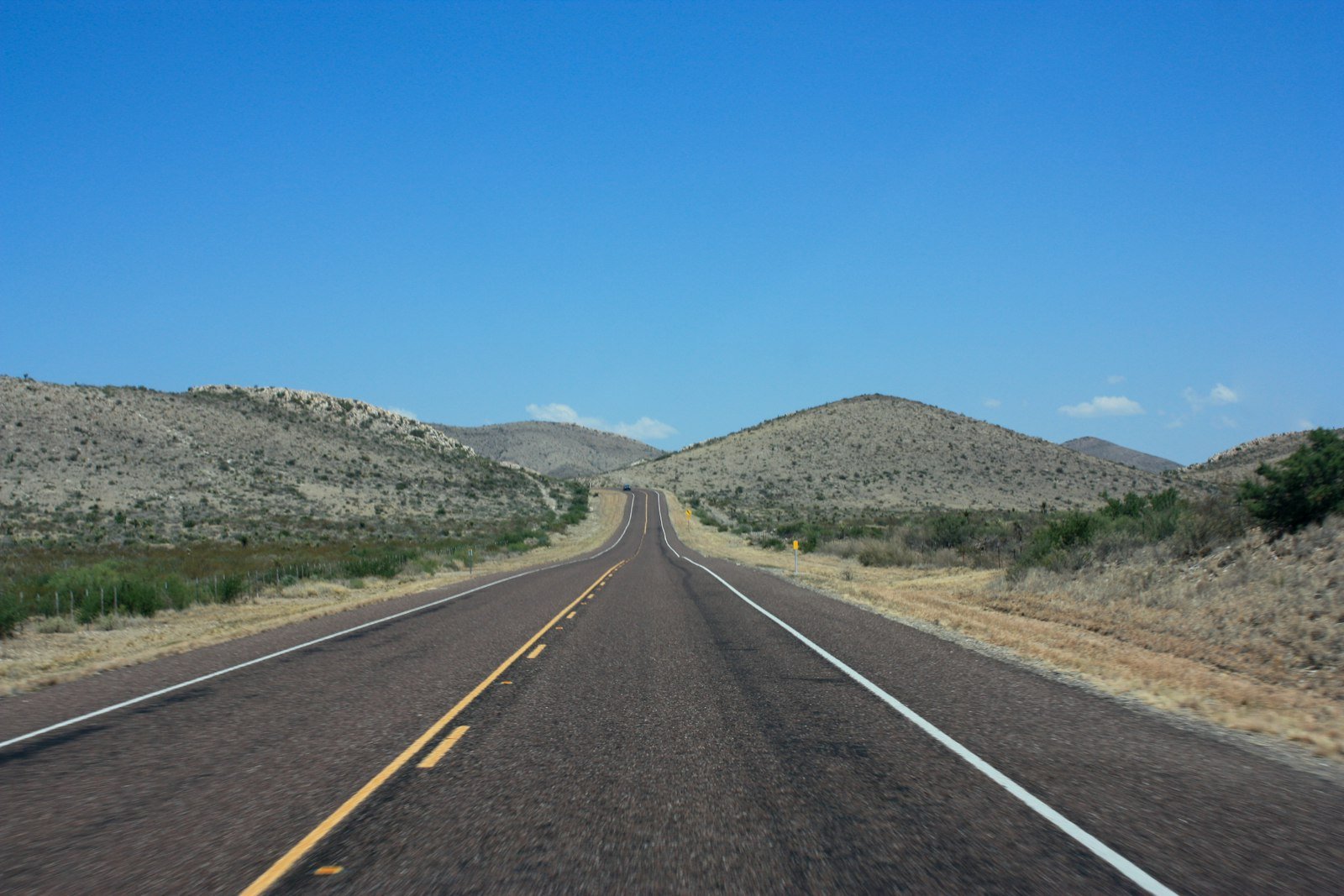
Moving to Texas in 2026 still makes sense for a lot of people: there is no state income tax, the job market is broad, and big metros like Dallas–Fort Worth, Houston, Austin and San Antonio are all growing. The trade-offs are higher property taxes, long hot summers, and a lot of driving, so planning how your car gets there (and gets registered) matters. This guide covers cost of living, the best cities, jobs, climate, vehicle rules and how to ship your car to Texas without the stress.
Key takeaways
- Texas has no state income tax, but property taxes and home insurance can be higher than you expect.
- The four biggest metros (DFW, Houston, Austin, San Antonio) each have a very different feel, budget and job mix.
- New residents typically need to register their vehicle within 30 days and get a Texas driver license within 90 days. Confirm with TxDMV and Texas DPS.
- Summers are long and hot. Coastal areas face hurricane season from June 1 to November 30.
- Shipping a car to Texas typically costs $500–$1,900 on an open carrier and takes 1–3 days for short trips or 7–10 days coast to coast.
Why so many people are moving to Texas
Texas draws movers for three big reasons: money, jobs and space. Without a state income tax, a paycheck usually stretches further than in states like California or New York. Housing in most Texas metros has also been cheaper than on either coast, even after the price jumps of recent years.
The state is also huge. You can pick a downtown high-rise in Houston, a ranch-style home in the Hill Country, a beach town on the Gulf Coast or a fast-growing suburb north of Dallas. That variety is a big part of the appeal, but it also means the "Texas experience" changes a lot depending on where you land.
Before you commit, visit in July or August if you can. If you can handle the heat in peak summer, you will likely be happy year-round.
Cost of living in Texas
Texas is usually cheaper than the national coastal hubs, but it is not cheap everywhere. Austin and parts of Dallas can feel pricey, while San Antonio, El Paso and many smaller cities stay more affordable.
Taxes: no income tax, but watch property tax
Texas funds much of its government through sales and property taxes instead of an income tax. The state sales tax rate is 6.25%, and local add-ons can bring the combined rate up to 8.25%. Property tax rates are set locally and are among the higher rates in the country, so a home with the same price tag can cost more per year to own in Texas than in some other states. If you buy a home and live in it, ask your county appraisal district about the homestead exemption, which lowers the taxable value of your primary home.
Housing, utilities and insurance
Rents and home prices vary a lot by metro and neighborhood. Electricity bills climb in summer because air conditioning runs for months. In most of the state you choose your own electricity provider, so compare plans carefully. Home and auto insurance can also run high in areas exposed to hail, flooding or hurricanes, so get quotes before you sign a lease or buy.
Transportation costs
Outside of a few downtown cores, Texas is car country. Most households need at least one vehicle, and commutes in Houston and DFW can be long. Toll roads are common around Dallas, Houston and Austin, so a toll tag is worth getting early.

Best cities in Texas to move to
There is no single "best" city. The right one depends on your job, budget and lifestyle. Here is a quick look at the most popular choices.
| City / metro | Best for | Things to know |
|---|---|---|
| Dallas–Fort Worth | Corporate jobs, suburbs, central location | Very spread out; tolls and long commutes are common |
| Houston | Energy, medicine, port and shipping jobs, diverse food scene | Humid, flood-prone areas, hurricane risk |
| Austin | Tech careers, live music, outdoor life | Higher housing costs than most of Texas, heavy traffic |
| San Antonio | Lower cost, military community, family-friendly | Hot summers; fewer tech roles than Austin |
| El Paso | Affordability, dry climate, mountain views | Far from other big Texas metros; Mountain Time Zone |
| Hill Country towns | Space, small-town feel, remote workers | Fewer services; you will drive a lot |
Dallas–Fort Worth
DFW is a giant metro with dozens of suburbs such as Plano, Frisco, McKinney and Arlington. Many large companies have headquarters or big offices here. DFW International Airport is also a major hub, which is handy if you travel for work.
Houston
Houston is the largest city in Texas and one of the most diverse in the country. It is known for energy, the Texas Medical Center and the port. Housing can be more affordable than Austin, but check flood maps for any address before you move.
Austin and San Antonio
Austin is the state capital and a tech hub, with a younger crowd and lots of outdoor options. San Antonio, about 80 miles south, offers a slower pace, lower costs and a large military presence. Many people live in one and work in the other, or pick suburbs like Round Rock, New Braunfels or San Marcos.
Jobs and the Texas economy
Texas has one of the largest economies in the U.S., and it is not just oil. Key industries include:
- Energy: oil, natural gas, and a fast-growing wind and solar sector.
- Technology: software, chips and data centers, especially around Austin and Dallas.
- Healthcare: major hospital systems in Houston, Dallas and San Antonio.
- Aerospace and defense: including NASA's Johnson Space Center near Houston and several military bases.
- Logistics and trade: ports, rail and the border crossings that move goods with Mexico.
If you are moving for a job, ask whether your employer offers relocation help. Some will cover the cost of shipping a car, which can save you a long drive. Remote workers often pick Texas for the tax savings and keep their current job.
Climate and weather in Texas
Texas weather is big and varied. Most of the state has long, hot summers. Houston and the Gulf Coast are humid, while West Texas is dry. Winters are mild in the south but can bring ice storms in North Texas and the Panhandle.
- Heat: 100°F days are common in summer across much of the state.
- Hurricanes: the Atlantic hurricane season runs June 1 to November 30 and affects the Gulf Coast most.
- Hail and severe storms: spring storms can damage cars, which is one reason covered parking is popular.
- Flooding: flash floods happen in many areas. Never drive through water on the road.
Weather can also affect car shipping. Carriers may slow down or reroute during a hurricane or ice storm, so build a little flexibility into your delivery window if you move during those seasons.
Driving, registration and your Texas license
Rules change, so treat this section as a starting point and confirm details with the Texas Department of Motor Vehicles (TxDMV) and the Texas Department of Public Safety (DPS), which handles driver licenses.
Registering your car
New residents typically have 30 days after moving to register their vehicle in Texas. You usually need proof of Texas liability insurance, your out-of-state title or registration, proof of ID, and a completed title application. Registration is handled at your county tax assessor-collector's office.
Texas ended annual safety inspections for most passenger vehicles starting in 2025, but emissions testing still applies in certain counties, mainly around the big metros. Requirements for vehicles coming from out of state can differ, so check with TxDMV before you go to the county office.
Getting a Texas driver license
New residents typically must get a Texas driver license within 90 days of moving. DPS offices can be busy, so book an appointment early. Bring proof of identity, proof of Texas residency and proof that your vehicle is registered and insured in Texas.
Insurance
Texas requires minimum liability coverage. Before you register, switch your policy to a Texas address. Rates depend on your city, so shop around.
Texas new-resident checklist
- Update your auto insurance to a Texas policy.
- Check whether your county requires an emissions test.
- Register and title your car with the county tax office (typically within 30 days).
- Get your Texas driver license from DPS (typically within 90 days).
- Register to vote and update your address with the USPS, IRS and your bank.
- Get a toll tag if you will drive in Dallas, Houston or Austin.
How to ship your car to Texas
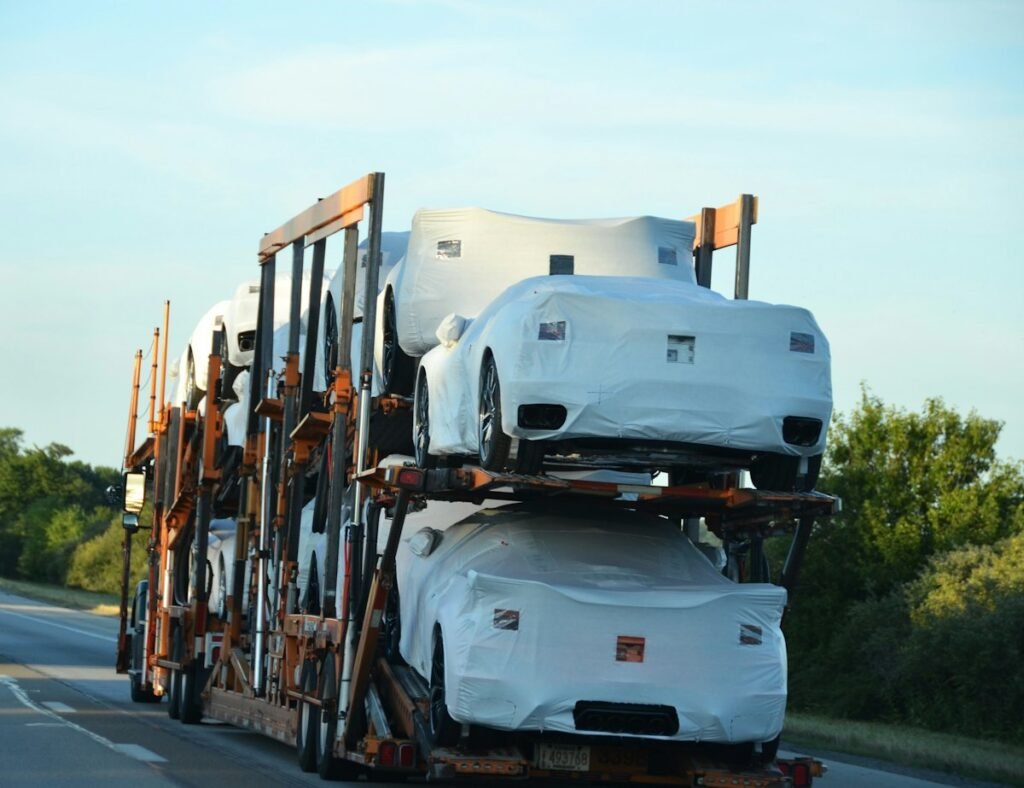
Driving across the country is long, tiring and adds miles and wear to your car. Many movers ship their vehicle instead and fly or drive a second car. Here is how it typically works. For more detail, see our page on Texas car shipping and our guide to how car shipping works.
Open vs. enclosed transport
Most people choose open car shipping. It is the most common and affordable option, and it is how dealers move new cars every day. If you own a luxury, classic or exotic car, enclosed car shipping protects it from road debris, rain and hail, which is a real concern in Texas.
Typical cost and transit times
Prices depend on distance, vehicle size, season, and how busy the route is. These are typical ranges, and real quotes vary.
| Trip to Texas | Typical open price | Typical transit time |
|---|---|---|
| Within Texas or a nearby state (under 500 miles) | $500–$900 | 1–3 days |
| Midwest or Southeast (500–1,500 miles) | $800–$1,300 | 3–6 days |
| West Coast or Northeast (1,500+ miles) | $1,100–$1,900 | 5–10 days |
Enclosed transport typically runs $800–$2,900. Use our car shipping cost calculator for a quick estimate for your exact route.
Tips for a smooth shipment
- Book 1–2 weeks ahead if you can, especially in summer, which is peak moving season.
- Remove personal items and toll tags, and leave about a quarter tank of gas.
- Wash the car and take dated photos of every side before pickup.
- Choose door-to-door shipping so the driver gets as close to your new home as safely possible.
- Follow our vehicle shipping checklist the week before pickup.
When CTS Auto Transport arranges your shipment, you pay a $0 deposit, get 24/7 in-transit updates, and are covered by our Best Price Guarantee, which means we match or beat a lower written quote.
Frequently asked questions
Is it cheaper to live in Texas than California?
For most people, yes. Texas has no state income tax and housing in most metros costs less than in coastal California. However, property taxes and insurance can be higher, so compare your full budget, not just rent or home price.
How long do I have to register my car after moving to Texas?
New residents typically have 30 days to register their vehicle in Texas. Confirm the current rule and any inspection steps with TxDMV and your county tax assessor-collector's office.
What is the best city in Texas for families?
Many families like the suburbs around Dallas–Fort Worth and Houston, as well as San Antonio, for their lower costs and wide choice of schools. The best fit depends on your job location and budget.
How much does it cost to ship a car to Texas?
Typical prices range from about $500 for short trips to about $1,900 for coast-to-coast moves on an open carrier. Enclosed shipping costs more. Your exact price depends on distance, vehicle type and timing.
How long does it take to ship a car to Texas?
Short trips usually take 1–3 days. Shipping from the East or West Coast typically takes 5–10 days, depending on the exact route and weather.
Ready to make your move to Texas easier? Tell us your route and dates and get a free quote in minutes, with no deposit required.
Updated November 4, 2026