
Moving to Colorado means trading flat ground for mountain views, sunny days and an outdoor lifestyle that is hard to match. Before you go, plan for a higher cost of living along the Front Range, snowy mountain driving and a few DMV steps for your car. This guide covers the best cities, jobs, climate, vehicle registration basics and the easiest way to get your car to Colorado without driving it over the Rockies yourself.
Key takeaways
- Most new residents settle along the Front Range: Denver, Aurora, Colorado Springs, Fort Collins and Boulder.
- Housing is the biggest cost. Denver and Boulder run well above the national average, while Pueblo and Grand Junction cost less.
- New residents typically have about 90 days to register a car, and some Front Range counties require an emissions test first. Confirm with the Colorado DMV.
- Shipping a car to Colorado usually takes 1–3 days from nearby states and about 7–10 days from either coast.
- Book 1–2 weeks ahead in summer and plan around winter storms on I-70 if your car is heading to a mountain town.
Is moving to Colorado a good idea?
For many people, yes. Colorado offers a strong job market, big-city amenities in Denver, and world-class skiing, hiking and biking less than two hours away. The state draws young professionals, families and retirees alike.
The trade-offs are real, though. Home prices and rents in the Denver area climbed fast over the last decade. Traffic on I-25 and I-70 can be heavy. And the high altitude takes some getting used to. Denver sits at about 5,280 feet, and many mountain towns are much higher.
Quick pros and cons
- Pros: lots of sunshine, outdoor access, growing job market, healthy lifestyle culture, four real seasons.
- Cons: high housing costs on the Front Range, wildfire risk in dry years, winter driving in the mountains, altitude adjustment.
Cost of living in Colorado
Colorado's overall cost of living is generally above the U.S. average, but it varies a lot by city. Housing drives most of the difference. Groceries, gas and utilities tend to land closer to national norms.
Colorado has a flat state income tax, so everyone pays the same rate regardless of income. Local sales taxes vary by city and county, and some cities add their own. Cars also carry a yearly "specific ownership tax" as part of registration, which is based on the vehicle's age and value. Newer, pricier cars cost more to register.
| Area | Relative cost | Good fit for |
|---|---|---|
| Boulder | Very high | University, tech and outdoor lovers |
| Denver | High | City life, jobs, nightlife, transit |
| Fort Collins | High | Families, college town feel |
| Colorado Springs | Moderate to high | Military families, outdoor access |
| Aurora / Thornton / Westminster | Moderate to high | Suburban living near Denver |
| Grand Junction | Moderate | Western Slope, wine country, desert trails |
| Pueblo | Lower | Budget-minded buyers, warmer winters |
These are general comparisons, not exact figures. Check current rent and home listings for the neighborhoods you are considering before you sign anything.
Best cities and towns to live in Colorado
Denver
Denver is the state's job and culture hub. You get pro sports, a growing food scene, light rail and easy access to I-70 for weekend trips. Neighborhoods range from walkable urban areas to quiet streets with older bungalows.
Colorado Springs
About an hour south of Denver, Colorado Springs sits at the foot of Pikes Peak. It has a large military presence, a lower cost of living than Denver and fast access to trails. It is a popular choice for military families on PCS orders.
Fort Collins
Home to Colorado State University, Fort Collins is known for bike-friendly streets, craft breweries and a relaxed pace. It works well for families and remote workers who still want a real downtown.
Boulder
Boulder blends a university town with tech and research jobs. The setting is beautiful, but it is one of the most expensive places in the state.
Mountain towns and the Western Slope
Towns like Breckenridge, Steamboat Springs and Durango offer small-town life near the slopes, though housing can be tight and pricey. Grand Junction, on the Western Slope, has a drier climate, lower costs and a growing outdoor scene.
Jobs and the Colorado economy
Colorado has a diverse economy. Major sectors include:
- Aerospace and defense: the Denver and Colorado Springs areas host many aerospace companies and military installations.
- Technology: software, telecom and startups cluster around Denver, Boulder and the Denver Tech Center.
- Healthcare: large hospital systems employ thousands across the Front Range.
- Government and research: federal labs, universities and state agencies.
- Tourism and recreation: ski resorts, hospitality and outdoor gear brands, especially in mountain towns.
- Energy and agriculture: stronger on the Eastern Plains and Western Slope.
Remote work is also common, which is one reason so many people choose Colorado for lifestyle first and then bring their job with them.
Colorado climate and what it means for your car
Colorado is often described as sunny, and much of the state is semi-arid with low humidity. Summers along the Front Range are warm with afternoon thunderstorms. Winters bring snow, but in Denver it often melts within a few days thanks to strong sun.
The mountains are a different story. Heavy snow, ice and closures are common on mountain passes from fall through spring. Colorado has a Traction Law that can require proper tires or chains on I-70 and other highways during storms. If you will live in or commute to the high country, plan on all-season tires with good tread at minimum, and consider snow tires or AWD.
Car tips for Colorado weather
- Check your antifreeze, wipers and battery before your first winter.
- Hail is common in late spring and summer on the Front Range. Covered parking and comprehensive insurance are worth it.
- High altitude and dry air are hard on paint, rubber seals and tires. Wash and wax more often.
Registering your car in Colorado (the basics)
Rules change, so always confirm current requirements with the Colorado Division of Motor Vehicles or your county motor vehicle office. Here is what new residents can typically expect:
- Deadline: new residents typically need to register their vehicle within about 90 days of becoming a Colorado resident.
- Emissions test: if you live in the Denver metro area or parts of the North Front Range, your car may need to pass an emissions test before you can register it. Many newer vehicles are exempt for their first several model years.
- VIN verification: vehicles coming from out of state generally need a VIN verification, which can often be done at an emissions station, a dealer or a law enforcement office.
- Documents: expect to bring your out-of-state title (or lender information if the car is financed), proof of Colorado insurance, ID and the emissions and VIN paperwork.
- Fees and taxes: registration fees and specific ownership tax depend on the vehicle's age, weight and value. Some counties also collect sales or use tax for recently purchased vehicles.
You will also need to switch your driver's license. Colorado typically expects new residents to get a Colorado license within about 30 days. Check the Colorado DMV website for appointments, since walk-in wait times can be long in busy offices.
How to ship your car to Colorado
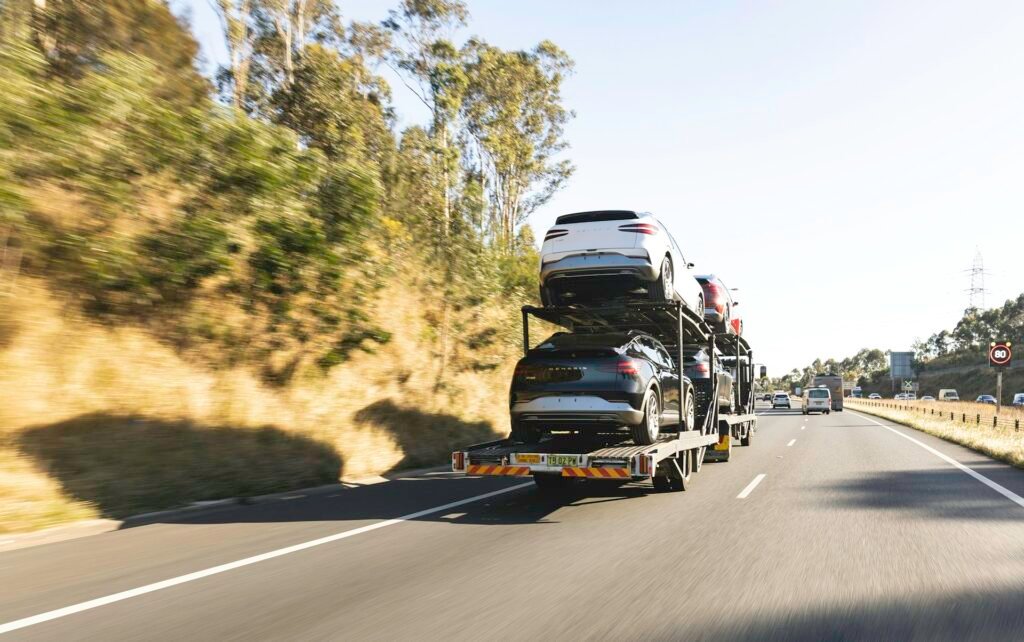
Driving across the plains or over the Rockies is a long trip, and it adds wear, fuel and hotel costs. Many movers fly or drive one car and ship the other. With Colorado car shipping, a licensed carrier picks up your car at your old home and delivers it to your new one.
Open vs. enclosed transport
Most people choose open car shipping, which is the most affordable option and works well for daily drivers. If you own a classic, luxury or low-clearance car, or you are shipping during winter when road salt and grime are a concern, enclosed car shipping keeps it protected from weather and road debris.
Typical costs and transit times
Prices depend on distance, vehicle size, season and how easy the pickup and delivery spots are to reach. Here are rough ballpark ranges for a standard sedan on an open carrier. Your actual quote will vary.
| Moving from | Approx. distance to Denver | Typical transit | Ballpark open price |
|---|---|---|---|
| Texas (Dallas) | ~800 miles | 2–4 days | $650–$1,000 |
| Illinois (Chicago) | ~1,000 miles | 3–5 days | $750–$1,100 |
| California (Los Angeles) | ~1,000 miles | 3–5 days | $750–$1,150 |
| Florida (Orlando) | ~1,800 miles | 5–8 days | $1,000–$1,500 |
| New York (NYC) | ~1,800 miles | 5–8 days | $1,000–$1,500 |
Enclosed transport usually costs more. For a quick estimate on your exact route, try our car shipping cost calculator.
Mountain delivery tips
Big car carriers cannot always reach narrow mountain roads or steep driveways. If you are moving to a ski town, your driver may meet you at a nearby open lot or along the main highway. During winter storms, I-70 closures can add a day or two. A flexible delivery window helps.
Your Colorado car-shipping checklist
- Get quotes 2–3 weeks ahead, or 1–2 weeks ahead for most routes outside peak summer season.
- Pick your pickup date and a realistic delivery window.
- Wash your car and take dated photos of every side.
- Remove personal items, toll tags and loose accessories.
- Leave about a quarter tank of fuel.
- Note any leaks or mechanical issues for the driver.
- Review the Bill of Lading carefully at pickup and at delivery.
- Schedule your Colorado emissions test and VIN verification after delivery if needed.
Our full vehicle shipping checklist walks through each step in more detail.
Insurance and title tips
Update your auto insurance to your new Colorado address before you register, since you will need proof of Colorado coverage. If your car is financed or leased, contact your lender early. Many lenders hold the title and will need to work with your county office to complete the transfer, which can take a few weeks.
Why movers ship with CTS Auto Transport
CTS Auto Transport takes $0 deposit to book and backs every quote with a Best Price Guarantee, so if you get a lower written quote, we will match or beat it. You get 24/7 in-transit updates and access to more than 100,000 licensed and insured carriers. Shipments are arranged by Niki Auto Transport (USDOT 4535689, MC 1799148).
Frequently asked questions
How long does it take to ship a car to Colorado?
Most shipments from neighboring states take 1–3 days. Routes from the Midwest or West Coast often take 3–5 days, and coast-to-coast moves usually take 7–10 days. Winter weather in the mountains can add time.
How much does it cost to ship a car to Colorado?
Typical open transport runs about $500–$1,900 depending on distance, vehicle size and season. Enclosed shipping usually costs more. A quote for your exact cities is the best way to know.
Do I need an emissions test in Colorado?
It depends on where you live and your vehicle's age. Emissions testing is typically required in the Denver metro area and parts of the North Front Range, with exemptions for many newer cars. Check the Colorado DMV or Air Care Colorado for your address.
How long do I have to register my car after moving to Colorado?
New residents typically have about 90 days to register. Confirm the current deadline with your county motor vehicle office.
Can a car carrier deliver to a mountain town?
Yes, but large trucks may not reach narrow or steep roads. Your driver may arrange to meet you at a safe, nearby spot. Winter storms can also cause short delays.
Ready to make your Colorado move easier? Get a free quote in minutes, with no deposit required to book.
Updated November 4, 2026