
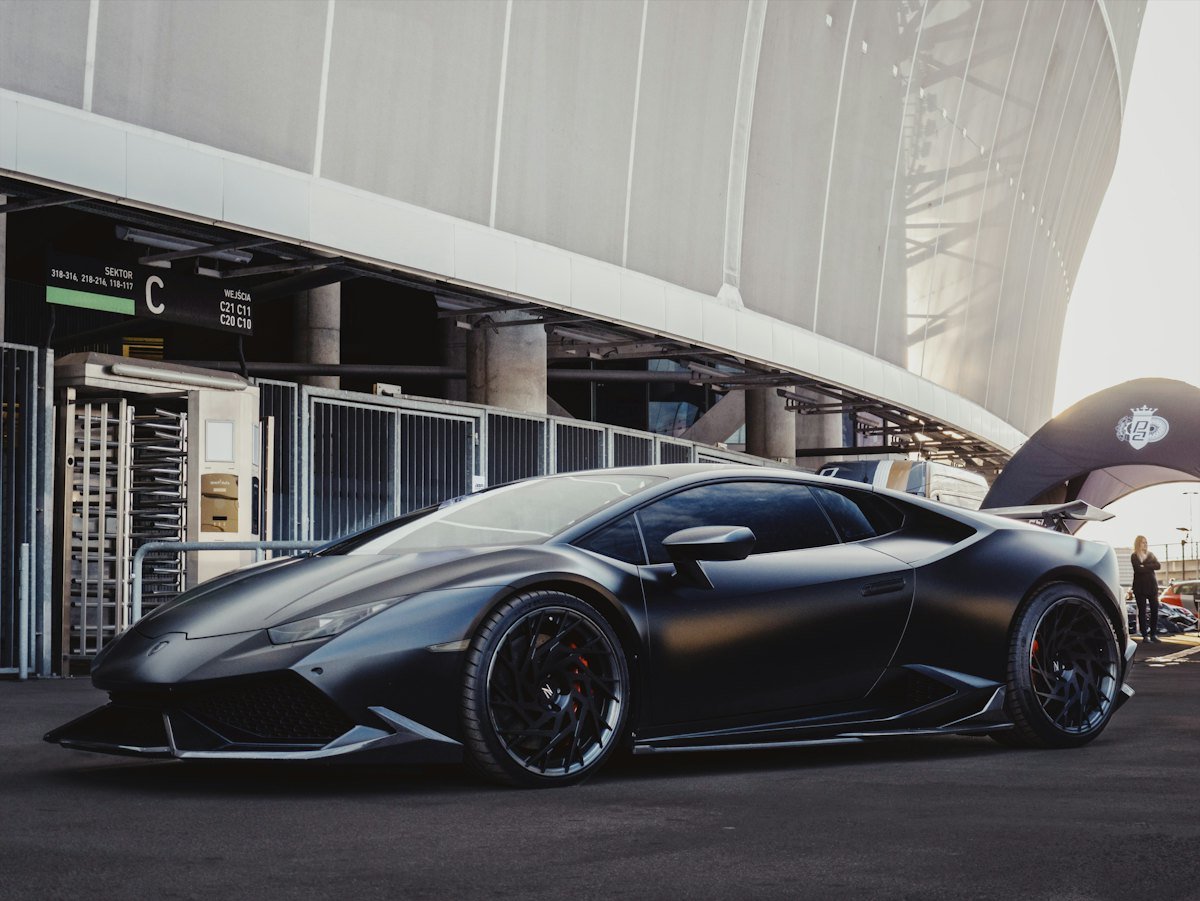
To ship a luxury or exotic car safely, book enclosed transport with a carrier that uses a hydraulic liftgate, soft wheel-net tie-downs, and cargo insurance high enough to cover the car's full value. Enclosed shipping typically runs about $800–$2,900 within the continental U.S., with transit of 1–3 days for short trips and 7–10 days coast to coast. The details that protect a supercar, like ground clearance, loading angle, and how the car is strapped, should be settled before the truck ever arrives.
Key takeaways
- Enclosed transport is the norm for exotics. Hard-sided trailers add security and full weather protection.
- Measure front ground clearance and share it when you book. Many supercars need a liftgate or very low-angle ramps.
- Wheel nets or soft straps should secure the tires, never the body, bumpers, or suspension arms.
- Confirm the carrier's cargo limit covers your car. CTS can arrange coverage up to $2M.
- Expect fewer cars per load, more scheduling lead time, and a higher price than open transport.
What makes exotic car shipping different
A Lamborghini, Ferrari, McLaren, Porsche GT car, or a high-end luxury sedan is not just "a more expensive car." It has design features that make standard car hauling risky.
- Very low ground clearance. Many supercars sit only a few inches off the ground. A standard ramp can crunch the front splitter.
- Long overhangs and carbon fiber parts. Lips, diffusers, and side skirts are easy to crack and costly to replace.
- Wide, low-profile tires. These need the right size wheel nets and careful placement on the trailer.
- Complex electronics. Some cars have transport or tow modes, battery-drain issues when parked, or keyless systems that need special handling.
- High theft and attention risk. An open carrier with a supercar on top draws eyes at every truck stop.
That is why our luxury and exotic car shipping service matches these cars with enclosed carriers that have the right gear and experience.
Choosing the right trailer
All enclosed trailers protect against weather and road debris, but they are not all the same. Here's a simple comparison.
| Trailer type | How it works | Pros | Things to know |
|---|---|---|---|
| Soft-sided enclosed | Multi-car trailer with heavy fabric curtain walls | Lower cost than hard-sided; good weather and debris protection | Less secure than solid walls; usually several cars per load |
| Hard-sided enclosed (multi-car) | Solid aluminum or steel box, often with a liftgate | Strong security, full weather protection, common for high-end cars | Books up faster; may need more lead time |
| Single or two-car enclosed | Smaller enclosed trailer pulled by a pickup or medium truck | Fewer stops, more direct routing, more personal attention | Highest cost per car |
| Open carrier, top deck | Standard open hauler; car rides on the upper level | Lowest cost and fastest to schedule | Exposed to weather and road grit; not ideal for exotics |
For most exotics, a hard-sided enclosed trailer with a liftgate is the sweet spot. Our guide to enclosed car shipping explains more about how these trailers work. If you are on a tight budget and the car is a newer luxury sedan or SUV with normal clearance, open transport can work too; see open car shipping.
Loading low cars without damage
The loading process is where most exotic car damage happens. Before pickup day, sort out these three things.
1. Ground clearance and approach angle
Measure the distance from the ground to the lowest point of the front lip. Also note whether your car has a nose-lift system. Share both numbers when you book. Carriers can then plan whether to use a liftgate, extended low-angle ramps, or wood or composite ramp blocks.
2. Liftgate vs. ramps
A hydraulic liftgate lifts the car level, so the nose never tips. This is the safest option for very low cars. If the carrier uses ramps, ask about the ramp angle and length. Never let a driver "just try it" if the front lip is going to touch.
3. Tie-down method
Ask for wheel nets (soft straps that go over the tires). They let the suspension move naturally and keep straps away from paint and carbon parts. Hard chains to suspension arms or frame points are a red flag for most exotics. The driver should check strap tension at stops.
Insurance and value protection
All licensed carriers must carry cargo insurance, but limits vary. A typical carrier policy might cover a load in total, not each car separately. That can matter if your car is worth more than the rest of the load.
- Get the certificate of insurance and check the per-vehicle limit and the deductible.
- Compare the limit to your car's value. If it is lower, ask for a carrier with higher limits. CTS can arrange coverage up to $2M.
- Call your own insurer. Some luxury and collector policies cover the car in transit. Get the answer in writing.
- Keep proof of value, such as a purchase agreement, appraisal, or recent window sticker.
Shipments with CTS are arranged by Niki Auto Transport (USDOT 4535689, MC 1799148). You can look up any carrier's or broker's authority on the FMCSA website before you book.

How to prepare a luxury or exotic car
Good prep protects the car and keeps pickup quick. Start about a week before your pickup date. You can also use our general vehicle shipping checklist.
- Wash and photograph the car. Shoot all sides, wheels, lower lips, roof, interior, and the odometer. Record a slow video walk-around.
- Note existing chips and curb rash so they go on the Bill of Lading.
- Charge the battery or connect a trickle charger until pickup. Some exotics drain fast when parked.
- Check for transport or tow mode in the owner's manual, and write down any steps the driver needs.
- Keep fuel around a quarter tank.
- Remove personal items, garage door openers, toll tags, and dash cams.
- Fold mirrors and retract spoilers if your car allows.
- Disable alarms or leave clear written instructions.
- Hand over one key or fob and keep the spare. Some owners also leave a short note with quirks, like a nose-lift button or a tricky park brake.
Pickup and delivery: what to check
At pickup
- Walk around the car with the driver and mark every existing flaw on the Bill of Lading (BOL).
- Confirm the VIN, mileage, and your contact details on the BOL.
- Watch the loading if you can. Make sure the liftgate or ramps clear the front lip.
- Photograph the signed BOL before the truck leaves.
At delivery
- Inspect the car before signing, in good light if possible. Check the front lip, side skirts, diffuser, and wheels closely.
- Write any new damage on the BOL with the driver present and take photos.
- Don't sign a clean BOL "just to be quick." It can make a claim much harder.
Timeline and cost planning
Enclosed carriers are fewer than open carriers, so they can take a little longer to schedule. Here are typical ranges for planning. Actual times and prices vary with route, season, and demand.
| Trip | Typical transit | Typical enclosed cost |
|---|---|---|
| Under 500 miles | 1–3 days | Lower end of $800–$2,900 |
| 500–1,500 miles | 3–6 days | Middle of the range |
| Coast to coast | 7–10 days | Upper end of the range |
Need it faster? Same-day pickup is available in most major metros, and a guaranteed delivery date option is available for firm deadlines. See expedited car shipping. For a quick estimate, try our car shipping cost calculator.
Common exotic shipping situations
Buying from an out-of-state dealer
Many buyers find the right spec car hundreds of miles away. Arrange the pickup time directly with the dealer, confirm their hours, and ask for fresh photos the day before. Read more in shipping a car you bought online.
Events, track days, and shows
If the car must arrive by a set date, book early and ask for a guaranteed delivery date. Build in a day or two of buffer when you can.
Seasonal moves
Owners often send exotics to warm-weather homes for winter. Fall and spring are busy, so book a few weeks ahead. See snowbird car shipping.
Electric performance cars
High-end EVs have their own rules on charge level and towing. Check our electric vehicle shipping guide.
Keys, electronics, and special modes
Modern luxury cars are packed with electronics, and a few of them can trip up a driver who hasn't handled your model before. A short note left with the keys solves most problems.
Keyless entry and push-button start
Give the driver one working fob and keep the spare far away from the car. If the spare is in a bag inside the car, the car may stay unlocked or drain its battery trying to talk to the fob. Also check that the fob battery is fresh.
Battery drain on long trips
Some exotics and high-end EVs lose charge fast when they sit. A car that sits on a trailer for a week may not start at delivery. Charge the battery fully before pickup, and if your car has a known drain, ask the driver to leave the doors closed between checks. Some owners include a small jump pack in the trunk for the driver's use.
Lift systems, adjustable suspension, and park modes
If your car has a nose-lift or adjustable ride height, write down how to raise it and set it to the highest setting for loading. If it has an electronic parking brake or a special neutral or transport mode, include those steps too. The owner's manual usually explains them in the towing section.
Red flags when booking exotic transport
A low price can be tempting, but cutting corners on a supercar can cost far more than you save. Watch out for these warning signs:
- The company can't tell you what kind of trailer or tie-downs will be used.
- They won't share a certificate of insurance before pickup.
- The quote is far below others for the same enclosed service and route.
- They ask for a large upfront deposit.
- They can't give you a USDOT or MC number to look up on the FMCSA website.
- They don't ask about your car's ground clearance or modifications.
A careful carrier asks a lot of questions before pickup. That's a good sign, not a hassle.
Why owners choose CTS for high-end cars
We focus on the details that matter for expensive cars: enclosed carriers with liftgates and soft tie-downs, 24/7 in-transit updates, and coverage up to $2M on request. There's $0 deposit to book, and our Best Price Guarantee means we'll match or beat a lower written quote for the same service.
Frequently asked questions
How much does it cost to ship an exotic car?
Most enclosed exotic car shipments in the continental U.S. fall between about $800 and $2,900. Distance, route, season, trailer type, and how low the car sits all affect the price. Single-car enclosed transport costs more.
Do I need enclosed transport for a luxury car?
For supercars and high-value cars, yes, it's strongly recommended. For a newer luxury sedan or SUV with normal ground clearance, open transport on a top deck can be a reasonable budget option.
Will my low car fit on the trailer?
Usually, if the carrier knows in advance. Share your front ground clearance and whether the car has a nose lift. Carriers can then bring a liftgate or low-angle ramps.
Is my car covered for its full value?
Only if the carrier's per-vehicle limit is high enough. Always check the certificate of insurance. CTS can arrange higher coverage, up to $2M.
Can I track my car during transport?
Yes. CTS provides 24/7 in-transit updates so you know where your car is and when it will arrive.
Shipping a high-end car soon? Get a free quote for enclosed transport with $0 deposit.
Updated November 4, 2026