

To prepare a car for shipping, wash it, document its condition with dated photos, remove personal items and toll tags, leave about a quarter tank of fuel or less, check for leaks, tires and battery, disable the alarm, and have one key ready for the driver. Most of this takes an hour or two and is best done one to three days before pickup. Good preparation protects you if there is ever a damage question and helps pickup go quickly.
Key takeaways
- A clean car and clear, dated photos are your best protection during inspection.
- Remove personal items; they are not covered by the carrier's cargo insurance.
- About a quarter tank of fuel (or less) is the common standard.
- Tell your shipper about leaks, mechanical problems or modifications before pickup.
- Check the Bill of Lading carefully at pickup; it is the record used at delivery.
Car shipping prep timeline
You do not need to do everything the night before. Spreading the work out keeps pickup day calm. Here is a simple timeline:
| When | What to do |
|---|---|
| 2–3 weeks before | Book your shipment, choose open or enclosed, and confirm addresses and contacts |
| 1 week before | Fix leaks or other issues, check tires and battery, plan who will be at pickup and delivery |
| 2–3 days before | Remove belongings, toll tags and loose parts; let fuel run down to about a quarter tank |
| 1 day before | Wash the car, take dated photos and video, disable the alarm, set aside one key |
| Pickup day | Walk the inspection with the driver, check the Bill of Lading, sign and keep your copy |
| Delivery day | Inspect again, note any new damage before signing, pay any balance due |
Want a printable version? Our vehicle shipping checklist covers the same steps in a short list.
Step 1: Wash the car inside and out
A clean car is easier to inspect. Dirt, pollen and road film can hide small scratches, dings and chips. If that damage is not marked on the Bill of Lading at pickup, it can be hard to prove later whether it was there before or happened in transit.
- Wash the exterior, including the roof, bumpers and lower panels.
- Clean the wheels so curb rash is easy to see.
- Vacuum the interior so the driver can see the seats and floor.
- Skip wax right before pickup if you can; a heavy wax can hide fine marks in photos.
Wash the car one day before pickup, not a week before, so it is still clean when the driver arrives.

Step 2: Document your car's condition
Your own photos back up the Bill of Lading. Take them in good daylight the day before or the morning of pickup.
Photo checklist
- All four sides, from straight on and from each corner
- The roof, hood and trunk lid
- Close-ups of any existing scratches, dents or chips
- All four wheels and tires
- The windshield and other glass
- The interior, front and back
- The dashboard with the odometer reading and any warning lights
Make sure your phone saves the date and time on each photo. A slow walk-around video is a great backup. Store the files somewhere you can reach them on delivery day.
Step 3: Remove personal items and accessories
Carriers are licensed to move vehicles, not household goods. Personal belongings left in the car are generally not covered by the carrier's cargo insurance, and extra weight can add cost or cause the driver to refuse the load. Some carriers allow a small amount in the trunk, but ask first and never leave valuables.
Remove these before pickup:
- Electronics, chargers, dash cams and phone mounts
- Sunglasses, documents and anything in the glove box you need
- Garage door openers and house keys
- Toll transponders such as E-ZPass or SunPass, so you are not charged for tolls the truck passes through
- Child car seats, unless you have cleared it with your shipper
- Loose items in the cargo area or truck bed
Exterior parts to secure or remove
Take off bike racks, cargo boxes, removable spoilers and custom antennas, or fold them down. Retract or remove power antennas. Make sure convertible tops are fully closed and secure, and check for any tears that could get worse at highway speed.
Step 4: Do a basic mechanical check
Your car will be driven onto and off the truck, so it should start, steer and brake. A quick check now prevents trouble on pickup day.
- Fuel: about a quarter tank or less. That is enough to load and unload, and it keeps weight down.
- Battery: make sure it is charged. A dead battery can delay loading.
- Tires: inflate to the recommended pressure. Low tires are harder to strap down safely.
- Leaks: fix active leaks if possible. Fluids can drip onto vehicles below, and some carriers will not load a car with a serious leak.
- Parking brake: make sure it works, or tell the driver if it does not.
Shipping an inoperable car?
Non-running cars can be shipped, but the carrier needs a winch. Tell your shipper when you book. Expect an added fee, typically around $100 to $250, and a slightly longer wait to find the right truck.
Shipping an electric vehicle?
A charge of about 30 to 50 percent is a common target for EVs. That leaves enough range to load and unload without adding risk. Turn off features that could wake the car or drain the battery, and check your owner's manual for a transport or tow mode. See electric vehicle shipping for more tips.
Step 5: Keys, alarms, paperwork and people
Disable alarms and prepare keys
An alarm that goes off mid-trip is a headache for the driver, who may have to stop and try to silence it. Turn off the alarm or tell the driver how to do it. Give the driver one working key or fob. If your car has a valet key, a special start procedure, a kill switch or an aftermarket immobilizer, write simple instructions and leave them on the seat.
Paperwork and stand-ins
For most domestic shipments, paperwork is light. Carriers generally do not need your title or registration. Still, have these ready:
- Your booking confirmation and the carrier's name
- Names and contact details for the people at pickup and delivery
- For dealer or auction pickups: the release form, gate pass or lot number
- For Hawaii shipments: port paperwork; ask your shipper for the current list
If you cannot be at pickup or delivery, choose a trusted adult to stand in for you. They will need to inspect the car and sign the Bill of Lading. Share your photos with them so they know what to look for.
Step 6: Make pickup day smooth
The driver usually calls 12 to 24 hours before arriving. Large car carriers can be 75 to 80 feet long, so they cannot always reach narrow streets, cul-de-sacs or gated communities. If your street is tight, plan to meet in a nearby open lot. This is common with door-to-door car shipping.
At pickup:
- Walk around the car with the driver.
- Make sure every existing mark is noted on the Bill of Lading.
- Check that your name, addresses and vehicle details are correct.
- Sign and keep your copy, paper or electronic.
- Ask for the driver's name and best way to reach them.
With CTS, you also get 24/7 in-transit updates, so you will know where your car is from pickup to delivery.
Step 7: Get ready for delivery day
Preparation does not stop once the truck pulls away. A little planning makes delivery as smooth as pickup.
- Keep your phone handy. The driver will usually call a day ahead and again when close.
- Plan for daylight. If possible, schedule delivery when there is enough light to inspect the car well. If not, bring a strong flashlight.
- Have your pickup photos ready. Compare them side by side with the car as you walk around it.
- Know how you will pay. Confirm the balance and the payment method with your shipper before the truck arrives.
- Pick a meeting spot if your new street is hard for a large truck to reach.
When the car arrives, check every panel, the roof, glass, wheels, interior and odometer. If you see new damage, note it on the delivery Bill of Lading before you sign, take photos while the driver is still there, and contact your shipper right away. Learn more in our guide to how car shipping works.
After delivery, start the car and let it idle for a minute, check tire pressure, and fill up the tank. If you moved to a new state, check with the state's motor vehicle agency about title, registration and insurance deadlines, which typically range from a few weeks to a few months.
Common prep mistakes to avoid
| Mistake | Why it matters | Fix |
|---|---|---|
| Shipping a dirty car | Hides existing damage at inspection | Wash the day before pickup |
| Full tank of gas | Adds weight | Run it down to about a quarter tank |
| Packing the car with boxes | Not insured; may add fees or be refused | Ship belongings with your movers |
| Leaving toll tags in | You may be charged for tolls on the truck's route | Remove them or put them in a shielded bag |
| Not reading the Bill of Lading | Weakens any damage claim | Check every note before signing |
| Not mentioning modifications | Wrong truck may be sent | Share lift kits, low spoilers and wide tires when booking |
Extra steps for special vehicles
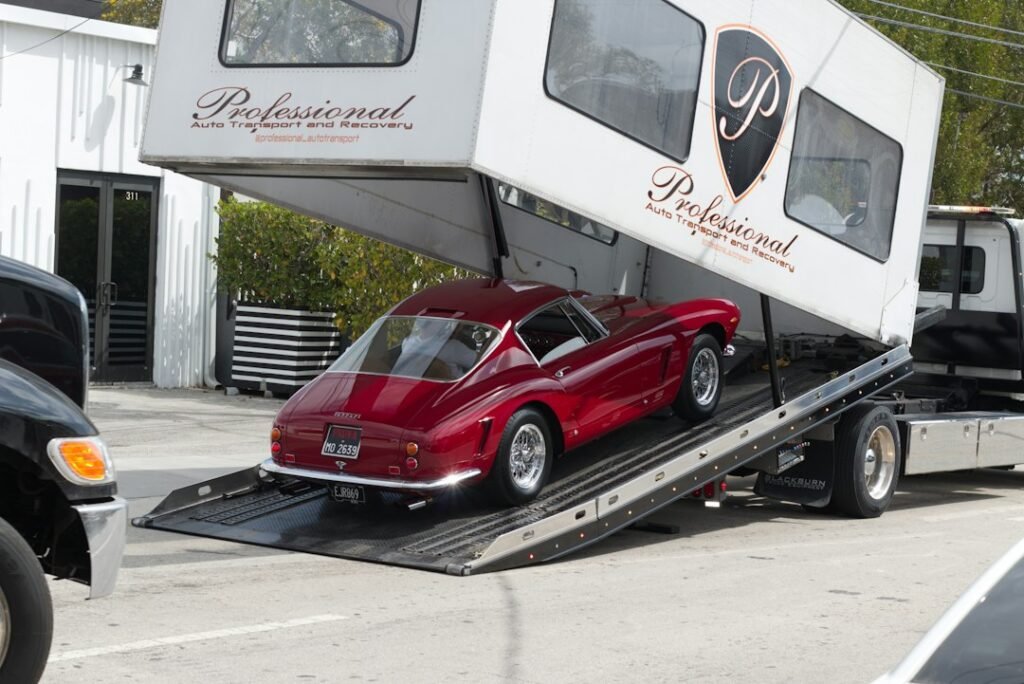
- Classic cars: check for fluid leaks, note any fragile trim and consider enclosed transport. See classic car shipping.
- Exotics and low cars: ask for a liftgate trailer and soft straps. See luxury and exotic car shipping.
- Motorcycles: remove saddlebags and loose accessories, and note existing scratches. See motorcycle shipping.
- Pickups: empty the bed and secure or remove toolboxes and tonneau covers if they are loose.
Frequently asked questions
How much gas should I leave in my car for shipping?
About a quarter tank or less is the common standard. It is enough for loading and unloading and keeps the car lighter.
Can I pack personal items in my car?
Most carriers allow only a small amount, usually in the trunk, and those items are not covered by cargo insurance. Ask your shipper first and never leave valuables.
Do I need to give the driver my title?
For most shipments within the U.S., no. The driver needs a key and a signed Bill of Lading. Some ports and auctions require extra documents, so check with your shipper.
Should I wash my car before shipping?
Yes. A clean car makes the inspection accurate, so existing marks are recorded and any new damage is easy to spot at delivery.
What if my car does not run?
It can still be shipped. Tell your shipper when you book so a carrier with a winch is assigned. An extra fee usually applies.
Your car is ready, so let's get it moving. Get a free quote with no deposit, backed by our Best Price Guarantee.
Updated November 4, 2026