
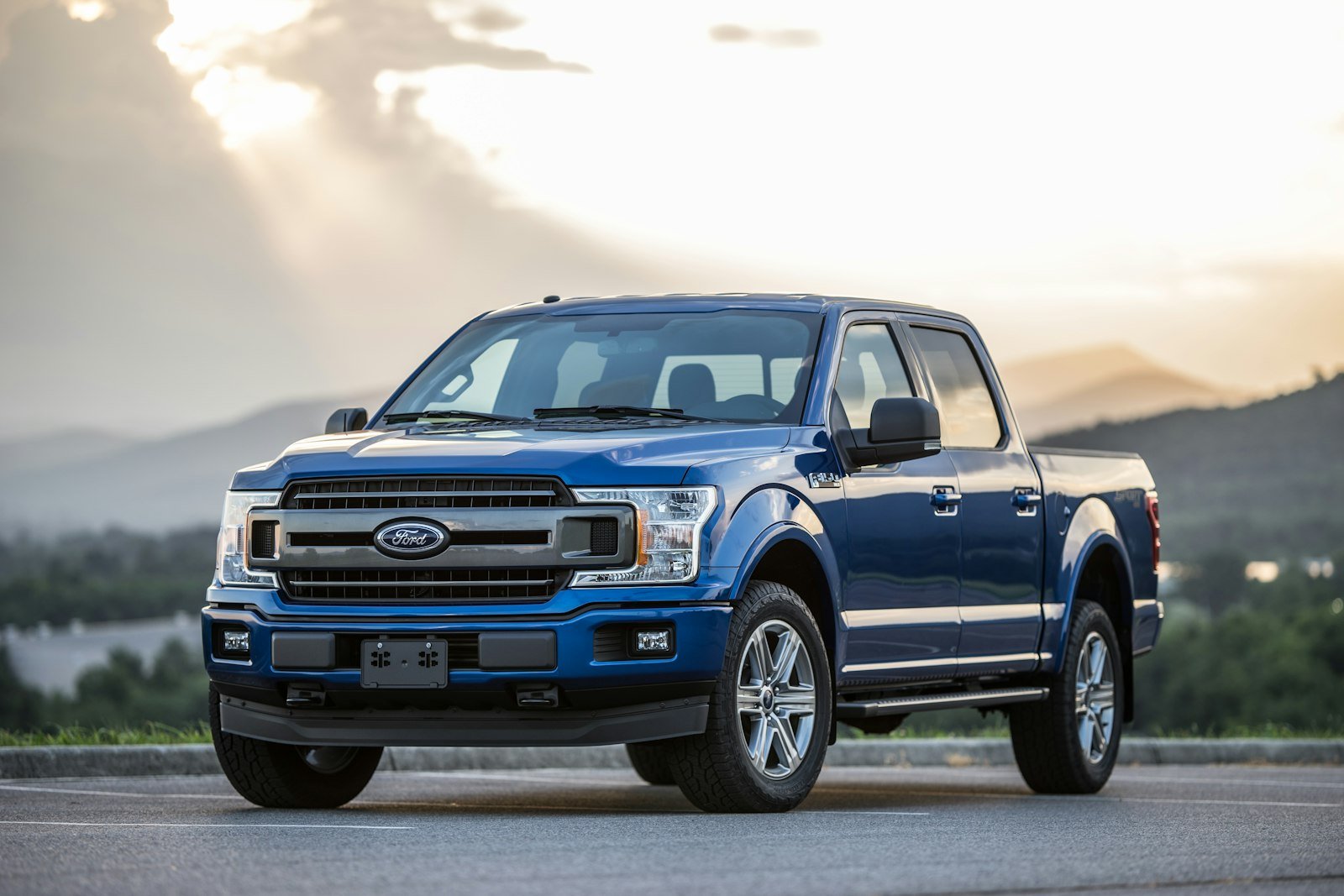
You can ship a lifted truck on a regular car carrier, but you need to give the shipper accurate measurements first. Lift kits, big tires and roof-mounted lights make a truck taller, wider and heavier, which affects which trailer spot it can use and whether the load stays under legal height limits. Expect to pay more than for a stock pickup, often a few hundred dollars more depending on size and route, and allow a little extra time to match with the right carrier.
Key takeaways
- Measure your truck's real height, width and length, including lights, racks and tires, and share them when you get a quote.
- Loaded car carriers typically must stay under a legal height of about 13 feet 6 inches in many states (14 feet in some western states), so tall trucks often ride on the bottom deck or on a specialty trailer.
- Very wide tires or fender flares can push a truck past standard trailer width limits and may require special equipment or permits.
- Lifted trucks usually cost more to ship than stock pickups because they use more space and weight capacity.
- Remove or secure loose accessories, empty the bed and document every modification before pickup.
Why lifted trucks need special planning
A standard open car carrier is built around ordinary cars, SUVs and stock pickups. It has two decks, and the whole loaded rig must fit under bridges, overpasses and state height limits. A lifted truck changes that math in three ways.
Height
A stock full-size pickup is usually around 6 to 6.5 feet tall. Add a 4- to 6-inch lift and 35- or 37-inch tires, and the same truck can approach 7 to 8 feet. A light bar or roof rack adds more. That can be too tall for the top deck of a carrier, so the driver may need to put it on the bottom deck, or use a different trailer altogether.
Width
Under federal rules, commercial trailers are generally limited to 102 inches (8.5 feet) wide on most major highways. Wide tires, aggressive wheel offsets and fender flares can make a truck wider than its stock size. If any part of the truck sticks out past the trailer's sides, it becomes an oversize load, which needs permits and route planning.
Weight
Many full-size pickups already weigh 5,000 pounds or more. Heavy-duty diesel trucks can be much heavier, and bumpers, winches, armor and big tires add more. Carriers have weight limits per axle and for the whole load, so a heavy truck can take the place of more than one car.
What size counts as "oversized"?
There is no single cutoff, because it depends on the carrier's trailer and the route. As a general guide, a pickup or SUV taller than about 7 feet, wider than a stock dually or heavier than a typical heavy-duty truck will be treated as oversized by most carriers. The table below shows common setups.
| Setup | Typical impact on shipping | Likely transport option |
|---|---|---|
| Leveling kit (about 2 inches), stock tires | Little to no change | Standard open carrier, any deck |
| Lift of 3–4 inches, 33–35 inch tires | Taller; may be limited to certain spots | Standard open carrier, often bottom deck |
| Lift of 6 inches or more, 35–40 inch tires | Often over 7 feet tall; oversized pricing | Bottom deck, step-deck or flatbed trailer |
| Wide tires or flares past stock width | May exceed trailer width | Specialty trailer; may need permits |
| Heavy-duty diesel with armor and winch | Heavy; uses more weight capacity | Fewer trucks per load; higher price |
These are general examples. Your actual measurements decide what equipment fits.
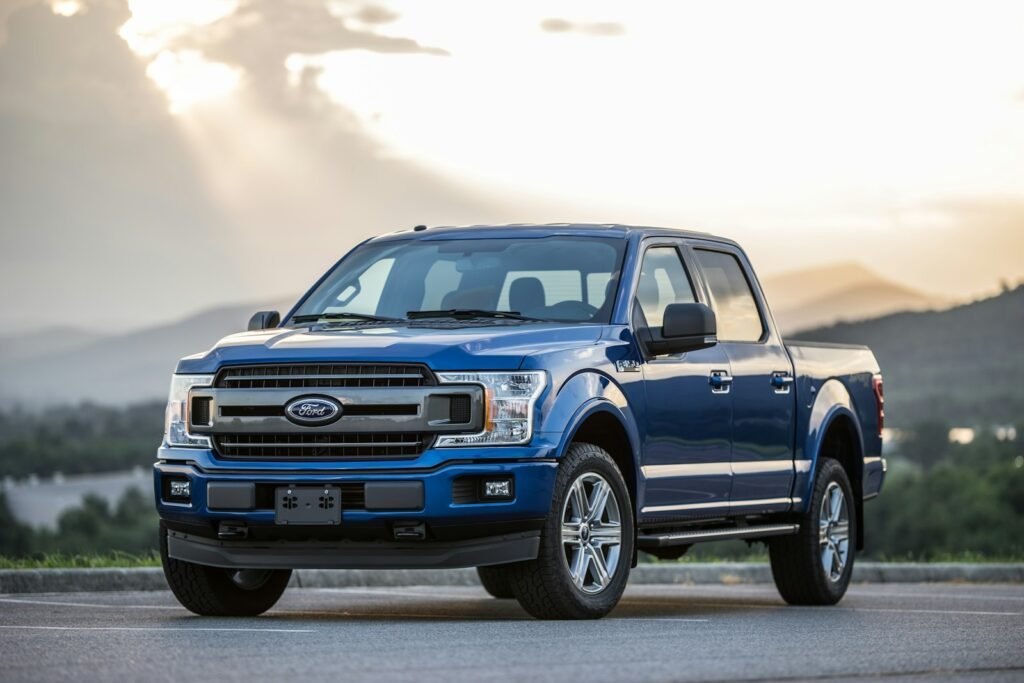
How to measure your lifted truck correctly
Accurate numbers are the single most important step. If the truck shows up taller or wider than quoted, the driver may not be able to load it, which can mean delays and a new price. Measure on level ground with tires at normal pressure.
- Height: Measure from the ground to the highest point. That might be the roof, a light bar, a roof rack, an antenna, a rooftop tent or a bed rack.
- Width: Measure at the widest point, usually the outer tire sidewalls, fender flares or mirrors. Note whether the mirrors fold.
- Length: Measure bumper to bumper, including any spare tire carrier, hitch or winch that sticks out.
- Ground clearance: Not usually a problem for lifted trucks, but note it if you have long running boards or low rock sliders.
- Weight: Find the curb weight in your owner's manual or door sticker, then add a rough estimate for heavy add-ons like steel bumpers and winches.
- List every modification: lift size, tire size, wheels, bumpers, lights and racks.
Share these when you request a quote. Our car shipping cost calculator is a good starting point, and then a coordinator can adjust for your specs.
Transport options for lifted trucks
Standard open carrier (bottom deck)
Many moderately lifted trucks can ride on the bottom deck of a regular open carrier, where there is more clearance. This is usually the most affordable option. Open car shipping is how most pickups move every day.
Step-deck or flatbed trailer
For very tall or wide trucks, a step-deck or flatbed trailer sits low to the ground and has no top deck above the truck. This gives much more height room. These trailers often haul fewer vehicles, so the price is higher.
Enclosed carrier
Enclosed car shipping protects show builds and expensive custom paint. But enclosed trailers have a fixed interior height, and some tall lifted trucks will not fit. Share your height early so your coordinator can find an enclosed trailer that works, if one is available on your route.
Single-vehicle or hotshot trailer
Smaller trailers pulled by a pickup can carry one or a few vehicles. They are flexible and good for tight schedules or rural addresses, but cost more per vehicle.
Learn more about pickups in general on our truck shipping page.
How much does it cost to ship a lifted truck?
For reference, standard cars typically cost about $500–$1,900 on an open carrier and $800–$2,900 enclosed, depending on distance. A lifted truck usually lands higher than a stock pickup on the same route, because it uses more of the trailer's height, space and weight capacity. The extra cost is often a few hundred dollars, but very large builds that need a specialty trailer or permits can cost more.
Price factors include:
- Total height, width and weight.
- Distance and route. Busy interstate routes are cheaper than remote areas.
- Trailer type needed.
- Season and how quickly you need pickup.
- Whether the truck runs and drives.
The best way to avoid surprises is to give exact measurements up front. CTS offers a Best Price Guarantee, so if you get a lower written quote for the same shipment, we will match or beat it.
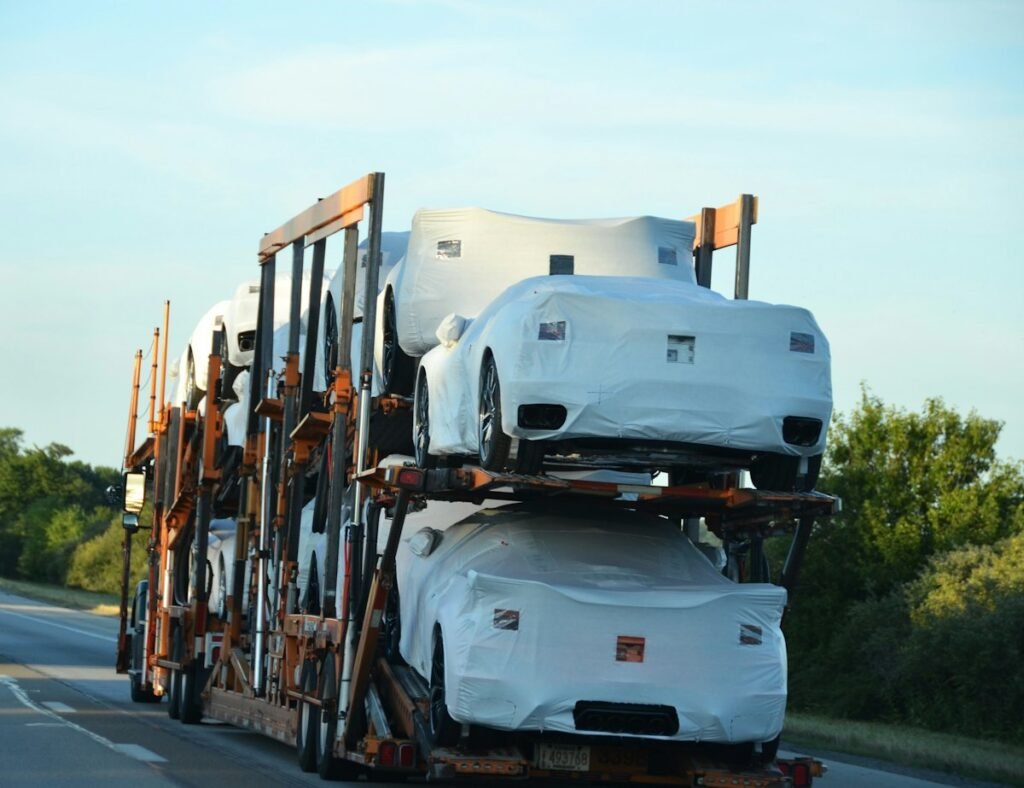
How to prepare a lifted truck for shipping
Lifted trucks often carry more gear than regular cars. Use this checklist along with our standard vehicle shipping checklist.
- Empty the bed. Remove tools, spare parts, coolers and anything loose. Lock or remove toolboxes.
- Remove or secure roof gear. Take off light bars, rooftop tents, cargo baskets and antennas if you can. This also lowers the height and may save money.
- Secure the tonneau cover. Make sure soft or folding covers are latched tight so wind cannot catch them at highway speed.
- Fold mirrors. Towing mirrors in particular should be folded in.
- Check tire pressure. Large off-road tires should be at normal street pressure for safe loading.
- Fix leaks. Carriers often refuse vehicles that drip oil or coolant, since they could drip on vehicles below.
- Leave about a quarter tank of fuel. Extra fuel adds weight.
- Disable the alarm. Give the driver instructions if there is an aftermarket alarm or kill switch.
- Remove toll tags and personal items from the cab.
- Wash and photograph the truck. Take date-stamped photos of every side, the lift components and the wheels.
Note on winches and tie-downs
Point out any parts the driver should not strap to, like aftermarket bumpers, sliders or steering components. Most carriers secure trucks by the wheels or approved points. A short conversation at pickup prevents mistakes.
Pickup, transit and delivery
Pickup works the same as any vehicle. The driver will check the truck's size against what was quoted, inspect it with you and note existing marks on the Bill of Lading. Transit is typically 1–3 days for trips under 500 miles and 7–10 days coast to coast, though finding a trailer for a very tall or wide truck can add a day or two to the pickup window. If you need speed, ask about expedited car shipping.
Most customers choose door-to-door service, but a big carrier needs room. With a tall load, low trees, power lines and parking garages matter too. A large open lot nearby is often the easiest meeting point.
At delivery, inspect the whole truck, including lights and accessories, before you sign.
Questions to ask before you book
A few quick questions help make sure your truck is matched with the right equipment the first time.
- Does the quote include my lift, tire size and accessories, or is it priced as a stock truck?
- What type of trailer will carry my truck, and which deck will it ride on?
- Is the price fixed in writing, or could it change at pickup if the truck is a different size?
- Is the carrier licensed and insured, and what does its cargo coverage include?
- How will the driver secure the truck, and are there any parts they need me to remove?
CTS works with a network of more than 100,000 licensed and insured carriers, and coverage up to $2M is available for high-value builds.
Common mistakes to avoid
- Quoting it as a stock truck. This is the number one cause of pickup problems. Always say the truck is lifted.
- Forgetting roof accessories in the height. A light bar can add several inches.
- Leaving gear in the bed. Loose items can fly out or get damaged, and are generally not covered.
- Booking last-minute. Fewer trailers can take oversized trucks, so earlier booking helps.
Frequently asked questions
Can a lifted truck go on a regular car carrier?
Often, yes, especially on the bottom deck. Very tall or wide trucks may need a step-deck, flatbed or other specialty trailer.
How tall is too tall for a car carrier?
It depends on the trailer, but trucks over about 7 feet tall usually need special placement or a different trailer. The total loaded height must stay within legal limits, which are typically 13 feet 6 inches in many states.
Does shipping a lifted truck cost more?
Usually, yes. It takes more space and weight capacity on the trailer. The extra cost depends on your measurements and route.
Should I remove my light bar before shipping?
If it is easy to remove, yes. It lowers the overall height, protects the light bar from wind and debris, and may help you qualify for a lower price.
Can I ship a lifted truck that doesn't run?
Yes, but tell your coordinator. Inoperable vehicles need a winch, and a heavy lifted truck needs a winch rated for its weight.
Ready to move your build? Get a free quote, share your measurements, and we will match you with a carrier that fits, with $0 deposit and 24/7 in-transit updates.
Updated November 4, 2026