
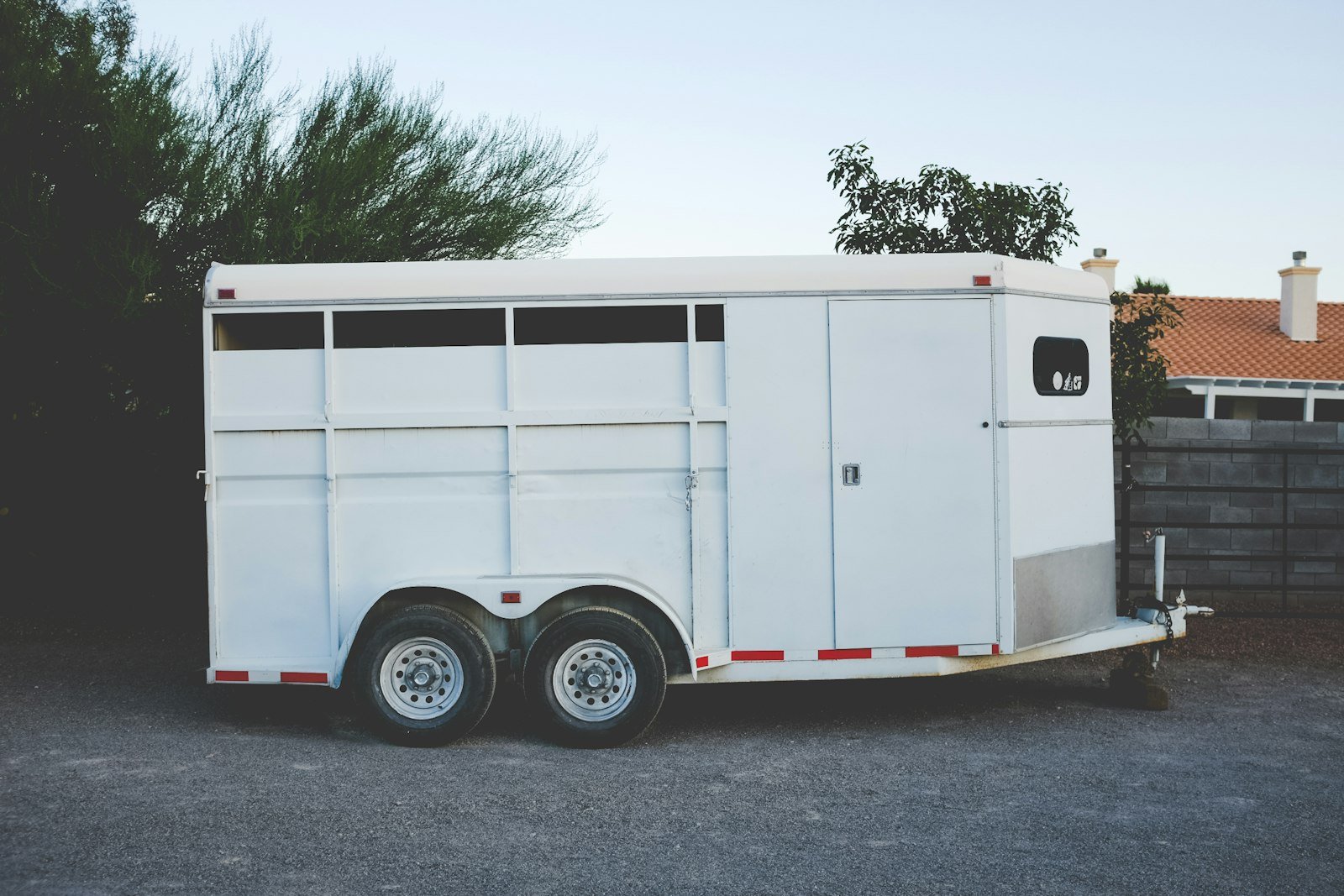
Enclosed auto transport is the safest way to ship a collector vehicle because the car rides inside a covered trailer, away from rain, road debris, dust and prying eyes. For classics, exotics, restored cars and low-mileage keepers, it usually costs a few hundred dollars more than open transport, but it protects paint, chrome and originality that can be very expensive to restore. This guide explains the trailer types, what to ask a carrier, how to prepare the car and how to protect its value.
Key takeaways
- Enclosed transport keeps a collector car out of weather, rock chips and road grime for the whole trip.
- Typical enclosed pricing runs about $800–$2,900, depending on distance, season and trailer type.
- Ask for liftgate loading or low-angle ramps for cars with low ground clearance.
- Confirm the carrier's cargo coverage is high enough for the car's value. Coverage up to $2M is available.
- Document condition in detail before pickup, and inspect again at delivery before signing.
What counts as a collector vehicle?
There is no single legal definition. For shipping, a collector vehicle is any car where condition and originality matter more than everyday use. That includes:
- Classic and vintage cars, from prewar cars to muscle cars and youngtimers.
- Restored and restomod builds with fresh paint and custom work.
- Exotics and supercars, such as limited-production sports cars.
- Low-mileage modern cars kept as investments.
- Show and concours cars headed to events.
- Race and track cars, which may not be street legal or able to drive onto a trailer.
If the car would lose real value from a stone chip or a week of road grime, it is a good candidate for enclosed transport. See our classic car shipping and luxury and exotic car shipping pages for model-specific details.
Enclosed vs. open transport for collector cars
Open carriers move most cars in the U.S. safely, and they cost less. But they leave cars exposed to everything the road throws at them. Enclosed carriers remove that exposure.
| Factor | Open carrier | Enclosed carrier |
|---|---|---|
| Typical price | About $500–$1,900 | About $800–$2,900 |
| Weather protection | None | Full |
| Road debris and chips | Possible | Very unlikely |
| Privacy | Car is visible to everyone | Car is out of sight |
| Cars per load | Often 7–9 | Often 1–7, depending on trailer |
| Low-clearance loading | Standard ramps | Liftgates or low-angle ramps often available |
| Scheduling | More trucks, faster pickup | Fewer trucks, plan a bit earlier |
For a full side-by-side, read our open car shipping and enclosed car shipping guides.
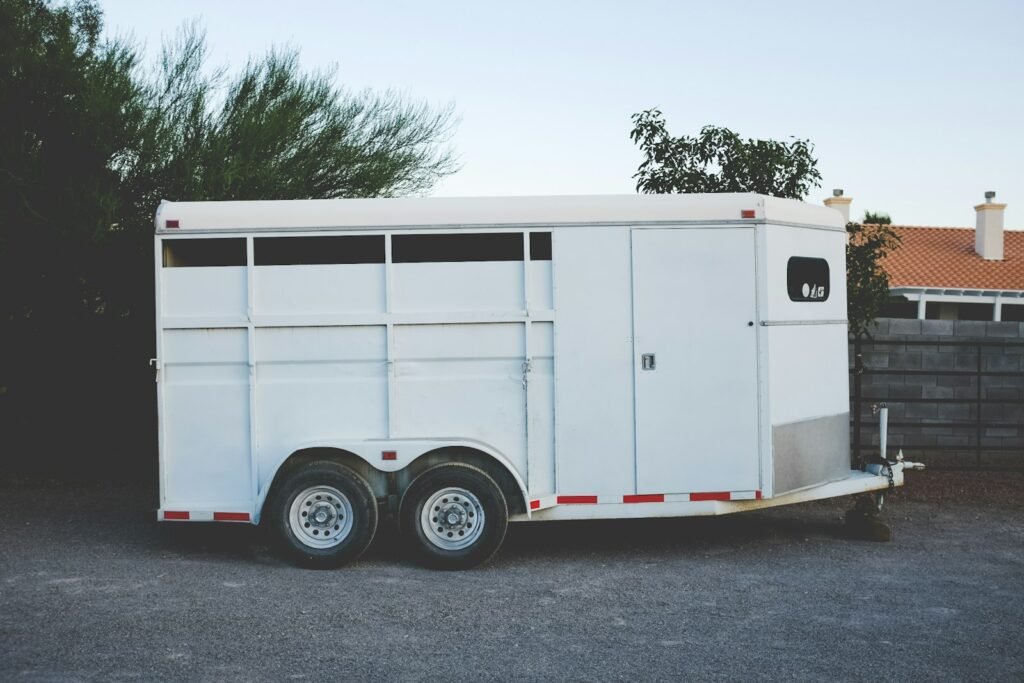
Types of enclosed trailers
"Enclosed" covers a few different setups. Knowing the difference helps you ask the right questions.
Hard-sided trailers
These have solid metal walls and roofs. They give the most protection from weather, debris and impact. Most high-end collector moves use hard-sided trailers.
Soft-sided trailers
These use heavy fabric or vinyl curtains over a frame. They block rain, sun and road dirt well and often cost a little less. They offer less protection from impact than solid walls.
Multi-car enclosed trailers
Large enclosed semitrailers can carry several cars on two levels. They are the most common choice for long-distance collector moves because the cost is shared across cars.
Single-car and two-car enclosed trailers
Smaller trailers pulled by a pickup or medium-duty truck carry one or two cars. They are often used for local moves, event transport and white-glove service where the car goes straight from door to door with no other stops. This is usually the most expensive option.
Loading methods for low and fragile cars
How the car gets onto the trailer is one of the biggest risks in any collector move. Many sports cars and lowered builds have very little ground clearance and long front overhangs. A steep ramp can scrape a splitter, exhaust or oil pan.
- Hydraulic liftgates raise the car on a flat platform with no ramp angle at all. This is the gold standard for low cars.
- Extended or low-angle ramps reduce the approach angle. Wood blocks or race ramps may be added.
- Winch loading is used for non-running cars, with soft straps and a slow, controlled pull.
- Soft tie-downs secure the car by the wheels instead of the frame or suspension, which avoids stressing parts and marking the finish.
Tell your shipper the car's ground clearance, any front lip or splitter, and whether it has a nose-lift system. Those details decide which truck is sent.
Insurance and value protection
All carriers we dispatch are licensed and insured, and their cargo insurance covers damage caused during transport. For collector cars, the question is whether that coverage is high enough.
- Know the car's value. A recent appraisal or agreed-value policy helps.
- Ask for the carrier's cargo limit and make sure it covers the car. Coverage up to $2M is available for high-value shipments.
- Check your own collector policy. Many collector car insurers cover vehicles in transit. Ask yours how it works with the carrier's coverage.
- Get everything in writing, including the pickup condition report.
Keep in mind that cargo insurance usually covers damage from the transport itself. It typically does not cover normal mechanical wear, pre-existing issues or personal items left in the car.
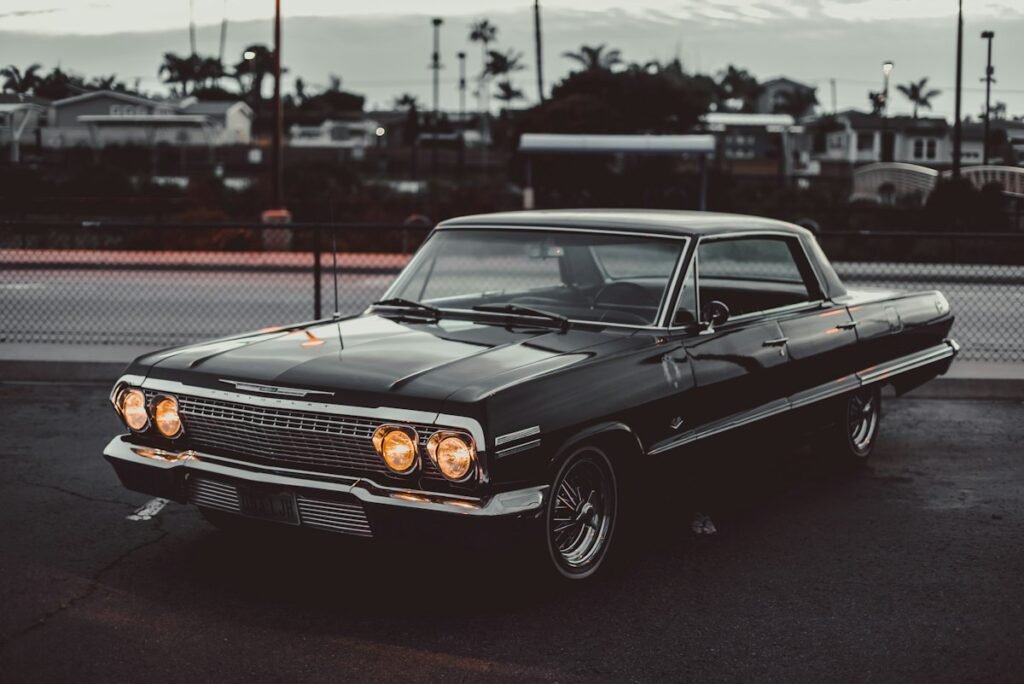
How to prepare a collector car for enclosed transport
Good prep protects you and makes the handoff fast. Use this checklist along with our general vehicle shipping checklist.
- Wash the car so every mark is visible in photos and at inspection.
- Photograph everything. Take detailed, dated photos of all panels, wheels, glass, interior, engine bay and odometer. Short videos help too.
- Note existing flaws, such as stone chips, paint cracks or trim gaps, in writing.
- Check fluids and look for leaks. A leaking car can damage the car parked below it. Fix or disclose leaks.
- Charge the battery or include a jump pack. Classics with weak batteries are a common delay.
- Set tire pressure to normal levels.
- Leave about a quarter tank of fuel. Less is fine for short loading drives.
- Secure or remove loose parts, such as custom spoilers, car covers, antennas and removable tops.
- Disable alarms or give the driver clear instructions.
- Remove personal items and toll tags.
- Write down special instructions, such as a hidden kill switch, choke use, or how to put the car in neutral.
Non-running and project cars
Barn finds and project cars ship enclosed all the time. The car should roll, steer and brake if possible so it can be winched safely. If wheels are locked or missing, tell your shipper so the right equipment is sent.
Cost and timing for enclosed collector moves
Enclosed transport typically runs about $800–$2,900. Prices depend on:
- Distance and route. Major interstate routes cost less per mile than rural ones.
- Trailer type. Single-car or white-glove service costs the most.
- Season. Spring auction and show season, and snowbird migrations, can raise demand.
- Vehicle size and condition. Large or inoperable cars may cost more.
- Timing. A guaranteed delivery date costs more than a flexible window.
Transit is usually 1–3 days for trips under 500 miles and 7–10 days coast to coast. There are fewer enclosed trucks than open ones, so book a little earlier, ideally one to three weeks ahead. Our car shipping cost calculator gives a quick estimate.
Shipping to auctions, shows and buyers
Collector cars often move on a deadline: an auction consignment date, a concours entry or a buyer waiting across the country.
- Auctions: Many collector auctions have strict arrival windows. Share the event check-in rules with your shipper. For buyers picking up afterward, see our guide to auction release documents and gate procedures.
- Shows and events: Ask for a guaranteed delivery date so the car arrives before judging.
- Private sales: Arrange inspection and payment before booking. The seller should be present at pickup or name a contact.
Questions to ask before you book
Not every enclosed move is the same. A few direct questions up front tell you whether the truck and driver fit your car.
- Is the trailer hard-sided or soft-sided? Pick based on the car's value and how much protection you want.
- Does the truck have a liftgate? This matters most for low sports cars and cars with fragile front ends.
- How many other cars will be on the load? Fewer stops can mean less handling and a shorter trip.
- Will my car ride on the top or bottom deck? Some owners prefer the top deck so no other car is parked above theirs.
- What is the carrier's cargo insurance limit? Get it in writing and compare it to the car's value.
- How are cars secured? Look for soft wheel straps or wheel nets rather than chains on the frame.
- Is a guaranteed delivery date available? Useful when the car must arrive for an event.
- How will I get updates? CTS provides 24/7 in-transit updates so you always know where the car is.
A carrier who answers clearly and in detail is usually one who handles collector cars often. Vague answers are a reason to keep asking.
Timing tips for collector car owners
Enclosed trucks are in high demand at certain times of year. Spring and summer bring auction season, car shows and concours events, and many collectors move cars at the same time. Fall and winter bring snowbirds shipping cars to warm states, where open and enclosed capacity both tighten. If your car must arrive by a fixed date, book early and build in a few days of buffer.
Weather also matters at pickup and delivery. Enclosed trailers keep the car dry on the road, but loading in heavy rain or snow still exposes it for a few minutes. If you can, choose a covered spot or garage for the handoff. For snowbird moves, see our snowbird car shipping guide.
Inspection at delivery
Do not rush this step, even if the car looks perfect. Inspect in good light, ideally before dark. Compare the car to your pickup photos and the bill of lading. Check lower panels, front lip and exhaust for scrapes from loading. Note any new damage on the bill of lading before the driver leaves, and take photos. That written note is what supports a claim.
Frequently asked questions
Is enclosed transport worth it for a classic car?
For most classics, yes. The extra cost is usually small compared with what it would take to repair paint, chrome or trim damaged by weather or debris. It also keeps the car out of sight during the trip.
How much does enclosed collector car shipping cost?
Typically about $800–$2,900, depending on distance, season and trailer type. Single-car or white-glove service can cost more.
Can a very low car be loaded safely?
Yes. Ask for a carrier with a hydraulic liftgate or low-angle ramps, and share your car's clearance and front overhang details when you book.
Can I ship a non-running classic in an enclosed trailer?
Yes. Many enclosed carriers have winches. The car should roll and steer if possible. Tell your shipper about its condition in advance.
How do I know the car is covered for its full value?
Ask for the carrier's cargo insurance limit, compare it to the car's value, and check your own collector policy. Coverage up to $2M is available for high-value cars.
Ready to move a car that matters to you? Get a free quote for enclosed transport with no deposit and our 100% satisfaction or money-back promise.
Updated November 4, 2026