
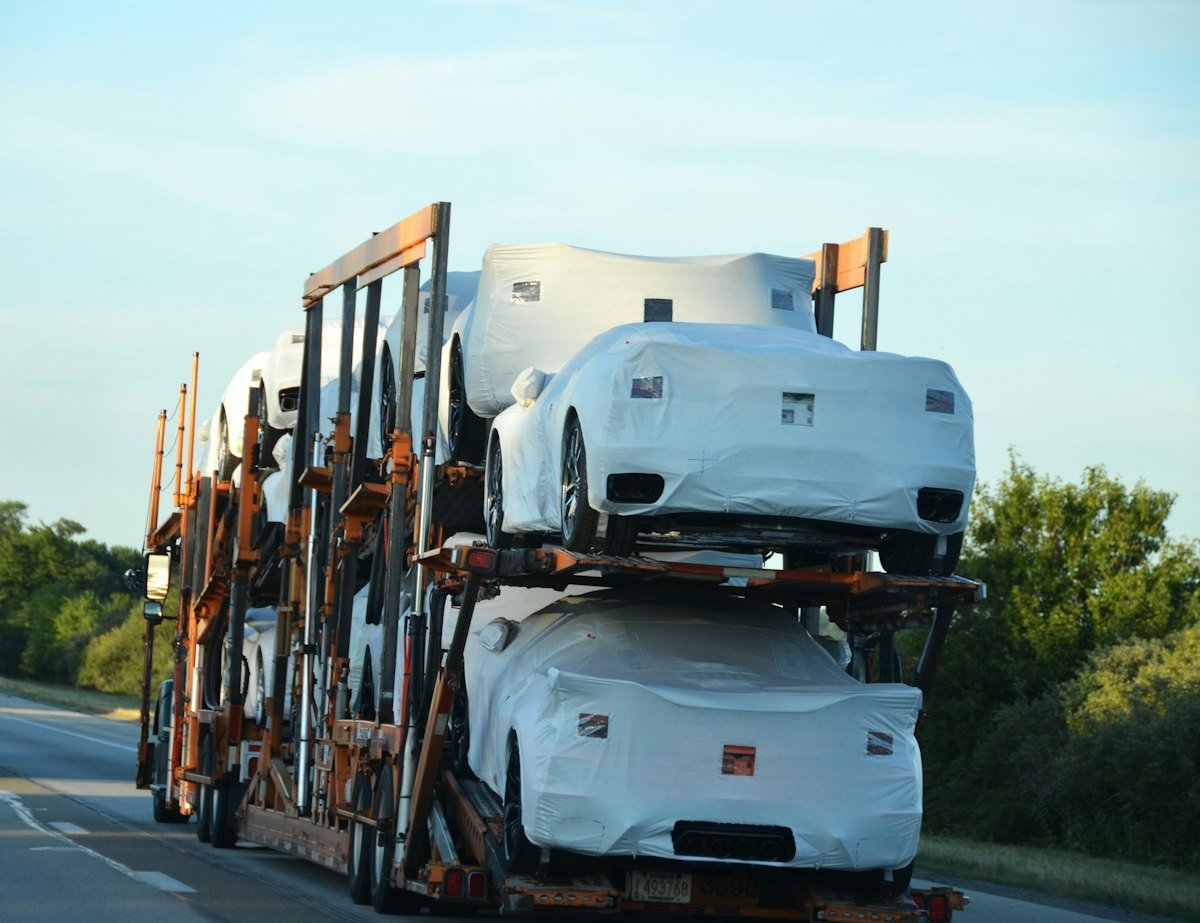
Car transport trucks come in a few main types: large open multi-car carriers that haul about 7–10 vehicles, smaller wedge or gooseneck trailers that carry 2–4, single-car flatbeds for short or non-running moves, and enclosed trailers that fully cover the car. The open multi-car carrier is the most common and cheapest option, while enclosed trucks cost more but protect high-value cars from weather and road debris. The right truck depends on your car, your route, your budget and how much access the truck has at your address.
Key takeaways
- Open multi-car carriers move most cars in the U.S. and usually offer the lowest price, about $500–$1,900 depending on distance.
- Enclosed carriers, about $800–$2,900, are the go-to for exotics, classics and new luxury cars.
- Smaller wedge and gooseneck trailers reach tighter spots and are often used for faster, flexible runs.
- Single-car flatbeds and rollbacks are ideal for short trips and cars that do not run.
- Big trucks can be 70+ feet long, so a nearby open lot is often easier than a narrow residential street.
Why the truck type matters
When you book car shipping, you usually choose between "open" and "enclosed." But behind those two words are several different trucks and trailers, each with strengths and limits. The type affects:
- Price: More cars per truck spreads the cost and lowers your price.
- Protection: Enclosed trailers block weather, dust and rock chips.
- Access: Large rigs may not fit on narrow streets, cul-de-sacs or gated communities.
- Speed and flexibility: Smaller trucks with fewer stops can sometimes move faster.
- Loading method: Ramps, tilt decks, liftgates and winches each suit different cars.
You do not always pick the exact truck yourself. Your broker matches your car to a carrier on your route. Knowing the types helps you ask the right questions. For the full booking process, see how car shipping works.
Open multi-car carriers
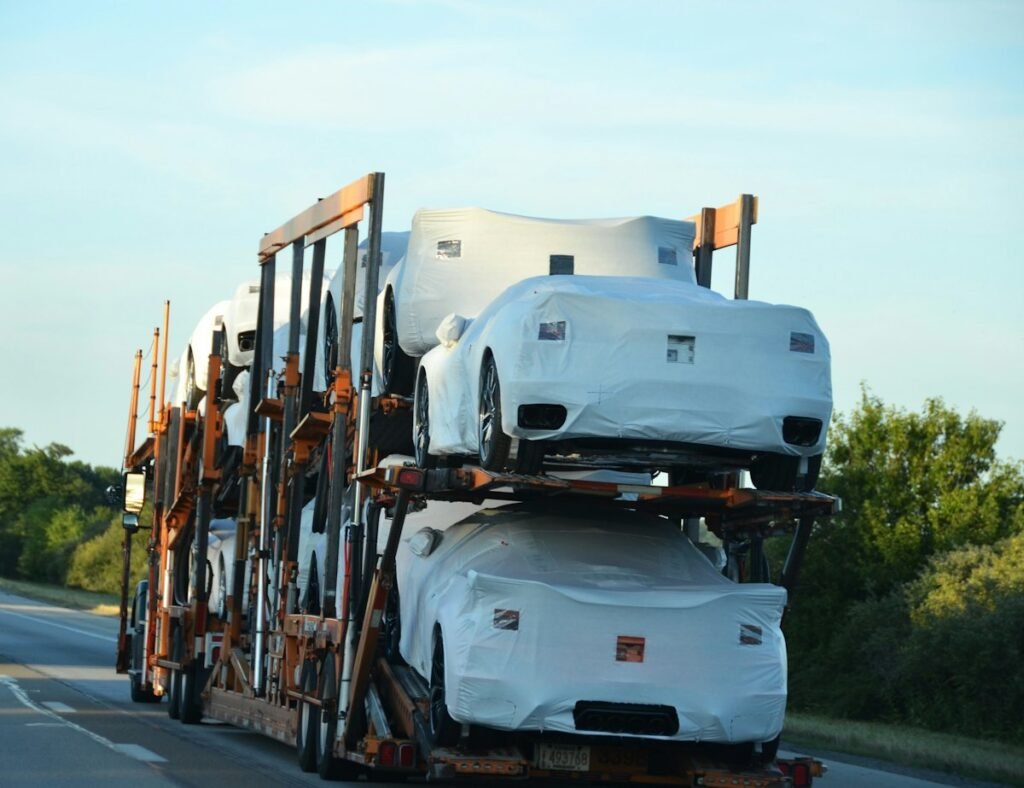
This is the truck most people picture: a tractor pulling a two-level trailer stacked with cars, rolling down the interstate. It is the workhorse of the industry.
Key facts
- Capacity: Usually about 7–10 cars, depending on vehicle size.
- Length: Often 70–80 feet including the tractor.
- Design: Two decks with hydraulic ramps that tilt and lower to load cars on the top and bottom.
- Best for: Everyday cars, SUVs and light trucks on medium and long routes.
How cars are placed on the trailer
Loading an open carrier is a puzzle. The driver plans the order based on each car's size, weight and delivery stop, so the cars coming off first are easiest to reach. Heavier vehicles usually ride on the lower deck, and lighter cars often go up top. Many rigs can also carry a car over the cab of the tractor. This planning is why drivers ask for accurate vehicle details and why a big SUV or modified truck can change the price.
Pros and cons
The big advantage is cost. Sharing the truck with many other cars keeps your price low. These rigs also run the busiest corridors daily, which helps with scheduling. The trade-off is exposure. Your car rides in the open like the cars on the road around it, so a light coat of road dust or a rare rock chip is possible. Cars on the bottom deck can also be exposed to drips from vehicles above.
Tip: if you are worried about drips, ask about top-load placement. Learn more on our open car shipping page.
Wedge, gooseneck and "hotshot" trailers
Smaller open trailers are common for regional runs, quick trips and pickups in places where a full-size rig cannot go.
Wedge trailers
A wedge trailer is a single-level, open trailer whose deck slopes down at the back, like a wedge. It is usually pulled by a heavy-duty pickup, often a dually. Wedge trailers commonly carry about 3–4 cars.
Gooseneck trailers
A gooseneck trailer hooks into the bed of a pickup rather than the bumper. That makes it more stable for heavier loads. Car-hauling goosenecks often carry 2–4 vehicles, sometimes on two levels.
When smaller trailers make sense
- Shorter regional routes and quick turnarounds.
- Neighborhoods with tight streets or low trees.
- Rural pickups away from interstates.
- Time-sensitive moves, such as expedited car shipping, where fewer stops can help.
Because these trailers carry fewer cars, the cost per vehicle can be a little higher on some routes, but the flexibility often makes up for it.
Single-car flatbeds and rollbacks
A flatbed or rollback truck has a bed that tilts and slides back to the ground so a car can be winched or driven on. It is similar to a tow truck and carries one car, sometimes two.
Best uses
- Short local moves, often under a couple hundred miles.
- Non-running or inoperable vehicles that need a winch.
- Last-mile moves from a terminal or dealer to a home.
- Cars with very low ground clearance, since the tilt angle can be gentle.
For long distances, a flatbed carrying a single car is usually more expensive per mile than a multi-car carrier. It shines when access and handling matter more than distance.
Enclosed car carriers
Enclosed trucks fully cover your car with walls and a roof. They are the top choice for high-value, rare or sensitive vehicles. See enclosed car shipping for more details.
Hard-sided enclosed trailers
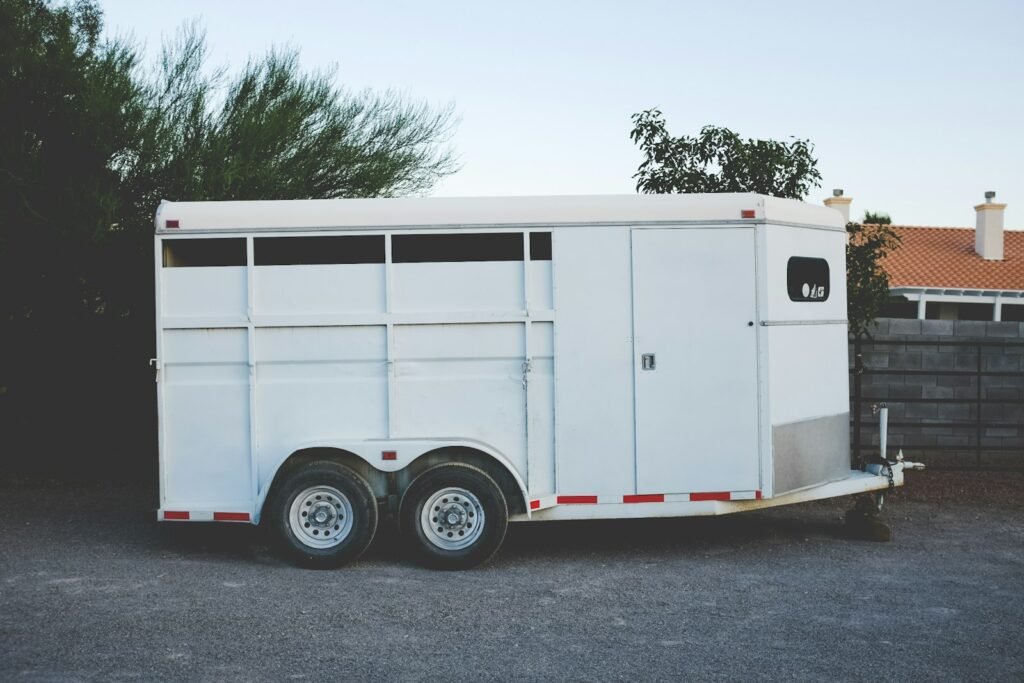
These are box-style trailers with solid walls. Multi-car versions can carry several cars, often on two levels, while smaller gooseneck enclosed trailers carry about 1–3. Many use a hydraulic liftgate that raises the car level instead of driving it up a steep ramp, which protects low front splitters and exhaust.
Soft-sided enclosed trailers
Soft-sided trailers use heavy fabric or vinyl curtains on a frame. They block weather, dust and most debris and are often a bit cheaper than hard-sided units, though they do not offer quite the same impact protection.
Liftgate vs. ramp loading
Ramps are fine for most cars, but the angle can be steep. A car with a low front lip, long overhang or air suspension can scrape on the way up. A liftgate is a flat platform that raises the whole car to deck height, so the car never tilts. If your car sits low, ask for a liftgate carrier when you book. Our guide to exotic car shipping explains why this matters for supercars.
Who should choose enclosed
- Supercars and exotics. See luxury and exotic car shipping.
- Classic, antique and restored cars. See classic car shipping.
- New luxury cars and EVs with premium paint.
- Show cars, race cars and cars with fresh paint or wraps.
- Any car shipped through harsh winter weather where salt and slush are a concern.
CTS uses enclosed transport for supercars and exotics, and coverage up to $2M is available for high-value vehicles.
Side-by-side comparison of car transport trucks
| Truck type | Typical capacity | Protection | Relative cost | Best for |
|---|---|---|---|---|
| Open multi-car carrier | About 7–10 cars | Open to weather and road debris | Lowest | Everyday cars on long routes |
| Wedge or gooseneck (open) | About 2–4 cars | Open | Low to moderate | Regional, tight access, quick runs |
| Flatbed / rollback | 1–2 cars | Open | Moderate to high per mile | Local moves, non-running cars |
| Soft-sided enclosed | Varies | Covered; blocks weather and dust | Higher | Luxury cars on a moderate budget |
| Hard-sided enclosed (often liftgate) | About 1–7 cars | Fully covered; best impact protection | Highest | Exotics, classics, show cars |
Typical prices run about $500–$1,900 for open and $800–$2,900 for enclosed, depending on distance, route, season and vehicle. Try our car shipping cost calculator for a route estimate.
Specialty trucks for unusual vehicles
Not every vehicle fits a standard car hauler.
Large pickups, vans and lifted trucks
Big pickups and full-size vans take more space and weight, which can reduce how many vehicles fit on a load. Lifted or modified trucks may need a specific deck position to stay within height limits. See truck shipping for what changes with larger vehicles.
Oversize and heavy haul
Very tall, wide or heavy vehicles, like dually trucks with tall campers, box trucks or equipment, may need a step-deck or lowboy trailer. These sit lower to the ground to keep the load under height limits. Oversize loads can need special permits and cost more.
Motorcycles
Motorcycles can ride on car carriers in a crate or with special wheel chocks, or on dedicated motorcycle trailers. Our motorcycle shipping guide covers the options.
Size and access: will the truck fit at your address?
A full-size open carrier is long, tall and needs room to turn. Most states limit trucks to about 13.5 to 14 feet tall, and the trailer has to be loaded carefully to stay under that. Drivers also have to follow local rules on residential streets.
- Narrow streets, low trees, tight turns and gated communities can block large rigs.
- Some towns restrict big trucks on residential roads.
- If the truck cannot reach your door, the driver will meet you at a nearby open spot, like a large store parking lot.
- Smaller wedge trailers or flatbeds can often get closer.
This is how door-to-door car shipping works in practice: the driver gets as close as is safe and legal.
How to choose the right truck for your car
- Look at your car's value and finish. Daily driver: open is fine. Exotic, classic or fresh paint: go enclosed.
- Check ground clearance. Low cars benefit from liftgates or gentle tilt decks.
- Consider whether it runs. Non-running cars need a winch, forklift or flatbed.
- Think about access. Tight streets may call for a smaller trailer or a nearby meeting spot.
- Weigh budget against timing. Open multi-car is cheapest; smaller trucks can be more flexible.
- Tell your broker about anything unusual. Lift kits, roof racks, wide tires or low spoilers all affect which truck fits.
Then prep the car with our vehicle shipping checklist.
Frequently asked questions
What is the most common car transport truck?
The open, two-level multi-car carrier. It hauls about 7–10 cars at once and is the most affordable way to ship an everyday vehicle.
Is an enclosed carrier worth the extra cost?
For exotics, classics, new luxury cars and anything with fresh paint, usually yes. For a typical daily driver, open transport is safe and saves money.
Can I request a specific type of truck?
Yes. You can ask for open or enclosed, a liftgate, top-load placement or a smaller trailer for tight access. Some requests can affect price and timing.
What truck is used for a car that does not run?
Non-running cars are often moved on flatbeds or rollbacks with winches, or on carriers that have a winch on board. Tell your shipping company the car does not run so they send the right equipment.
How many cars fit on a car carrier?
A full-size open carrier usually holds about 7–10 cars. Smaller wedge and gooseneck trailers hold about 2–4, and flatbeds carry 1–2. Larger vehicles like full-size pickups and SUVs take up more room, so fewer fit on one load.
Why did the driver ask to meet me at a parking lot?
Large car carriers can be 70+ feet long and may not fit or be allowed on some residential streets. A nearby lot keeps loading safe and legal.
Not sure which truck is right for your car? Tell us what you are shipping and get a free quote. We will match you with the right carrier, backed by our Best Price Guarantee.
Updated November 4, 2026