
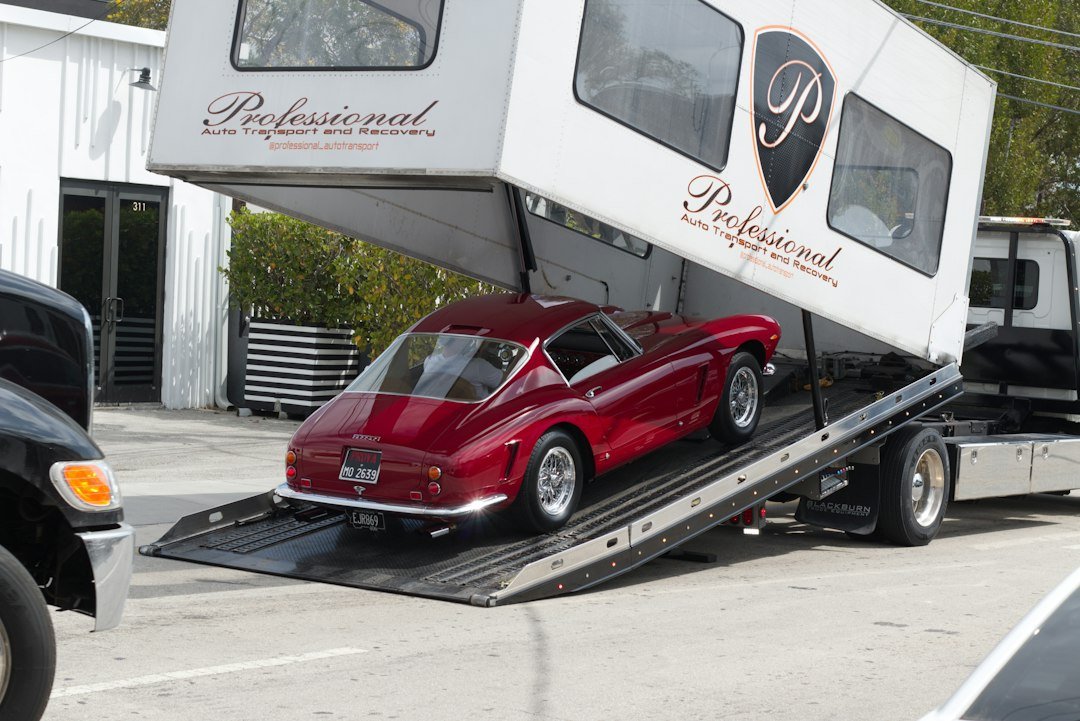
Yes, you can ship a damaged car, including one that was in an accident, has body damage, or won't start. Most carriers will haul it as long as it can roll, brake and steer, and a car that can't be driven is loaded with a winch for an extra fee, usually about $100–$300. The keys to a smooth trip are describing the damage honestly when you book, choosing the right trailer, and documenting the car's condition on the Bill of Lading so pre-existing damage is never confused with new damage.
Key takeaways
- Damaged and non-running cars ship every day to body shops, buyers, salvage yards and owners' homes.
- If the car can roll, brake and steer, a standard open carrier with a winch can usually take it.
- Missing wheels, a locked steering column or a crushed frame may require a flatbed or forklift at both ends.
- Expect an inoperable fee of roughly $100–$300 on top of the normal shipping price.
- Photograph every bit of existing damage and make sure it's marked on the Bill of Lading at pickup.
Common reasons people ship a damaged car
Damaged vehicles move across the country for all kinds of reasons. A few of the most common:
- To a repair shop. Your car broke down or was wrecked far from home and you want your own trusted shop to fix it.
- After an auction purchase. Insurance and salvage auctions sell thousands of damaged cars, and the buyer is often in another state. Our dealer and auction car shipping page covers those pickups.
- Project and restoration cars. Classic cars bought as rebuild projects often don't run. See our classic car shipping options.
- Moving with a car that needs work. You're relocating and don't want to fix the car before the move.
- Selling or scrapping. The buyer, parts yard or recycler is out of reach of a local tow truck.
Whatever the reason, the planning steps are the same.
Running vs. non-running vs. damaged: why the difference matters
Carriers sort vehicles into two main groups: operable and inoperable. That label decides what equipment the driver needs and what you'll pay.
Operable but damaged
The car has dents, broken glass, a cracked bumper or other cosmetic damage, but it starts and drives on and off the trailer. This ships like any other car, at a normal price. Just tell the company about the damage so the driver isn't surprised.
Inoperable (non-running)
The car won't start or can't safely drive itself onto the truck. If it can still roll, brake and steer, a carrier with a winch can pull it onto the trailer. Expect an added fee for the extra time and equipment.
Heavily damaged or "non-rolling"
The car has missing wheels, a locked steering wheel, a seized transmission, or a bent frame or axle. It can't be winched in a straight line. These cars usually need a flatbed, rollback, wheel skates or a forklift at pickup and delivery. Fewer carriers can handle them, so expect a higher price and a longer wait for a truck.
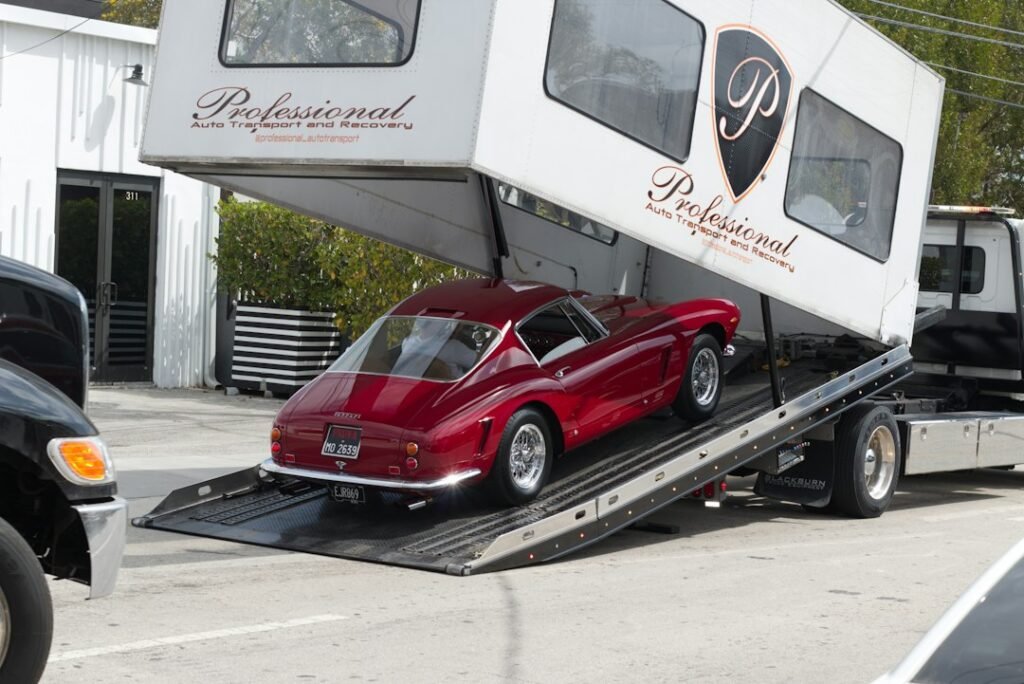
How much does it cost to ship a damaged car?
Damaged car shipping starts with the same pricing as any shipment: distance, route, vehicle size, trailer type and season. Then the condition of the car adds to it. Here are typical ranges. They vary a lot by route and situation, so treat them as a starting point.
| Vehicle condition | What it needs | Typical added cost |
|---|---|---|
| Runs and drives, cosmetic damage | Standard loading | Usually none |
| Won't start, but rolls, brakes and steers | Carrier with a winch | About $100–$300 |
| Won't roll or steer (flat tires, locked wheels) | Wheel skates, extra labor, or a flatbed | Often several hundred dollars more; quoted case by case |
| Missing wheels or major frame damage | Forklift or rollback at both ends | Quoted case by case |
| Oversized damaged truck or SUV | Size surcharge plus inoperable handling | Quoted case by case |
For context, standard open-carrier shipping typically runs about $500–$1,900 depending on distance, and enclosed about $800–$2,900. Our car shipping cost calculator gives a quick estimate for your route, and you can note the car's condition when you request a quote.
Why accurate descriptions save you money
The quickest way to pay more is to call a car "running" when it isn't. If the driver shows up without a winch, the pickup fails. You may face a dry-run fee, a re-booking, and a new truck at a higher price. A clear description up front gets the right truck the first time.
Open or enclosed transport for a damaged car?
Most damaged cars ship on open carriers. It's the most affordable option, and there are far more open trucks on the road, which means faster pickups.
Enclosed transport can make sense when:
- The car has broken windows or a missing roof panel and you want to keep rain and dust out.
- It's a valuable classic or exotic being sent for restoration.
- Exposed interior or electronics could be damaged by weather.
Keep in mind that some enclosed trailers use liftgates, which work well for non-running cars, while others use ramps that need a winch. Ask before booking. If you go open, you can cover broken windows with heavy plastic and strong tape so the interior stays dry. Secure it well so it doesn't flap loose at highway speeds.
Paperwork for shipping a damaged or salvage car
Paperwork for a damaged car is mostly the same as for any shipment, with a few extra points.
Title and ownership
Carriers generally don't need the title to haul a car, but you or the person releasing the car may need to show authorization. Salvage, rebuilt and "parts only" titles can all be shipped. The title brand matters later when you register or insure the car, not during transport.
Release forms for auctions, tow yards and body shops
If the car is at an auction, impound lot, tow yard or repair shop, the driver will need a release or gate pass. Make sure all fees are paid and the release is sent before the pickup date. Storage fees at many yards add up daily, so moving fast can save money.
Insurance claim documents
If the car is part of an insurance claim, keep the claim number handy. Your adjuster may want photos before the car moves or may need to approve where it's going.
Rules for salvage and rebuilt titles differ by state. Many states typically require an inspection before a rebuilt car can be registered for road use. Confirm the exact steps with the DMV in the state where the car will be titled.

Documenting existing damage: the most important step
When you ship a car that's already damaged, your photos and the Bill of Lading protect both you and the driver. A carrier's cargo insurance covers damage that happens during transport. It doesn't cover damage that was already there. If the existing damage isn't recorded, it's hard to prove what changed.
Before pickup
- Take clear, dated photos of every side, corner, the roof, wheels and interior.
- Get close-ups of every dent, crack, scrape and broken part.
- Take a short video walking around the car.
- Note fluid leaks and photograph them.
At pickup
- Walk around the car with the driver during the inspection.
- Make sure every existing damage point is marked on the Bill of Lading (BOL).
- Don't sign a BOL that's blank or missing damage you can see.
- Keep your copy.
At delivery
- Inspect the car before signing, ideally in daylight.
- Compare it to your photos and the pickup BOL.
- Write any new damage on the delivery BOL before signing.
- Take photos right away and contact the company quickly.
Our vehicle shipping checklist goes through this inspection process in more detail.
How to prepare a damaged car for transport
A little preparation keeps the pickup quick and safe. Use this checklist:
- Describe the condition accurately. Does it start? Roll? Brake? Steer? Are all four tires inflated and attached?
- Inflate the tires if possible. Flat tires make winching much harder.
- Secure loose parts. Tape or remove hanging bumpers, trim, mirrors and lights. Anything that can fly off at 65 mph should come off.
- Cover openings. Seal broken windows and open sunroofs with plastic sheeting.
- Deal with leaks. Carriers may refuse cars that leak heavily, since fluids can drip onto vehicles below on a two-level trailer. Fix or contain the leak if you can.
- Disconnect the battery if there's electrical damage. This can prevent shorts or alarms going off.
- Remove personal items and loose debris. Broken glass and loose parts inside can shift.
- Leave the keys. Even a non-running car needs keys so the driver can unlock the steering and shift into neutral.
- Confirm access. The truck needs room to load. A long carrier may not fit down a narrow street, and a forklift may be needed at a yard.
Timing: how long does it take?
Once the car is on the truck, transit times are similar to any other shipment: about 1–3 days for trips under 500 miles and about 7–10 days coast to coast. The difference is usually the wait for pickup. Fewer trucks carry winches, and even fewer can handle cars that won't roll, so finding the right one can take a bit longer, especially in rural areas.
If the car is sitting in a yard racking up storage fees, ask about expedited car shipping. CTS can often arrange same-day pickup in most metro areas, and a guaranteed delivery date option is available.
Mistakes to avoid when shipping a damaged car
- Calling it "running" to get a lower price. It almost always backfires with a failed pickup and extra costs.
- Skipping photos. Without them, a claim for new damage is hard to support.
- Forgetting the release. Auctions, tow yards and shops won't hand over a car without it.
- Leaving loose parts on the car. Debris can damage your car and the ones around it.
- Not checking delivery access. A non-running car needs a spot where it can be winched off safely and pushed to its final place.
Frequently asked questions
Can you ship a car that doesn't run?
Yes. If the car can roll, brake and steer, a carrier with a winch can load it. You'll usually pay an inoperable fee of about $100–$300, though it varies by route and situation.
Will a carrier take a car with a salvage title?
Generally yes. The title brand doesn't usually stop a car from being shipped. What matters for transport is the car's physical condition and having the right release paperwork.
What if my damaged car gets more damage during shipping?
New damage that happens during transport is covered by the carrier's cargo insurance. That's why recording all existing damage on the pickup Bill of Lading matters so much. Note new damage on the delivery BOL before you sign, and report it right away.
Can a car with a missing wheel be shipped?
Yes, but it needs special equipment, like a forklift, wheel skates or a flatbed, at both pickup and delivery. Mention it when you request a quote so the right truck is assigned.
Do I need to be there when the damaged car is picked up?
Someone needs to release the car and sign the Bill of Lading. That can be you, a friend, a body shop or a tow yard, as long as they have the keys and any needed release forms.
Can I ship a car with a broken windshield?
Usually yes. Cover any openings with plastic sheeting to keep weather out, and make sure loose glass is cleaned up so it can't blow out on the highway.
Have a damaged or non-running car that needs to move? Tell us its condition and get a free quote. There's no deposit to book, and we'll find a carrier with the right equipment for the job.
Updated November 4, 2026