
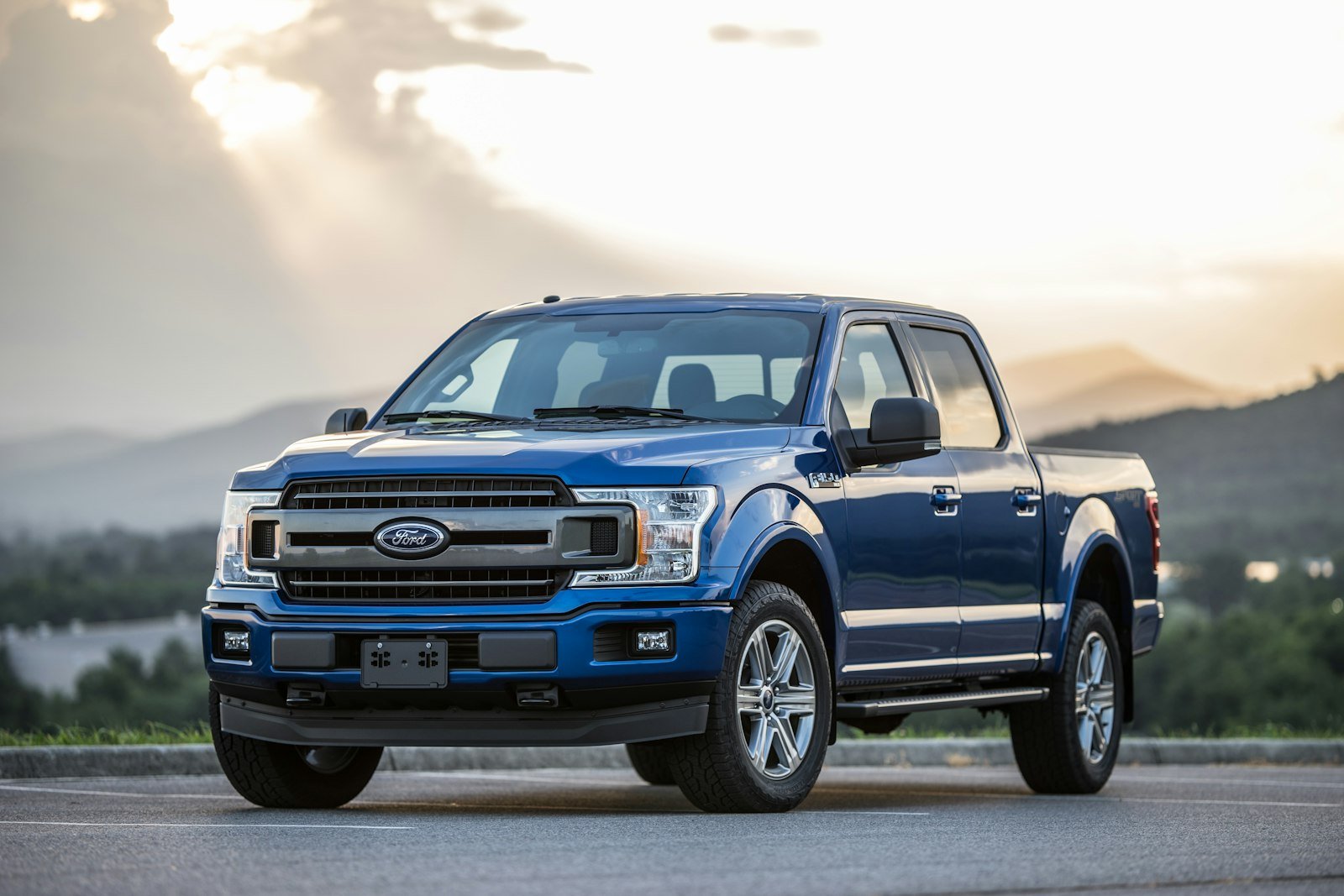
Pickup trucks cost more to ship than most cars because they are longer, taller and heavier, and they take up more space and weight on a car carrier. How much more depends on the exact truck: a midsize crew cab is close to a large SUV, while a heavy-duty dually with a long bed may need special planning. The key to an accurate quote is giving the full details: year, make, model, cab, bed length, drive type, any lift or add-ons, and whether the bed is empty.
Key takeaways
- Truck shipping prices depend on size class: midsize, full-size half-ton and heavy-duty trucks are priced differently.
- Cab style and bed length can change a truck's length by several feet, which affects how many vehicles fit on a load.
- Heavy-duty and dually trucks weigh more and may need bottom-deck spots or a different trailer.
- Lifts, big tires, toppers, racks and tool boxes must be listed or they can change the price on pickup day.
- Most carriers want the bed empty; check limits before you load anything into the cab or bed.
Why pickup trucks cost more to ship
A car carrier is a puzzle of space and weight. A typical open hauler fits several vehicles on two decks, and the driver plans each spot around height, length and weight limits. In many states the legal height for a truck and its load is 13 feet 6 inches, some allow 14 feet, and interstate loads are commonly limited to 80,000 pounds gross unless a permit applies.
A full-size pickup can be as long as a sedan plus several feet, taller than most cars and well over a ton heavier. It may take the space of more than one small car, or force the driver to drop a vehicle from the load to stay legal. Carriers price that lost space and weight into the rate. Our guide on how car shipping works explains the rest of the process.
The four things that drive a truck quote
- Length: set mainly by cab style and bed length.
- Height: stock height plus any lift, tires, racks or toppers.
- Weight: size class, engine, drivetrain and add-ons.
- Width: mostly matters for duallies and trucks with wide flares.
Pickup size classes and how they ship
Here is a general look at the main truck classes. Exact sizes and weights vary by year, trim and options, so check your truck's spec sheet or door-jamb sticker.
| Class | Examples | Approximate curb weight | Typical shipping impact |
|---|---|---|---|
| Midsize | Toyota Tacoma, Chevy Colorado, Ford Ranger, Nissan Frontier | About 4,000 to 4,700 lb | Similar to a large SUV; modest premium over a sedan |
| Full-size half-ton | Ford F-150, Chevy Silverado 1500, Ram 1500, Toyota Tundra | About 4,500 to 6,000 lb | Takes more deck space; often a few hundred dollars more than a sedan |
| Heavy-duty (3/4 and 1 ton) | Ford F-250/F-350, Ram 2500/3500, Silverado 2500HD/3500HD | About 6,000 to 8,000+ lb | Uses much more weight capacity; often a larger premium |
| Dually | F-350 or F-450 DRW, Ram 3500 DRW, Silverado 3500HD DRW | About 7,000 to 9,000+ lb | Extra width and weight; may need specific spots or trailers |
| Electric pickup | F-150 Lightning, Rivian R1T, Silverado EV | About 6,000 to 9,000 lb | Priced more like heavy-duty because of battery weight |
For a standard car, open transport typically runs about $500 to $1,900 depending on distance, route and season. Trucks often fall toward the higher end of that range or above it, depending on class. Our car shipping cost calculator can give you a starting estimate for your route.
Cab style and bed length: the hidden length difference
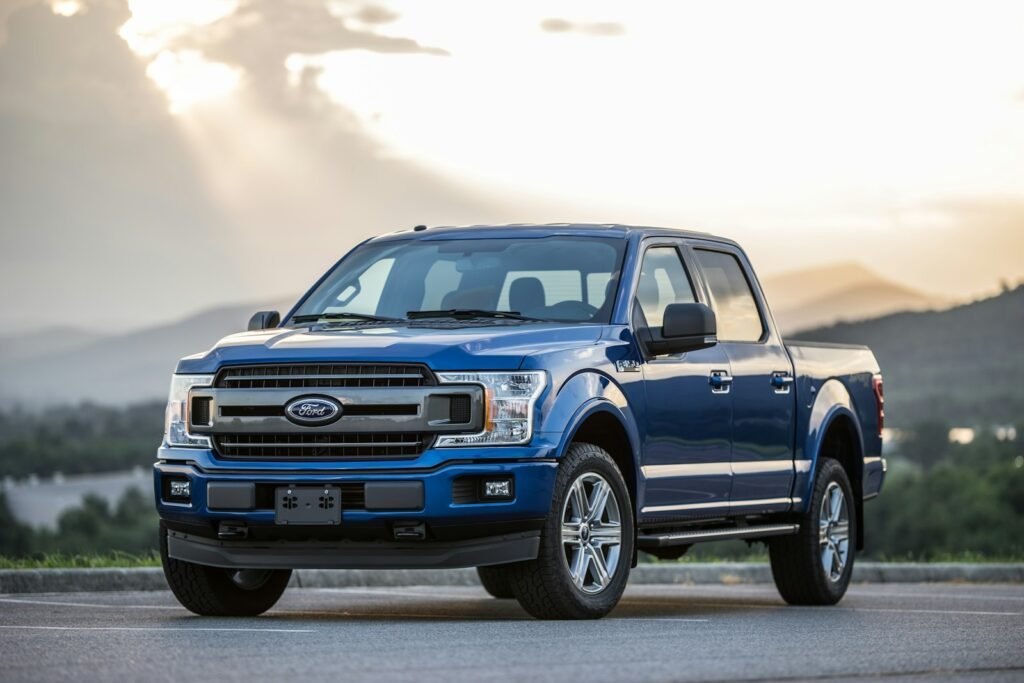
Two trucks with the same name can differ in length by three feet or more. A regular cab with a short bed is much shorter than a crew cab with a long bed. That difference can decide whether a truck fits in a given deck spot.
| Configuration | Rough overall length (full-size) | Notes |
|---|---|---|
| Regular cab, standard bed | About 17.5 to 19 feet | Shortest full-size setup |
| Extended or double cab, standard bed | About 19 to 20 feet | Very common setup |
| Crew cab, short bed | About 19 to 20 feet | Most popular half-ton configuration |
| Crew cab, long bed | About 20.5 to 21.5 feet | Common on heavy-duty trucks |
| Heavy-duty crew cab, long bed, dually | About 21 to 22+ feet | Among the longest pickups on the road |
These are rough ranges for full-size trucks and will vary by brand and year. When you request a quote, include the cab style and bed length, not just "F-250" or "Silverado." It is one of the most common reasons truck quotes change after booking.
Height: lifts, tires and add-ons
Stock full-size pickups are already among the tallest vehicles on a car carrier. Add a lift kit, larger tires or a roof rack, and the truck may no longer fit under the upper deck or within the legal height limit on the top deck.
Common height add-ons to list
- Suspension or body lifts, and how many inches.
- Tire size, especially 33 inches and up.
- Camper shells, toppers or bed caps.
- Ladder racks, overland racks or rooftop tents.
- Light bars, antennas and roof-mounted lights.
Mildly lifted trucks often ship on standard carriers. Heavily lifted trucks may need a bottom-deck spot, a single-level trailer or a smaller hauler, which narrows the pool of carriers and raises the price. We explain this in more detail in our guide to how vehicle modifications affect carrier equipment.
Weight: why heavy-duty trucks cost more
Weight is often the biggest factor for heavy-duty and dually trucks. A 3/4-ton or 1-ton diesel can weigh close to twice as much as a midsize sedan. Every pound counts against the carrier's legal limit and its axle weights, so heavy trucks often ride on the bottom deck and may reduce how many other vehicles fit on the load.
Add-ons make it heavier still. Steel bumpers, winches, fifth-wheel or gooseneck hitches, in-bed fuel tanks and tool boxes can add hundreds of pounds. Mention them all.

What can you leave in the truck bed?
This is a common question, and the answer is usually "less than you hope." Carriers are licensed to haul vehicles, not household goods, and extra weight affects their load limits. Loose items in a bed can also shift or blow out on the highway.
- Bed: most carriers ask for an empty bed. Loose items are not allowed.
- Cab: many carriers allow a small amount of personal items, often around 100 pounds, kept below the window line. Rules vary, so ask first.
- Permanent fixtures: bolted-down tool boxes, bed liners and tonneau covers can usually stay, but list them.
- Insurance: carrier insurance usually covers the vehicle, not personal items inside it.
If you are moving and want to bring belongings, use a moving company or a separate shipment for them. Our car shipping FAQs cover personal item rules in more detail.
Open vs. enclosed transport for pickups
Most pickups ship on open carriers. It is the most affordable option and has the most trucks available. Enclosed transport is worth considering for classic trucks, high-end trims, custom builds or show trucks. Enclosed trailers have less height and weight room than open haulers, so very tall or heavy trucks may have fewer enclosed options. See our enclosed car shipping page and our classic car shipping guide for more.
Checklist: details for an accurate pickup truck quote
- Year, make, model and trim (for example, "F-250 Lariat," not just "Ford truck").
- Cab style: regular, extended or double, crew, or mega cab.
- Bed length: short, standard or long.
- Single rear wheel or dually.
- Gas, diesel, hybrid or electric.
- Any lift, leveling kit or lowering, and tire size.
- Toppers, racks, tool boxes, hitches, bumpers and winches.
- Whether the truck runs, steers and brakes.
- Pickup and delivery addresses with ZIP codes, and your date window.
- Open or enclosed transport.
With these details, the quote reflects the truck you actually have, and the carrier shows up with the right equipment. Before pickup day, run through our vehicle shipping checklist.
Common quote mistakes with trucks
- Leaving off the cab or bed size. A crew cab long bed is a very different load from a regular cab.
- Not mentioning a lift. Even a few inches can change where the truck fits.
- Forgetting about a dually. Duals add width and weight.
- Planning to fill the bed. Extra cargo can be refused at pickup.
- Listing a 4x2 when it is a 4x4. Drivetrains change weight and sometimes height.
Work trucks, fleet trucks and non-running pickups
Work trucks often come with extras that change how they ship. Utility beds, service bodies, headache racks, crane mounts and permanently installed equipment add height, length and weight. List them all, and send photos if you can. A truck with a flatbed or service body may not fit the same deck spot as a standard pickup bed.
If you are moving several trucks at once, say so when you request a quote. Shipping more than one vehicle on the same route can make planning easier for the carrier. For trucks bought from a dealer or auction, our dealer and auction car shipping page explains pickup steps and release paperwork.
Finally, tell the shipper if the truck does not run, steer or brake. A heavy pickup that will not start needs a carrier with a strong winch and extra loading time, which affects both the price and which carriers can take the job.
How CTS ships pickup trucks
At CTS Auto Transport, we ask for your full truck details so the quote matches the truck and the carrier brings the right trailer. We ship everything from midsize pickups to heavy-duty duallies and electric trucks, on open or enclosed carriers, across all 50 states. Learn more on our truck shipping page.
There is no deposit to book, same-day pickup is available in most metros, and our Best Price Guarantee means we will match or beat a lower written quote for the same service. Shipments are arranged by Niki Auto Transport (USDOT 4535689, MC 1799148).
Frequently asked questions
How much does it cost to ship a pickup truck?
It depends on distance, route, season and the truck's size. Midsize pickups often cost a little more than a sedan, while heavy-duty and dually trucks can cost noticeably more. Get a quote with your exact truck details for an accurate price.
Does a lifted truck cost more to ship?
Often, yes. Extra height can limit where the truck fits on the carrier or require a different trailer. A small leveling kit may not change much, but a large lift with big tires usually does.
Can I put stuff in my truck bed when I ship it?
Most carriers require an empty bed. Some allow a small amount of items in the cab, often around 100 pounds below the window line. Always ask first, and remember carrier insurance usually does not cover personal items.
Can you ship a dually truck?
Yes. Dually trucks ship regularly, but their extra width and weight mean the carrier needs to plan for them. Mention that the truck is a dually when you request a quote.
Why did my truck shipping quote change?
The most common reasons are missing details, like the cab style, bed length, a lift or a dually setup. Giving complete information up front is the best way to get a price that holds.
Shipping a pickup across the state or across the country? Get a free quote with your full truck details, and we will give you a price that matches the truck you actually drive.
Updated November 4, 2026