

Yes, you can move to Hawaii with your car. Most people have it trucked to a West Coast port, shipped by ocean carrier to the island they are moving to, then picked up at the destination port and registered with the county within about 30 days. This guide explains how that works, what it typically takes, and what life in Hawaii really costs, from the best islands and towns to jobs, climate and car registration basics.
Key takeaways
- Shipping a car to Hawaii has two legs: overland to a West Coast port, then ocean transport to Honolulu or a neighbor island port.
- Door-to-island shipping commonly takes about 2–4 weeks in total, depending on your starting point, sailing schedules and island.
- Hawaii is one of the most expensive states to live in. Housing, groceries, gas and electricity all cost more than on the mainland.
- After arrival, new residents typically need a Hawaii safety inspection and county registration within about 30 days. Confirm with your county DMV.
- Ports usually require a near-empty tank (about 1/4 or less), no personal items, your title or registration and lender authorization if the car is financed.
Should you bring your car to Hawaii or buy one there?
This is the first question most movers ask. There is no single right answer, but here is how to think about it.
- Ship your car if: it is paid off or close to it, in good shape, fairly new, or something you would have trouble replacing. Used cars in Hawaii often cost more than similar cars on the mainland because the inventory has to be shipped in.
- Sell and buy on the island if: your car is older, has rust or mechanical issues, or is too large for island life. A big truck can be hard to park in Honolulu and costs more to fuel.
Also think about salt air. Coastal living is tough on paint and undercarriages, so an older car with existing rust may not last long. Many island residents prefer smaller, fuel-efficient cars, hybrids and EVs, since driving distances are short and gas prices are high.
Cost of living in Hawaii
Hawaii consistently ranks among the most expensive states in the country. Nearly everything is shipped in, which raises the price of food, building materials, fuel and goods. Electricity rates are also among the highest in the nation.
Main costs to plan for
- Housing: the biggest expense. Rents and home prices are high on every island, and inventory can be tight.
- Groceries: expect to pay noticeably more than on the mainland, especially for imported items. Local farmers markets help.
- Gas and electricity: typically well above national averages. Many homes rely on fans and trade winds instead of A/C to save money.
- Taxes: Hawaii has a state income tax with relatively high rates at upper incomes. Instead of a typical sales tax, it charges a general excise tax (GET) on most business transactions, which is usually passed on to shoppers.
| Island | Main towns | Lifestyle | Relative cost |
|---|---|---|---|
| Oahu | Honolulu, Kailua, Kapolei, Mililani, Ewa Beach | Most jobs, city amenities, military bases, traffic | Very high |
| Maui | Kahului, Wailuku, Kihei, Makawao | Tourism economy, beaches, upcountry farms | Very high, tight housing |
| Hawaii Island (Big Island) | Hilo, Kailua-Kona, Waimea | Space, volcanoes, ranching, slower pace | High, but often the least expensive housing |
| Kauai | Lihue, Kapaa, Princeville | Quiet, lush, small-town living | Very high |
These are broad comparisons. Visit first if you can, and check current rental listings before committing.

Best places to live in Hawaii
Oahu
Oahu is home to most of the state's population and jobs. Honolulu offers city living, Waikiki, universities and hospitals. Kailua and Kaneohe on the windward side are popular with families. Kapolei, Ewa Beach and Mililani offer newer suburbs and more space for the money. Oahu also has several major military bases, so it is the most common destination for service members.
Maui
Maui's economy centers on tourism. Kahului and Wailuku are the main service towns, Kihei has a beach-town feel, and Upcountry areas like Makawao and Pukalani are cooler and more rural. Housing on Maui has been especially tight since the 2023 wildfires, so start your search early.
Hawaii Island (the Big Island)
The Big Island is larger than all the other islands combined. Hilo on the east side is rainy, green and more affordable. Kailua-Kona on the west side is sunny and dry. Waimea, in ranch country, is cooler. Some areas have volcanic activity and vog (volcanic haze), so research your neighborhood carefully.
Kauai
Kauai, the "Garden Isle," is quieter and more rural, with lush valleys and small towns. Jobs are limited outside tourism, healthcare and government, so many residents work remotely.
Jobs and the Hawaii economy
Hawaii's job market is smaller and more focused than most mainland states. Major sectors include:
- Tourism and hospitality: hotels, restaurants, tours and retail are the largest private employers on most islands.
- Military and federal government: Hawaii hosts several major bases, along with many civilian defense jobs.
- Healthcare: hospitals and clinics often recruit nurses and other professionals from the mainland.
- Education: public schools and the University of Hawaii system.
- Construction and trades: steady demand, especially for housing and rebuilding.
- Agriculture: coffee, macadamia nuts, flowers and diversified farming.
Pay may not keep up with living costs in some fields, so compare offers carefully. Many newcomers line up a job or bring remote work before they move.
Hawaii climate and your car
Hawaii is warm year-round, with sea-level temperatures that usually stay in the 70s and 80s. The windward (northeast) sides of the islands get more rain, while leeward (southwest) sides are drier and sunnier. Higher elevations can be much cooler. Hurricane season runs from June through November, though direct hits are rare.
Protecting your car in island conditions
- Wash your car often, including the underbody, to fight salt-air corrosion.
- Use a sunshade and park in the shade when possible. Strong sun fades paint and cracks dashboards.
- Wax regularly and consider a ceramic coating on newer cars.
- Check wipers and tires before rainy season on the windward side.
How shipping a car to Hawaii works
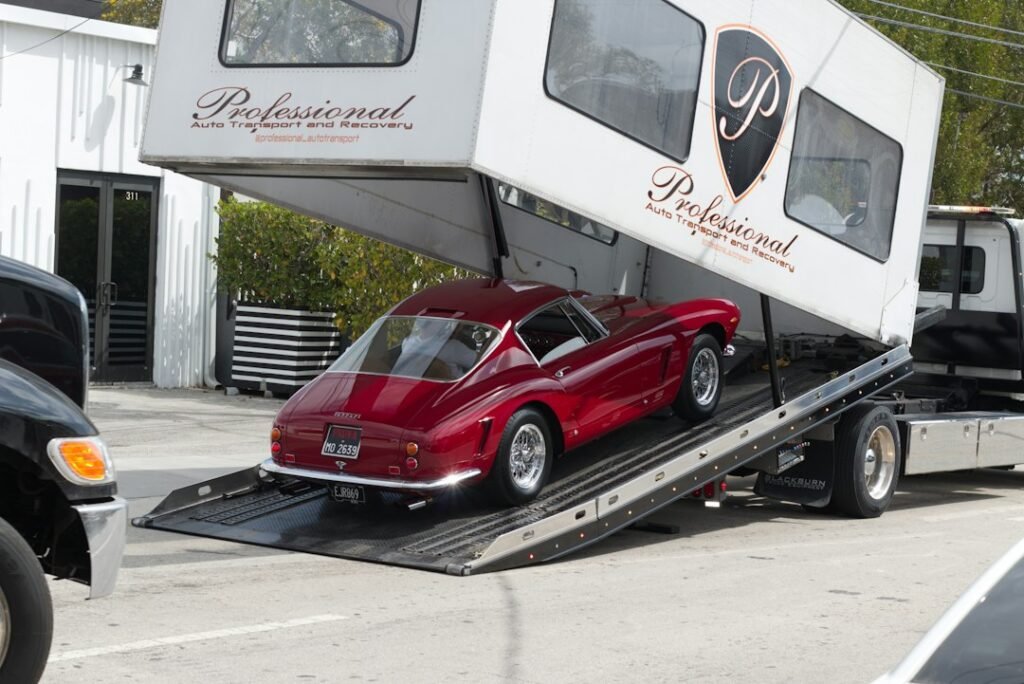
Shipping a car to Hawaii is different from a mainland move because your car has to cross the ocean. With Hawaii car shipping, the process usually looks like this:
- Get a quote and book. Tell us your pickup address, destination island and vehicle details.
- Overland transport to a West Coast port. A truck carrier picks your car up from your home and delivers it to a port in California or the Pacific Northwest. You can also drop it at the port yourself if you live nearby.
- Port drop-off and inspection. The port checks your paperwork and inspects the car's condition.
- Ocean transit. Cars usually sail on roll-on/roll-off vessels, driven on and off the ship. The ocean leg to Honolulu often takes about 1–2 weeks, depending on the sailing schedule. Neighbor island deliveries can take longer.
- Island pickup. You pick up your car at the destination port in Honolulu, Kahului, Hilo, Kona or Nawiliwili, with photo ID and your paperwork.
Want to understand each step in more detail? See how car shipping works.
Typical timeline
| Stage | Typical time | Notes |
|---|---|---|
| Overland to West Coast port | 1–10 days | Longer from the East Coast or Southeast; same-day pickup is available in most metros |
| Waiting for sailing | A few days | Depends on the vessel schedule |
| Ocean transit to Oahu | About 1–2 weeks | Neighbor islands may add time |
| Port release on arrival | 1–3 days | Bring ID and your booking paperwork |
| Total (typical) | About 2–4 weeks | Varies by route, season and island |
What does it cost?
Hawaii shipping usually costs more than a typical mainland move because it combines a truck leg and an ocean leg. Your price depends on how far you are from the port, your vehicle's size, the destination island and the time of year. Shipping from a home near a West Coast port to Honolulu costs the least. Shipping from the East Coast to a neighbor island costs the most. The best way to know is to request a quote for your exact addresses.
Hawaii car-shipping checklist
Ports enforce their rules strictly, and a missing document can delay your sailing. Confirm the exact requirements when you book, but most shippers can expect to need:
- A valid photo ID that matches the name on the registration, or a signed authorization if someone else drops off the car.
- Current registration and title. If the car is financed or leased, a written authorization letter from the lienholder allowing the car to be shipped to Hawaii.
- A fuel tank that is about 1/4 full or less.
- No personal items or cargo inside the car, except standard equipment like a spare tire and jack.
- A clean car, inside and out, so the condition can be inspected and recorded.
- Car alarms disabled or able to be turned off.
- Dated photos of every side of the car before pickup.
- Your own copy of the Bill of Lading or dock receipt.
Our vehicle shipping checklist covers general prep, and our car shipping FAQs answer common questions.
Military moves
Service members with PCS orders to Hawaii may be eligible to have one vehicle shipped by the government. If you have a second car or want door-to-port service, see our military car shipping page and check your entitlement with your transportation office.
Luxury, classic and EVs
If your car is high-value, consider enclosed car shipping for the overland leg to the port. For EVs, ports often have charge-level rules, so ask about the current limit when you book.
Registering your car in Hawaii (the basics)
In Hawaii, vehicles are registered by each county: the City and County of Honolulu, Maui County, Hawaii County and Kauai County. Rules can change and vary by county, so always confirm with your county's motor vehicle office. In general, new residents can expect:
- Safety inspection first: your car typically needs to pass a Hawaii safety inspection at a certified station before you can register it.
- Deadline: vehicles brought into Hawaii typically must be registered within about 30 days of arrival.
- Documents: expect to bring your shipping document (such as the Bill of Lading), out-of-state title and registration (or lienholder information), the safety inspection certificate and ID. Some counties may ask for additional details, such as vehicle weight.
- Fees: registration fees and weight taxes vary by county and vehicle weight.
- Insurance: you will need a Hawaii auto insurance policy. Hawaii is a no-fault state, so coverage requirements differ from many mainland states.
Keep your shipping paperwork. The arrival date on it is often used to measure your registration deadline.
Shipping your car to Hawaii with CTS Auto Transport
CTS Auto Transport serves all 50 states, including Hawaii. You can book with $0 deposit, your quote is backed by our Best Price Guarantee, and you get 24/7 updates while your car is on the move. Shipments are arranged by Niki Auto Transport (USDOT 4535689, MC 1799148).
Frequently asked questions
How long does it take to ship a car to Hawaii?
Most shipments take about 2–4 weeks from pickup on the mainland to arrival in Hawaii. The ocean leg alone often takes about 1–2 weeks, and neighbor islands may take longer.
Can I pack things inside my car when shipping to Hawaii?
Generally no. Ports typically require the car to be empty except for standard equipment like a spare tire and jack. Ship household goods separately.
Can I ship a financed or leased car to Hawaii?
Usually yes, but you will typically need a written authorization letter from your lender or leasing company. Request it early, since it can take a while to arrive.
Do I have to register my car right away in Hawaii?
Vehicles brought to Hawaii typically must pass a safety inspection and be registered within about 30 days of arrival. Check with your county DMV for current rules.
Is it cheaper to buy a car in Hawaii instead?
Not usually. Cars on the islands often cost more than similar cars on the mainland. If your car is in good shape, shipping it is often the better value.
Ready to bring your car to the islands? Get a free quote for your move to Hawaii, with no deposit required.
Updated November 4, 2026