

Moving to California in 2026 means trading higher costs for great weather, world-class jobs and some of the best scenery in the country. Housing and taxes are steep in most coastal areas, and California has stricter vehicle rules than most states, including smog checks and a short registration deadline. This guide covers cost of living, the best cities, jobs, climate, DMV basics and how to ship your car to California.
Key takeaways
- California is one of the most expensive states, mainly due to housing. Inland areas like Sacramento and parts of the Central Valley cost less.
- Top destinations include Los Angeles, San Diego, the San Francisco Bay Area, Sacramento and Orange County.
- New residents typically must register their car within 20 days and get a California license within 10 days. Confirm with the California DMV.
- Most out-of-state vehicles need a smog check and a VIN verification before they can be registered.
- Shipping a car to California typically costs $500–$1,900 on an open carrier and 7–10 days from the East Coast.
Why people move to California
California has a little of everything: beaches, mountains, deserts, wine country and some of the biggest cities in the U.S. It is home to major tech, entertainment, farming and trade industries, which means lots of high-paying jobs.
The weather is a big reason, too. Coastal Southern California is mild most of the year, and you can surf and ski in the same weekend. For many movers, those trade-offs are worth the higher bills.
Cost of living in California
California's cost of living is well above the national average in most popular areas. Housing is the main driver, but taxes, gas and insurance add up too.
Housing
Rents and home prices in the Bay Area, Los Angeles, Orange County and San Diego are among the highest in the country. Many people save money by living inland, in places like Sacramento, the Inland Empire (Riverside and San Bernardino) or the Central Valley. Commutes can be long, so weigh time against savings.
Taxes
California has a progressive state income tax, with top rates that are the highest in the nation. The statewide base sales tax rate is 7.25%, and local add-ons push it higher in many cities. Property taxes are limited by Proposition 13, which sets the base rate at 1% of a home's assessed value plus local charges and caps how fast the assessed value can rise each year. That helps long-time owners, but new buyers pay tax on today's higher prices.
Gas, insurance and car costs
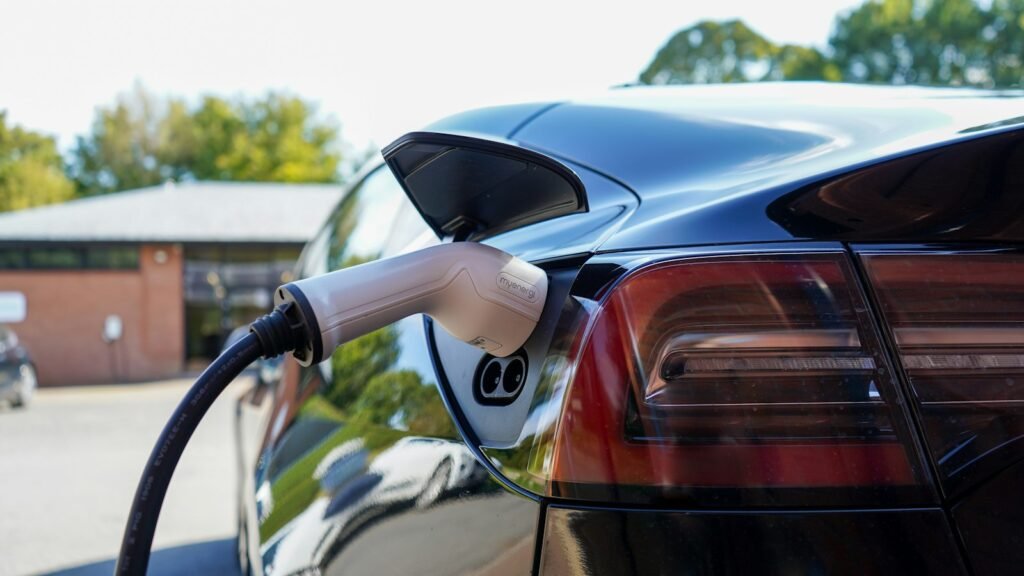
Gas prices in California are usually among the highest in the U.S. because of state taxes and special fuel blends. Registration fees are also higher than in many states because they include a vehicle license fee based on your car's value. If you are thinking about an electric vehicle, California has a large charging network, and many movers make the switch.

Best cities in California to move to
California is huge, and each region feels like its own state. Here is a quick comparison.
| City / region | Best for | Things to know |
|---|---|---|
| Los Angeles | Entertainment, creative jobs, diverse neighborhoods | Heavy traffic; neighborhoods vary a lot in cost |
| San Diego | Mild weather, beaches, military and biotech jobs | High housing costs; very car-dependent outside downtown |
| San Francisco Bay Area | Tech careers, high salaries, culture | Highest housing costs in the state; cool, foggy summers on the coast |
| Sacramento | Lower cost, government jobs, central location | Hot summers; about 90 miles from the Bay Area |
| Orange County (Irvine, Huntington Beach) | Families, safety, beaches, planned communities | Expensive; HOA fees are common |
| Inland Empire and Central Valley | Affordability, more space | Hot summers, longer commutes to coastal jobs |
Los Angeles
LA is a collection of very different neighborhoods spread over a huge area. Where you live will shape your commute more than anything, so try to live near work. LA is the heart of film, TV and music, and it also has big ports, aerospace and healthcare employers.
San Diego
San Diego is known for some of the best weather in the country. It has a big Navy and Marine Corps presence, plus a strong biotech and research scene. Military families moving here should look at our military car shipping options.
Sacramento
Sacramento, the state capital, is a popular choice for people priced out of the Bay Area. It offers more space for the money, a growing food scene and quick drives to Lake Tahoe and wine country.
Jobs and the California economy
California has the largest state economy in the U.S. Key industries include:
- Technology: Silicon Valley, San Francisco and growing tech scenes in LA and San Diego.
- Entertainment and media: film, TV, music and gaming, centered in Los Angeles.
- Agriculture: the Central Valley grows a large share of the nation's fruits, nuts and vegetables.
- Trade and logistics: the ports of Los Angeles and Long Beach are among the busiest in the country.
- Healthcare, biotech and clean energy: strong in San Diego, the Bay Area and beyond.
Salaries are often higher than in other states, but so are costs. When comparing job offers, factor in housing and commute, not just pay.
California climate
California's climate ranges from foggy coastlines to snowy mountains to hot deserts.
- Coast: mild all year, with cool mornings and little rain in summer.
- Inland valleys: hot, dry summers, often over 100°F in places like Sacramento, Fresno and Riverside.
- Mountains: heavy snow in the Sierra Nevada in winter. Chain controls are common on mountain passes.
- Wildfire season: fire risk is highest in late summer and fall. Check fire risk and insurance before you buy a home.
- Earthquakes: they can happen anywhere in the state, so keep an emergency kit at home and in your car.
Most of California gets the majority of its rain between November and March. Summer moves are usually the easiest weather-wise for car shipping.
Driving, registration and your California license
California's vehicle rules are stricter than most states, and the deadlines are short. Use this as a starting point and confirm everything with the California Department of Motor Vehicles (DMV).
Registering your car
New residents typically must register their vehicle within 20 days of becoming a resident or taking a job in California. The process usually includes:
- A smog check at a licensed station for most gas vehicles. Electric vehicles and some very old cars are typically exempt.
- A VIN verification, which can usually be done at the DMV or by certain authorized officers.
- Your out-of-state title and registration, or lender details if the car is financed.
- Proof of California auto insurance.
- Payment of registration fees, which may include use tax if you bought the car shortly before moving.
California has its own emissions standards. Most cars sold in the U.S. today meet them, but some newer vehicles bought out of state may not qualify for registration. If your car is very new, check its emissions label and ask the DMV before you move.
Getting a California driver license
New residents typically need to get a California driver license within 10 days. You will usually take a written knowledge test, and you can apply for a REAL ID at the same time. Book a DMV appointment online, since walk-in waits can be long.
California new-resident checklist
- Switch to a California auto insurance policy.
- Get a smog check if your vehicle requires one.
- Book a DMV appointment for registration and VIN verification (typically within 20 days).
- Apply for your California driver license (typically within 10 days).
- Get a FasTrak transponder if you will use Bay Area bridges or Southern California toll lanes.
- Update your address with the USPS, IRS and your bank.
Planning your California move timeline
- 6–8 weeks out: compare neighborhoods, check commute times at rush hour, and get renters or homeowners insurance quotes, including wildfire coverage where it applies.
- 3–4 weeks out: book your car shipment and movers. Summer is the busiest season.
- First week after arrival: switch your insurance, get a smog check and book your DMV appointment so you meet the short deadlines.
How to ship your car to California
Driving to California from the East Coast is about 2,500–3,000 miles, which can take most of a week. Shipping lets you fly in and have your car arrive ready to go. See our California car shipping page and our guide to cross-country car shipping for route details.
Choosing a transport type
Most movers choose open transport, the most affordable option. If you are moving a high-end car, consider enclosed shipping. Electric vehicles are easy to ship too; learn the basics on our EV shipping page.
Typical cost and transit times
| Shipping to California from | Typical open price | Typical transit time |
|---|---|---|
| Within California or a neighboring state (under 500 miles) | $500–$900 | 1–3 days |
| Texas, Colorado or the Northwest (500–1,500 miles) | $800–$1,400 | 3–6 days |
| Midwest, Southeast or Northeast (2,000+ miles) | $1,200–$1,900 | 7–10 days |
These are typical ranges, and real prices vary with season, fuel costs and vehicle size. Enclosed shipping typically runs $800–$2,900. For a quick estimate, try our car shipping cost calculator.
Helpful tips
- Schedule your smog check soon after arrival so you can meet the registration deadline.
- Remove personal items and leave about a quarter tank of fuel. For EVs, a partial charge is usually best.
- Take dated photos before pickup and review the inspection report at delivery.
CTS Auto Transport offers $0 deposit booking, 24/7 in-transit updates and a Best Price Guarantee on every California shipment.
Frequently asked questions
How long do I have to register my car in California after moving?
New residents typically have 20 days after becoming a resident or getting a job in California. Confirm the latest rules with the California DMV.
Do I need a smog check to register an out-of-state car in California?
Most gas-powered vehicles coming from another state need a smog check before registration. Electric vehicles and some older vehicles are typically exempt. Check with the DMV for your specific car.
What is the most affordable place to live in California?
Inland areas such as Sacramento, Fresno, Bakersfield and the Inland Empire are usually more affordable than the coast. They also tend to have hotter summers.
How much does it cost to ship a car to California?
Typical open-carrier prices range from about $500 for short trips to about $1,900 for cross-country moves. Enclosed shipping costs more.
Can I ship my car to California before I move?
Yes. Many people ship their car to a friend, family member or their new address and have someone receive it. Just make sure an adult can sign at delivery.
Should I sell my car before moving to California?
Not usually. Most cars can be registered in California after a smog check and VIN verification. Selling and rebuying often costs more than shipping, especially with California's higher car prices and sales tax. The main exception is a very new out-of-state car that may not meet California emissions rules, so check with the DMV first.
Ready to head west? Tell us your route and timing and get a free quote for shipping your car to California.
Updated November 4, 2026