
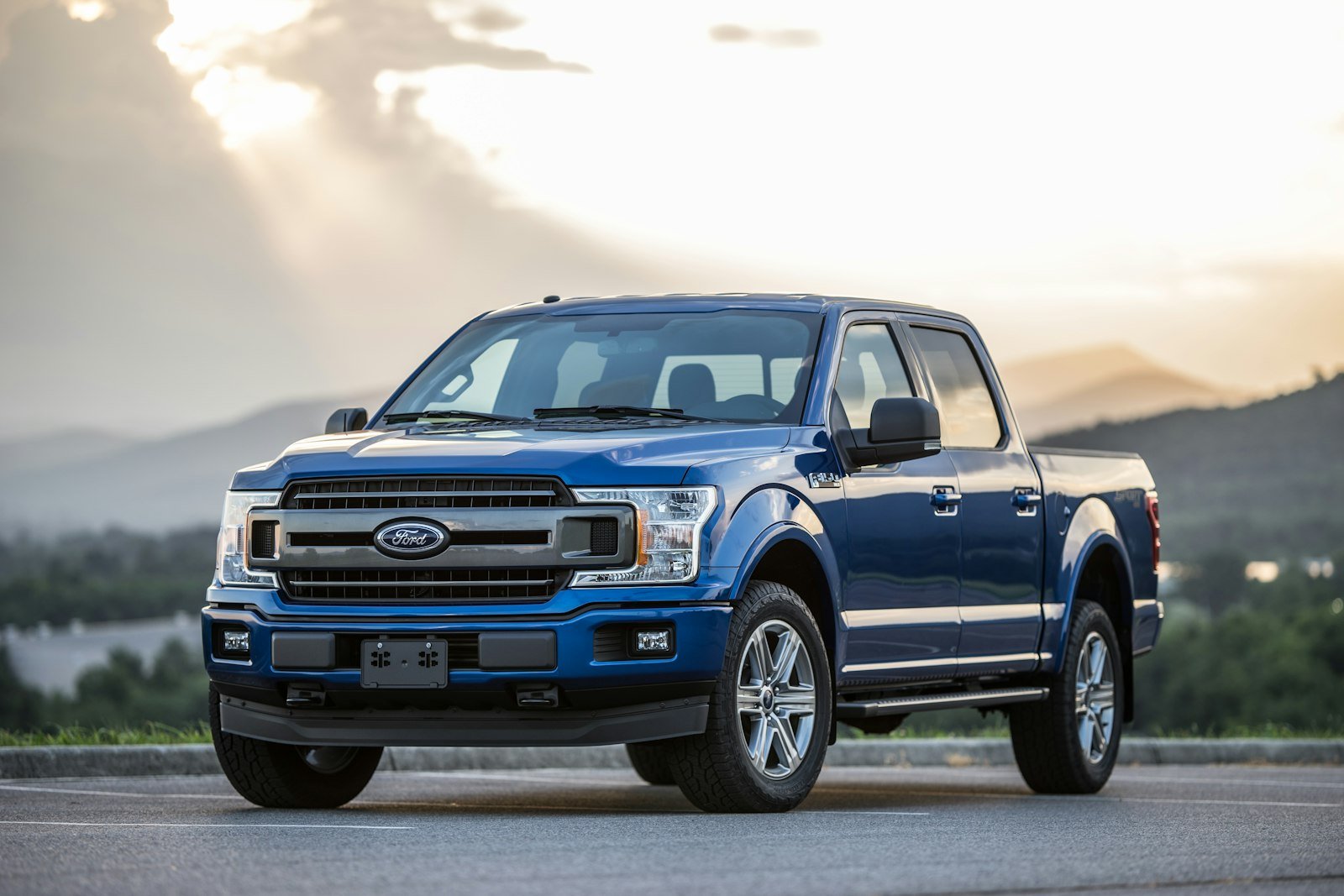
Vehicle modifications change how a car or truck fits on a carrier, and that changes which trailer can haul it and what it costs. Lift kits and big tires add height, lowered suspensions and body kits make loading harder, and racks, light bars and wide fenders change the car's size. If you list every modification when you ask for a quote, you get matched with the right equipment, a price that holds and a smoother pickup.
Key takeaways
- Car carriers work within legal height, length and weight limits, so extra height or width can limit where your vehicle fits on the trailer.
- Lifted trucks often need a bottom-deck spot or a different trailer, which can raise the price.
- Lowered cars may need extra-long ramps, ramp extensions or a liftgate trailer to load without scraping.
- Roof racks, light bars, spoilers and wide body kits should be listed and, if possible, removed or secured.
- Telling the shipper about modifications up front is the best way to avoid surprise charges or a refused pickup.
Why modifications matter to a car carrier
A standard open car hauler is built around stock vehicles. It has two decks, hydraulic ramps and set spaces that fit a mix of sedans, SUVs and pickups. The driver plans the load like a puzzle so every vehicle fits within the truck's legal height, length and weight limits.
In many states, the maximum height for a truck and its load is 13 feet 6 inches, and some states allow 14 feet. Rules vary, so drivers plan to the strictest limit on their route. Every inch counts. When your vehicle is taller, longer, wider or lower than stock, the driver may not be able to put it in its usual spot. That can mean a different trailer, a different position, fewer cars on the load or extra time to load safely.
All of those affect price and timing. That is why carriers ask about changes, and why "it's just a small lift" can turn into a problem on pickup day if it was not on the quote.
The three things carriers check
- Height. Will it clear the deck above, overpasses and the legal height limit?
- Width and length. Will it fit between trailer rails and next to other vehicles?
- Ground clearance. Can it climb the ramps and cross the deck without scraping?
Common modifications and how they affect shipping
Here is how the most common changes affect carrier equipment. The impact depends on the exact vehicle, so use this as a guide and share your specs with the shipper.
| Modification | What changes | Typical effect on shipping |
|---|---|---|
| Lift kit (suspension or body) | Adds height | May need a bottom-deck spot or a different trailer; price often rises |
| Oversized tires | Adds height and width | May not fit the trailer's wheel tracks or tie-down straps |
| Lowered suspension | Less ground clearance | May need long ramps, wood blocks or a liftgate trailer |
| Front lip, splitter or side skirts | Less clearance at the edges | Higher risk of scraping on ramps; often needs enclosed with a liftgate |
| Wide body kit or fender flares | Adds width | Can be hard to fit on narrow decks or near other cars |
| Roof rack, cargo box or rooftop tent | Adds height | Often must be removed; can block top-deck or bottom-deck spots |
| Light bars and antennas | Adds height; easy to damage | Best removed or folded down |
| Large rear spoiler or wing | Adds height; can catch deck above | Driver may need a specific position |
| Aftermarket bumpers and winches | Adds length and weight | Can change how many vehicles fit |
| Long-travel or off-road suspension | Height, width and weight | Often needs special planning or a smaller trailer |
Lifted trucks and SUVs
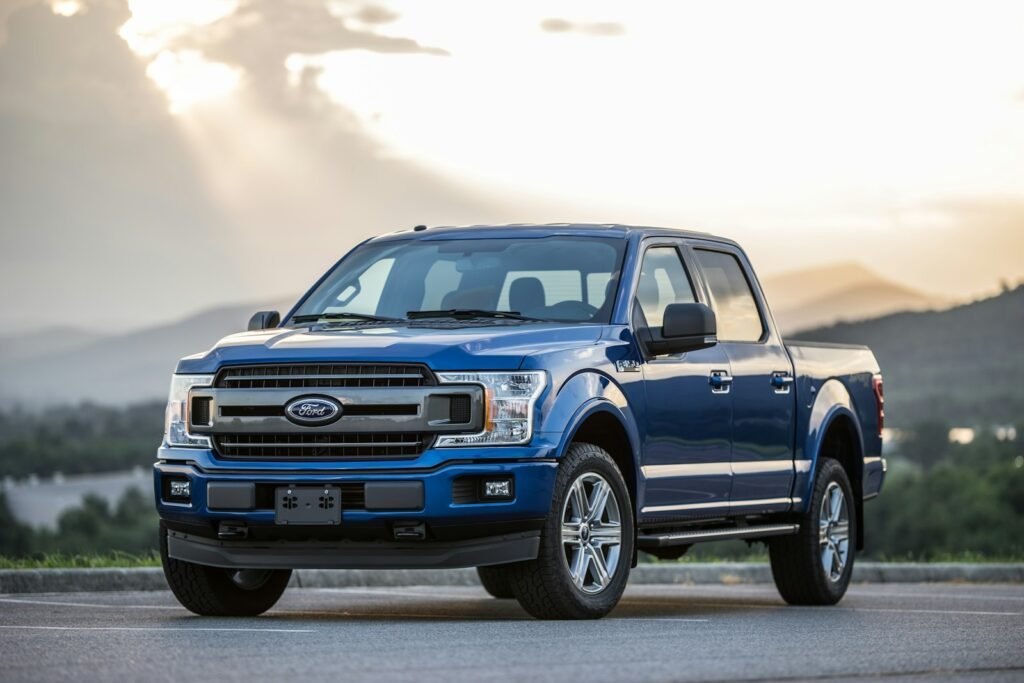
Lifted trucks and Jeeps are the most common modified vehicles we see. A few inches of lift plus larger tires can add a lot of height. On a two-level car hauler, the top deck sits above the bottom deck, so a tall vehicle on the bottom may hit the deck above, and a tall vehicle on the top may push the load past the legal height limit.
What usually happens
- Small lifts (about 2 inches or less) often fit like a stock truck, but still tell the shipper.
- Medium lifts may need a specific bottom-deck position where the upper deck can be raised.
- Large lifts with big tires may need a single-level trailer, a smaller hotshot-style hauler or a flatbed.
The more special the equipment, the fewer carriers can do the job, so the price often goes up. Our truck shipping page explains how size and weight affect quotes for pickups and SUVs.
What to measure
Measure the total height from the ground to the highest point, including any racks or light bars. Also note the tire size and the overall width at the widest point, which may be the fender flares or the tires.
Lowered cars, body kits and track builds
Lowered cars have the opposite problem. They are short enough to fit anywhere, but they may not get onto the trailer without scraping. Standard car hauler ramps can be steep for a car with very low ground clearance, especially one with a front lip or side skirts.
Loading options for low cars
- Ramp extensions or long ramps lower the loading angle.
- Wood blocks or tire risers lift the car slightly at the start of the ramp.
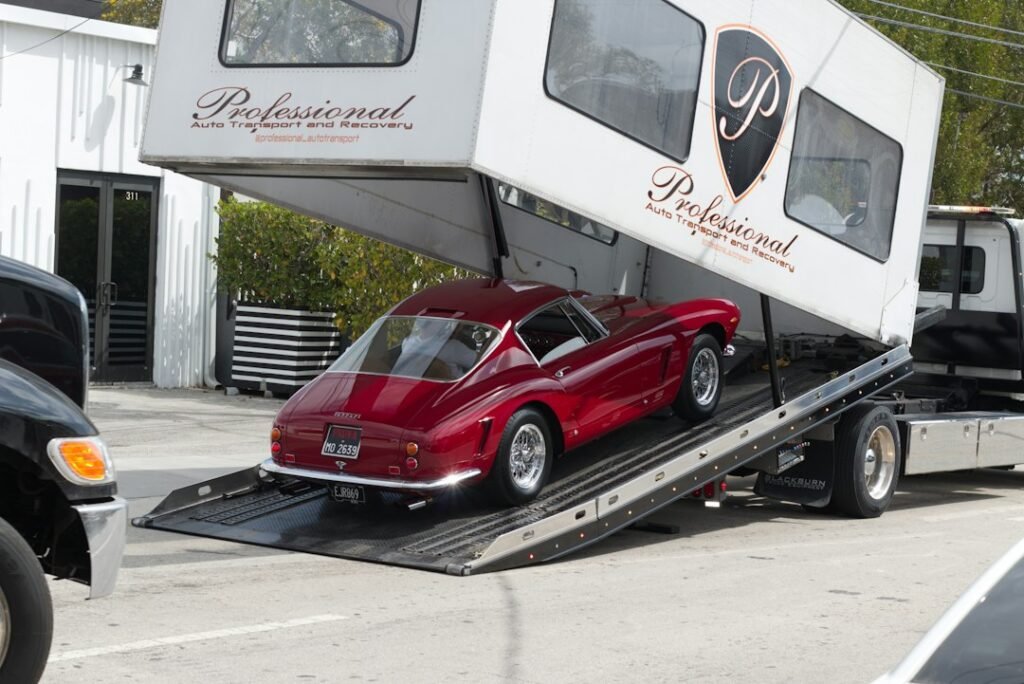
- Liftgate enclosed trailers raise the car straight up on a flat platform, with no ramp at all.
For very low or high-value cars, an enclosed trailer with a liftgate is often the safest choice. Our enclosed car shipping guide explains what those trailers offer. We also cover the loading angle math in detail in our guide to low-clearance vehicle shipping.
Track and race cars
Track cars may have stiff suspension, no street tires or no working parking brake. Tell the shipper if the car is not street legal, if it does not have a working emergency brake, or if it needs to be pushed or winched. Those details change what equipment and crew the job needs.
Racks, light bars, spoilers and add-ons
Small add-ons can cause big problems. A roof rack may not seem like much, but it adds height and can catch on the deck above. Light bars, antennas and aftermarket mirrors can be bumped during loading. Large wings can contact the upper deck.
What to do with add-ons
- Remove anything that comes off easily, like cargo boxes, bike racks and rooftop tents.
- Fold down or remove antennas.
- Take off or tape down light bars and loose trim.
- Take photos of anything that stays on the car.
- List every add-on that stays on when you request a quote.
Carriers generally are not responsible for damage to loose or removable parts that were not secured, so it pays to take them off.
Weight changes from modifications
Steel bumpers, winches, armor plates, big tires and in-bed tool boxes add weight. A car carrier has a maximum legal weight for the whole load, often 80,000 pounds gross on interstate highways unless a permit applies. When vehicles get heavier, the driver may carry fewer of them.
That is one reason heavy-duty and heavily built trucks often cost more to ship than a stock pickup. If your build adds several hundred pounds, mention it. Heavy electric vehicles face the same issue, which we cover on our electric vehicle shipping page.
Open vs. enclosed for modified vehicles
Most modified vehicles can ship on an open carrier if they fit the trailer and are disclosed up front. Enclosed transport is worth considering when the car is low, valuable, has custom paint or has expensive aero parts.
| Vehicle type | Open carrier | Enclosed carrier |
|---|---|---|
| Mildly lifted truck or Jeep | Usually fine | Optional |
| Heavily lifted truck | Possible with the right trailer | Limited by trailer height |
| Lowered daily driver | Possible with long ramps | Safer, especially with liftgate |
| Show car or custom paint | Exposed to road debris | Recommended |
| Track car with splitter | Hard to load safely | Recommended, with liftgate |
As a rough guide, open transport typically runs about $500 to $1,900 and enclosed about $800 to $2,900 for a standard car, depending on route and season. Modified vehicles can fall above those ranges when they need special equipment. Exotic and high-end builds are covered on our luxury and exotic car shipping page.
How to get an accurate quote for a modified vehicle
Use this checklist when you ask for quotes:
- Year, make, model and trim of the vehicle.
- Total height from the ground to the highest point.
- Overall width at the widest point, including flares and tires.
- Overall length, including aftermarket bumpers, winches or hitches.
- Lowest ground clearance and where it is (front lip, exhaust, side skirts).
- Lift or lowering amount and tire size.
- Any racks, light bars, spoilers or add-ons that will stay on.
- Whether the vehicle runs, steers and brakes.
- A few clear photos of the vehicle from the front, side and rear.
With these details, the shipper can match you with the right carrier and give you a firm price. Our vehicle shipping checklist covers the rest of the prep.
How CTS ships modified vehicles
At CTS Auto Transport, we ask about modifications up front so we can match your vehicle with a carrier that has the right trailer, from standard open haulers to enclosed liftgate trailers for low or high-value builds. We work with a network of more than 100,000 licensed and insured carriers, and coverage up to $2M is available for high-value vehicles.
Our Best Price Guarantee applies to modified vehicles too: show us a lower written quote for the same service and we will match or beat it. Shipments are arranged by Niki Auto Transport (USDOT 4535689, MC 1799148).
Frequently asked questions
Does a lifted truck cost more to ship?
Often, yes. Extra height can limit which deck spot or trailer can carry it, and fewer carriers can take the job. A small lift may not change the price much, but a large lift with big tires usually does.
Can a lowered car go on an open car hauler?
Sometimes. With long ramps or blocks, many lowered cars can load safely. Very low cars, or those with front lips and splitters, are usually safer on an enclosed trailer with a liftgate.
Should I remove my roof rack before shipping?
If it comes off easily, yes. It reduces height, lowers the chance of damage and may give the driver more options for where to place your vehicle.
What happens if I don't tell the shipper about modifications?
The driver may not be able to load the vehicle, which can delay your shipment or lead to a higher price on pickup day. In some cases, the driver may have to leave without it. Always list modifications when you get a quote.
Can you ship a vehicle that is not street legal?
Often, yes, as long as it can be loaded and secured safely. Tell the shipper if it lacks a working parking brake, has racing tires or needs to be winched, so the right carrier is assigned.
Shipping a lifted, lowered or custom build? Get a free quote and list your modifications, and we will match your vehicle with the right equipment at a price that holds.
Updated November 4, 2026