
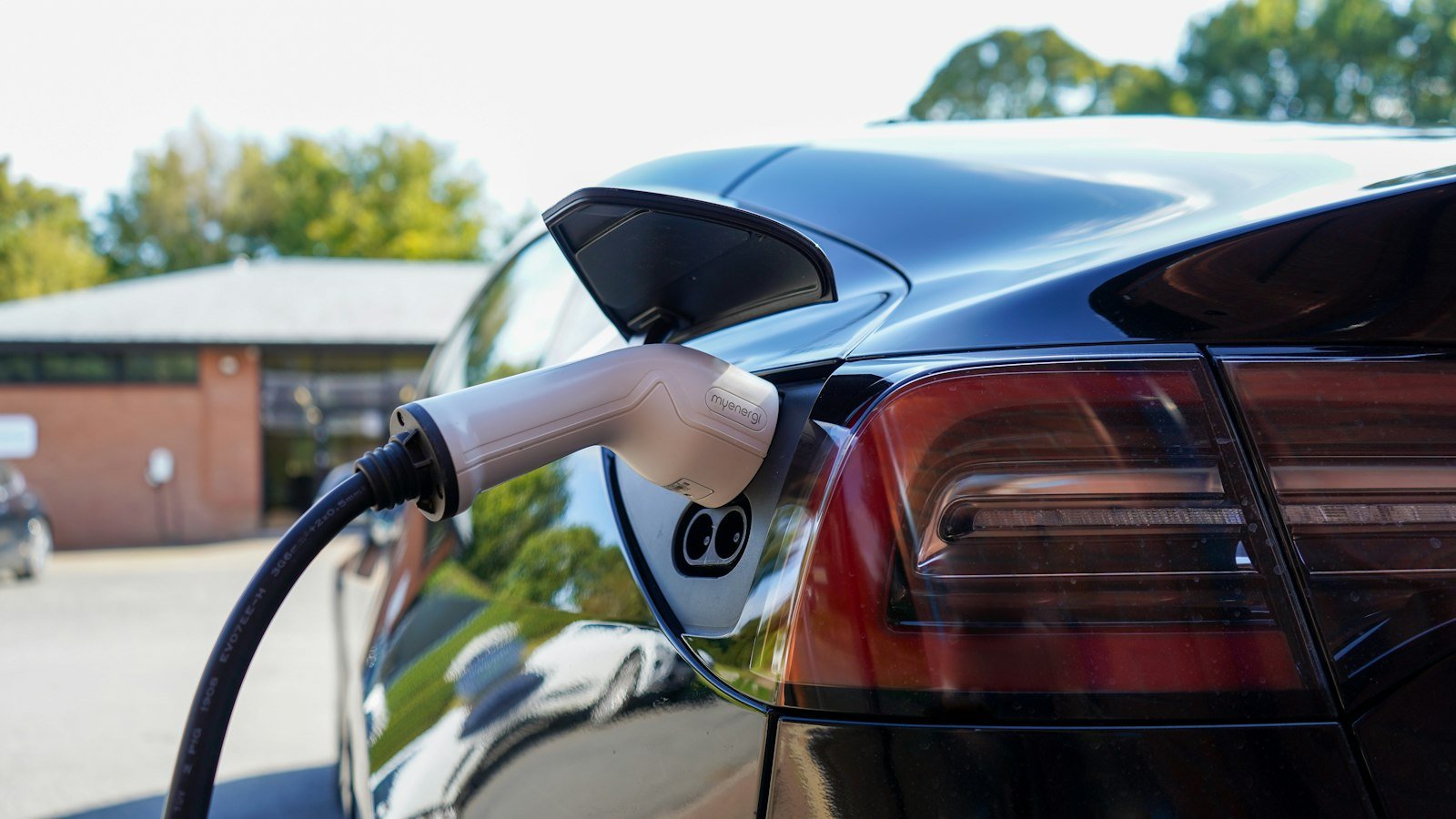
Electric vehicles ship on the same car carriers as gas cars, but two things need extra planning: the battery and the weight. Most carriers want an EV handed over with a partial charge, often around 30 to 50 percent, so it can be driven on and off the truck without risk. And because EV batteries are heavy, a large electric truck or SUV can take up more of a carrier's weight limit, which can raise the price. Here is what to know before you book.
Key takeaways
- Hand over your EV with a moderate charge, often around 30 to 50 percent, unless your shipper or ocean carrier gives a different number.
- Never ship an EV with a nearly empty battery; it may not power on for loading, steering or parking-brake release.
- EVs are often several hundred to several thousand pounds heavier than similar gas models, which affects how many vehicles fit on a load.
- Heavy electric pickups and SUVs may cost more to ship than a gas version of the same size.
- Tell the driver about transport or tow modes, key cards and any battery warnings before pickup.
How EV shipping differs from gas car shipping
In most ways, shipping an electric car is the same as shipping any other car. The vehicle is inspected, driven onto an open or enclosed trailer, strapped down, carried to its destination and inspected again at delivery. If you want the full picture, our guide on how car shipping works covers each step.
The differences come from the battery. It needs to have enough charge to power the car's systems during loading. It adds a lot of weight low in the car. And the car's electronics may need special settings to roll freely or stay in neutral while strapped down. None of these is a big problem if the driver knows about them ahead of time.
Things that do not change
- EVs can ship on open carriers or in enclosed trailers.
- Door-to-door pickup and delivery work the same way.
- Transit times are similar: often 1 to 3 days under 500 miles and 7 to 10 days coast to coast.
- You still need a clean car, photos and a careful inspection at pickup.
Battery charge level: what to aim for
The most common question we hear is how much to charge the car before pickup. There is no single rule that every company uses, but a moderate charge is the safe middle ground.
| Charge level | Why it can be a problem | Recommendation |
|---|---|---|
| Under 10 percent | The car may not power on at pickup or delivery. Steering, brakes and shifting may not work. Some batteries drain slowly over a long trip. | Avoid |
| About 30 to 50 percent | Enough to load, unload and drive a short distance. Easy on the battery during storage. | Typical target for road transport |
| Near 100 percent | Not needed for transport. Some carriers ask for lower charge for safety reasons and to reduce strain on the battery while it sits. | Usually not recommended |
Always follow the instructions your shipper gives you. If your car is going by ship to Hawaii, the ocean carrier sets its own charge rules, which may be lower than for road transport. Confirm those limits before you drop the car off. Our Hawaii car shipping page explains the steps.
Why a dead EV is harder to move than a dead gas car
A gas car with a dead battery can often be jump-started or pushed in neutral. Many EVs need power to release the parking brake, unlock the steering or shift into neutral. If the high-voltage battery is drained, the car may also have a dead 12-volt battery, and getting it to roll can take special steps. A carrier may need a winch and extra time, which can add cost. A modest charge avoids all of that.
Battery drain during transit
EVs lose a small amount of charge over time while parked, more if features like sentry or cabin overheat protection are on. Turn off features that use power in the background so the car still has enough charge at delivery, especially on longer trips.
EV weight and why it affects price
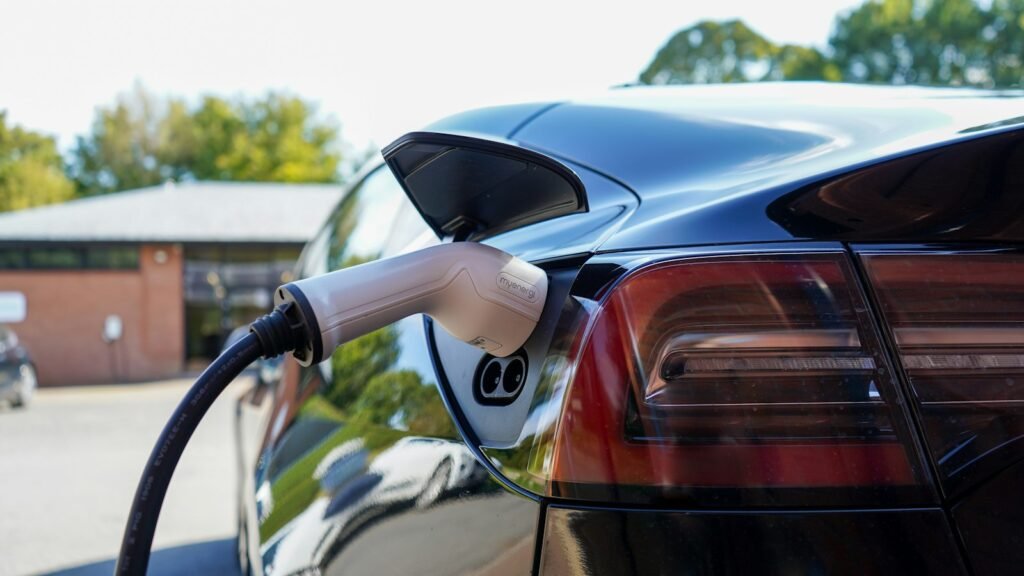
Battery packs are heavy. An electric car is often several hundred pounds heavier than a similar gas car, and large electric trucks can be thousands of pounds heavier. The table below shows rough curb weights for some well-known EVs. Weights vary by trim, battery and options, so check your own vehicle's spec sheet or door-jamb label.
| Vehicle | Approximate curb weight | Shipping impact |
|---|---|---|
| Tesla Model 3 | About 3,800 to 4,100 lb | Similar to a midsize sedan; usually standard pricing |
| Tesla Model Y | About 4,200 to 4,400 lb | Similar to a midsize SUV |
| Ford Mustang Mach-E | About 4,400 to 4,900 lb | Heavier than most gas crossovers |
| Ford F-150 Lightning | About 6,000 to 6,900 lb | Heavier than most gas F-150s; can affect load planning |
| Rivian R1T | About 7,000 lb | Heavy pickup; may cost more than a gas truck |
| GMC Hummer EV | About 9,000 lb | Very heavy; often needs special planning |
How weight changes load planning
A typical open car hauler carries several vehicles at once. The whole truck and its load must stay under legal weight limits, often 80,000 pounds gross on interstate highways unless a permit applies. When a driver adds a 7,000-pound electric truck instead of a 3,500-pound sedan, there may be room for fewer vehicles on that trip. The driver also has to balance weight across axles and decks.
Because the heavy vehicle uses more of the truck's capacity, it often costs more to ship. Small and midsize EVs usually ship at about the same price as a gas car of the same size. Large electric pickups and SUVs often cost more. For a general range, open transport typically runs about $500 to $1,900 and enclosed about $800 to $2,900, depending on distance, route and season. Very heavy vehicles may fall above those ranges.
Deck placement
Heavy vehicles are often loaded on the bottom deck. Some top decks have lower weight limits, and keeping heavy cars low helps the truck stay stable. If you want your EV on a specific deck, ask, but the driver makes the final call based on safety.
Transport mode, tow mode and key cards
Many EVs have a special mode for transport or towing that keeps the car in neutral and the parking brake off while it is winched or rolled. The names and steps differ by brand. Before pickup:
- Look up your owner's manual for "transport mode," "tow mode" or "neutral" instructions.
- Write down the steps or share the manual page with the driver.
- Hand over a working key fob, key card or set up a way for the driver to start the car. Phone-only keys can cause problems.
- Turn off auto-lock, walk-away lock or any feature that might lock the driver out.
- Disable sentry or alarm modes that could drain the battery or go off on the truck.
Many manufacturers warn against towing an EV with its drive wheels on the ground. On a car carrier, the vehicle rides with all wheels on the deck, so this is not a concern once it is loaded. It does matter for how a non-running EV is moved onto the trailer.
Damaged or non-running EVs
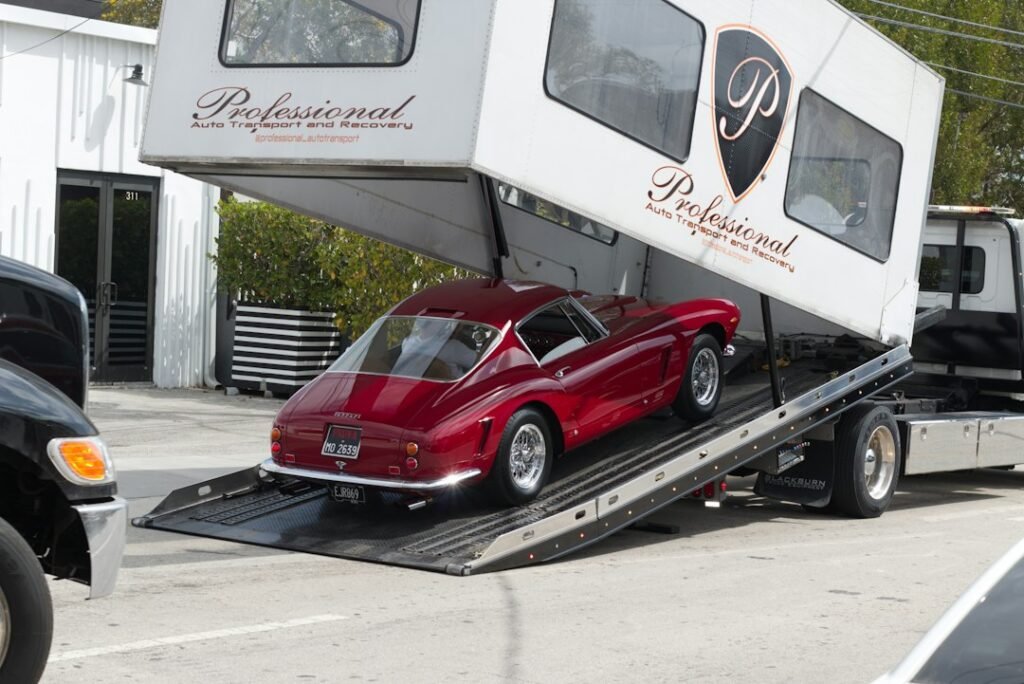
Shipping an EV that does not run, or has battery damage, needs extra care. A car that will not power on may need a winch and a carrier with experience moving EVs. A car with a damaged or recalled battery may have special handling rules, and some carriers may decline it.
Always tell the shipper if:
- The car does not power on or will not shift into neutral.
- There are battery warning lights or error messages.
- The car was in a flood, fire or collision that affected the battery area.
- The battery is under a recall or service notice.
Being honest up front keeps the job safe and gets the right carrier assigned. Hiding it can lead to a refused pickup. If you are buying a used or damaged EV from an auction, our dealer and auction car shipping page has tips.
Open vs. enclosed for electric cars
Most EVs ship safely on open carriers, just like gas cars. Enclosed transport makes sense for high-end EVs, new vehicles you want to keep spotless, or cars with sensitive cameras and sensors you want to protect from road debris. Enclosed trailers carry fewer vehicles, so they cost more, and very heavy EVs may have fewer enclosed options.
EV shipping checklist
- Charge to about 30 to 50 percent, or the level your shipper requests.
- Turn off sentry, camp, overheat protection and other features that drain power.
- Find the transport or tow mode steps for your model.
- Have a physical key, fob or key card ready for the driver.
- Remove charging cables and adapters from the car, or pack them securely.
- Note any battery warnings or recalls.
- Wash the car and take clear photos of all sides.
- Remove personal items and toll tags.
- Give the exact year, make, model, trim and battery size when you get a quote.
Our full vehicle shipping checklist covers the rest, and our electric vehicle shipping page has more EV-specific details.
How CTS ships electric vehicles
At CTS Auto Transport, we ask for your exact EV model and trim so the carrier can plan for its weight and loading needs. We work with a network of more than 100,000 licensed and insured carriers, offer both open and enclosed transport, and provide 24/7 in-transit updates. Coverage up to $2M is available for high-value vehicles.
There is no deposit to book, and our Best Price Guarantee means we will match or beat a lower written quote for the same service. Shipments are arranged by Niki Auto Transport (USDOT 4535689, MC 1799148).
Frequently asked questions
How much should I charge my EV before shipping?
A charge of about 30 to 50 percent is a common target for road transport. It gives the driver enough power to load and unload the car without keeping the battery at full charge. Follow your shipper's instructions, and check ocean carrier rules if the car is going to Hawaii.
Does it cost more to ship an electric car?
Small and midsize EVs usually cost about the same as a similar gas car. Large electric trucks and SUVs often cost more because their weight uses more of the carrier's capacity.
Can a Tesla be shipped on an open carrier?
Yes. Teslas and other EVs ship on open carriers all the time. Make sure the driver has a key card or fob and knows how to use transport mode if needed.
What happens if my EV battery dies during shipping?
With a reasonable starting charge and power-draining features turned off, this is unlikely. If it happens, the driver may need to winch the car or use transport mode steps, which can add time. Starting with enough charge avoids this.
Can you ship an EV with a damaged battery?
Sometimes, but it depends on the damage and the carrier. Tell the shipper about any battery warnings, recalls or accident damage up front so they can find a carrier that can handle it safely.
Shipping a Tesla, Rivian, Lightning or other EV? Get a free quote with your model and trim, and we will match it with a carrier that is ready for its weight and battery needs.
Updated November 4, 2026