
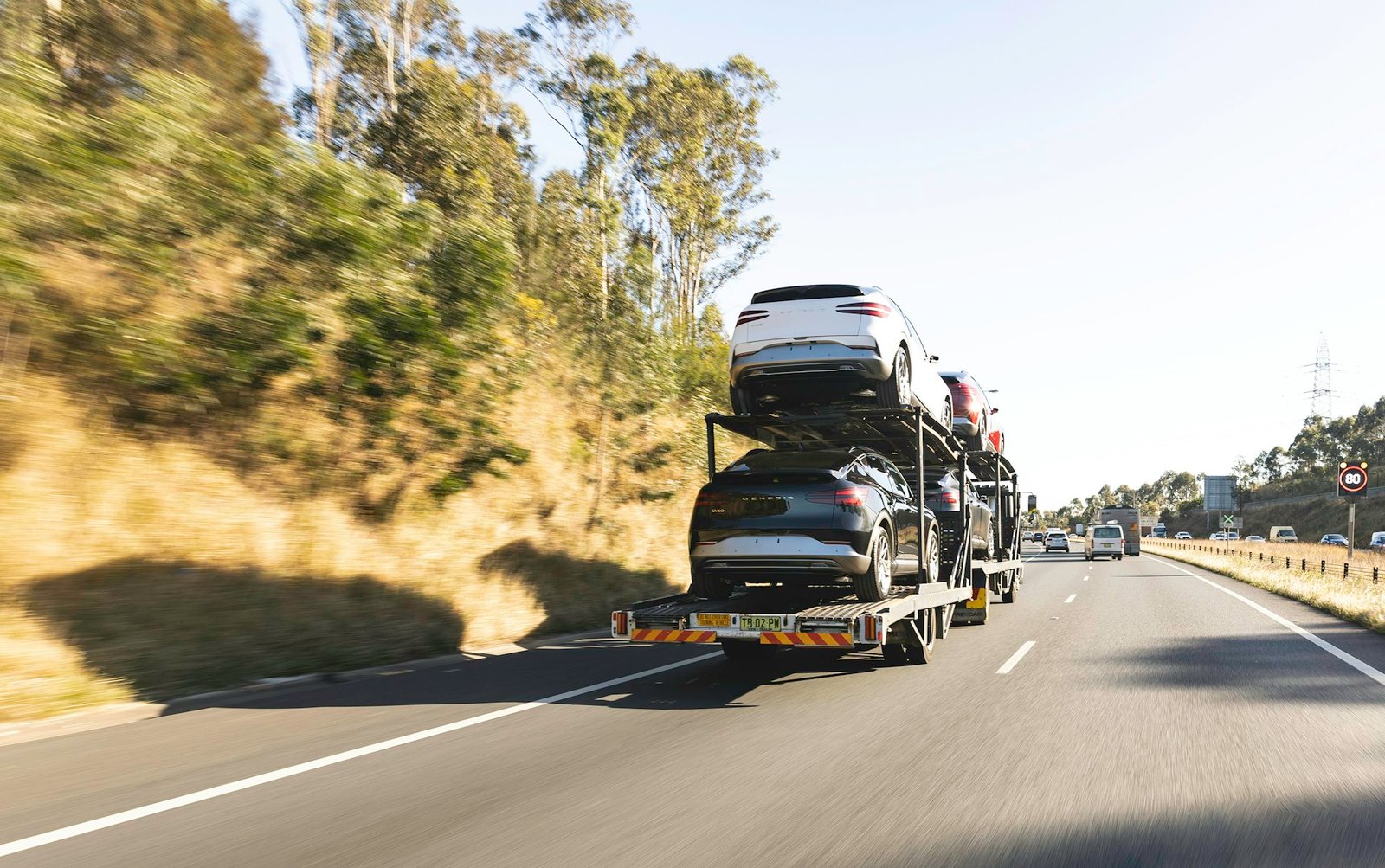
A driveaway car service puts a hired driver behind the wheel of your car and drives it to your new address, while car shipping loads your car onto a truck so it arrives without adding a single mile. For most long moves, car shipping is cheaper once you count the driver's fuel, food, hotels and return flight, and it is easier on your car. Driveaway can make sense for short trips, oversized or unusual vehicles, or when you need the car to arrive by a hard deadline and no carrier is running that lane.
Key takeaways
- Driveaway means a person drives your car to its destination; car shipping means a carrier truck hauls it.
- Driveaway adds every trip mile to your odometer, plus wear on tires, brakes and fluids.
- Beyond the driver's fee, you usually pay for fuel, lodging, meals and the driver's trip home.
- Open car shipping typically costs $500–$1,900 depending on distance, with coast-to-coast transit of about 7–10 days.
- Driveaway can win on very short routes, for vehicles that won't fit on a carrier, or when you want the car to tow something.
What is a driveaway car service?
A driveaway service (sometimes written "drive-away" or called "driven delivery") hires a driver to physically drive your vehicle from point A to point B. The driver picks up your keys, drives the route over one or more days, and hands the car over at the other end.
There are a few versions you may run into:
- Professional driver services. A company sends a vetted, paid driver. You pay a per-mile or flat fee plus the driver's expenses.
- Independent drivers. Someone you find through a referral or online listing. Prices can be lower, but checking insurance, licensing and background becomes your job.
- Relocation or "free car" programs. Historically, some companies matched travelers with cars that needed moving. The traveler drove for little or no pay in exchange for a free trip. These programs are less common now and usually come with strict rules on route, days and miles.
- Commercial driveaway. Fleets, RV makers and truck dealers use drivers to deliver new vehicles under their own power. This is a separate industry with its own rules.
For a private owner, the first two options are what you will be comparing against car shipping.
What is car shipping?
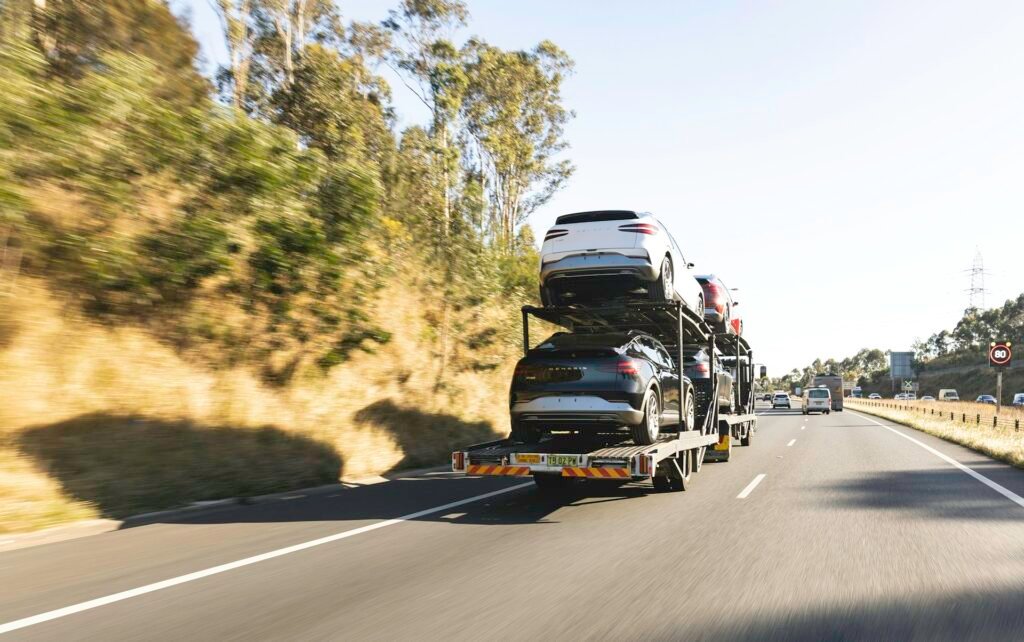
Car shipping (also called auto transport) means your car rides on a truck. Most cars move on open carriers, the two-level trucks you see on the highway hauling 7 to 10 vehicles. High-value, classic and exotic cars often go by enclosed transport, which shields the car from weather and road debris.
A broker or carrier sets a pickup window, a driver loads your car, and you get it back at the destination, usually door to door. The car's engine stays off the whole trip, except for a few feet of driving on and off the trailer. If you want the full step-by-step, our guide on how car shipping works walks through booking, pickup, transit and delivery.
Driveaway vs. car shipping at a glance
Here is how the two options compare on the things most people care about. Numbers are typical ranges and vary by route, season and vehicle.
| Factor | Driveaway service | Car shipping (open carrier) |
|---|---|---|
| Miles added to your car | Full route distance (about 2,800 for coast to coast) | Near zero |
| Typical cost, coast to coast | Driver fee plus fuel, hotels, meals and return travel; often higher than shipping | About $1,200–$1,900 |
| Typical cost, under 500 miles | Can be competitive, especially for a one-day drive | About $500–$900 |
| Transit time, coast to coast | About 5–7 days of driving | About 7–10 days |
| Wear and tear | Tires, brakes, oil, fluids, possible rock chips | Minimal; enclosed adds weather protection |
| Risk of road incidents | Same as any driver: crashes, tickets, breakdowns | Car is strapped down; carrier insurance applies |
| Personal items in car | Often allowed | Usually limited; check your carrier's rules |
| Works for non-running cars | No | Yes, with a winch (extra fee) |
The real cost of a driveaway service
Driveaway quotes can look attractive because the headline number is often just the driver's pay. The full bill usually includes several more pieces.
Driver fee
Drivers usually charge per mile or per day. The rate depends on distance, the driver's experience and how much notice you give. Long trips mean multiple paid days.
Fuel
You pay for every gallon. A car that gets 25 miles per gallon needs about 112 gallons to go 2,800 miles. At $3.25–$3.75 per gallon, that is roughly $365–$420 in gas alone. Trucks and SUVs can use far more.
Lodging and meals
A safe driver covers about 400–550 miles per day. A cross-country drive often means 4 to 6 nights in hotels. Many services bill you for those nights and a daily meal allowance.
Return travel
Once your car is delivered, the driver needs to get home. That is often a one-way flight or bus ticket, and many services pass that cost to you.
Hidden cost: mileage on your car
The cost people forget is what the trip does to the car itself. Adding 2,800 miles moves you closer to your next oil change, tire replacement and brake job. It can also lower resale or trade-in value, since mileage is one of the biggest factors in what a used car is worth. For a leased car, extra miles can trigger overage fees at turn-in, often charged per mile over your limit.
Put together, a coast-to-coast driveaway trip can easily cost more than shipping the same car on an open carrier. Use our car shipping cost calculator to see what shipping your exact route would cost before you decide.
Risk and insurance: who pays if something goes wrong?
This is where the two services differ the most, and it is worth reading slowly.
Driveaway insurance
When someone else drives your car, your own auto policy is often the first one in line if there is a crash. Many personal policies cover permissive drivers, but the details vary. Some policies limit coverage when the car is driven for pay, and a claim could raise your premium. A professional driveaway company may carry its own coverage, but you should ask exactly what it covers, what the deductible is, and whether it pays before or after your insurance.
Speeding tickets, toll violations and parking tickets can also land on your registration. Ask in writing who is responsible for those.
Car shipping insurance
Licensed auto carriers must carry cargo insurance that covers damage to vehicles while they are in the carrier's care. Your car is strapped to the trailer, it is not being driven in traffic, and the driver is a commercial operator with a CDL. When you book through CTS, your shipment is arranged by Niki Auto Transport (USDOT 4535689, MC 1799148) with licensed and insured carriers, and coverage up to $2M is available for high-value vehicles.
No method is risk-free. But with shipping, the condition of your car is recorded on a Bill of Lading at pickup and delivery, which gives you a clear paper trail if you ever need to file a claim.
When a driveaway service makes sense
Driveaway is not always the wrong choice. It can be the better pick when:
- The trip is short. On a 150–300 mile run, a driver can deliver the car the same day, with no hotel and a cheap return ticket.
- The vehicle won't fit on a standard carrier. Some large RVs, long-bed dually trucks or modified vehicles are too tall or heavy for a typical car hauler.
- You need the vehicle to tow. If your truck is also pulling a trailer or boat, driving it may be the only practical way to move both.
- You want personal items inside. Driveaway usually lets you pack the car more fully, though you should still avoid valuables.
- Mileage simply doesn't matter. An older, high-mileage commuter car may not lose much value from a few thousand extra miles.
When car shipping is the better choice
For most people moving a car more than a few hundred miles, shipping wins. It is usually the better choice when:
- The move is long distance or cross-country.
- The car is new, leased, low-mileage, or has a mileage-based warranty.
- It is a classic, exotic or luxury car where mileage and road exposure really hurt value. These cars often ship enclosed.
- The car does not run. A driveaway driver cannot help you, but a carrier with a winch can.
- You are moving more than one car. A single truck can carry several, while driveaway needs a driver for each.
- You do not want a stranger driving your car for days through traffic and weather.
It is also simpler. You hand over the keys, track the shipment and pick up the car. With CTS, there is no deposit to book, and in-transit updates are available 24/7.

Speed: which one is faster?
For short trips, driveaway is often faster. A driver can leave right after picking up your keys and arrive the same day.
For long trips, the answer is closer than people expect. A driver going coast to coast needs about 5–7 days on the road. A carrier typically takes 7–10 days for the same distance, plus a pickup window of a few days. If speed matters, expedited car shipping shortens the pickup window, and a guaranteed delivery date option is available on many routes. Same-day pickup is possible in most metro areas.
Typical car shipping transit times
| Distance | Typical transit time |
|---|---|
| Under 500 miles | 1–3 days |
| 500–1,000 miles | 2–5 days |
| 1,000–2,000 miles | 4–8 days |
| Coast to coast (2,500+ miles) | 7–10 days |
Times vary with season, weather, route popularity and pickup location.
How to vet a driveaway driver or service
If you decide driveaway is the right fit, protect yourself with these checks before handing over your keys:
- Get everything in writing. Total price, what expenses you cover, the route and the delivery date.
- Verify identity and license. Ask for the driver's name and confirm they have a valid license and a clean record.
- Call your insurance company. Ask whether your policy covers a paid driver and what happens if there is a crash.
- Ask about the company's coverage. Get a copy of any insurance certificate and read the limits.
- Agree on tickets and tolls. Decide in writing who pays for violations during the trip.
- Record the odometer and condition. Take dated photos of every side, the interior and the dashboard.
- Set check-ins. Ask for a daily location update and a photo of the odometer each night.
- Service the car first. Check tires, oil and brakes so a breakdown does not add days and costs.
How to prepare your car for shipping instead
If you choose shipping, preparation is simpler. A quick checklist:
- Wash the car so existing scratches and dents are easy to see at inspection.
- Take dated photos of all sides, the roof and the interior.
- Leave about a quarter tank of gas.
- Remove toll tags, garage openers and loose valuables.
- Fold in mirrors and secure or remove any loose parts like spoilers or bike racks.
- Note any leaks or mechanical quirks and tell the driver.
Our full vehicle shipping checklist covers every step from booking to delivery.
Bottom line: which should you choose?
For a short, one-day trip in an older car, a driveaway service can be quick and cost about the same as shipping. For anything long distance, for newer or leased cars, for non-running vehicles, or when you care about resale value, car shipping is usually cheaper, safer and easier on your car. Get a written shipping quote for your route, then compare it to the full driveaway cost, including fuel, hotels, meals, return travel and the value of the miles you add.
Frequently asked questions
Is a driveaway service cheaper than shipping a car?
Sometimes on short trips, rarely on long ones. Once you add fuel, lodging, meals, the driver's return trip and the wear from extra miles, a cross-country driveaway often costs more than an open-carrier shipment, which typically runs about $1,200–$1,900 coast to coast.
Does my car insurance cover a driveaway driver?
It depends on your policy. Many personal policies cover people you allow to drive your car, but some limit coverage when the driver is being paid. Call your insurance company before the trip and get the answer in writing.
How many miles does a driveaway trip add?
Roughly the full route distance, plus any detours for fuel, food and hotels. A New York to Los Angeles trip adds about 2,800 miles or more.
Can I put personal items in my car when shipping it?
Many carriers allow a small amount of personal items in the trunk, but they are generally not covered by the carrier's cargo insurance. Check the rules when you book, and never leave valuables or important documents in the car.
Can a driveaway service move a car that doesn't run?
No. A driveaway service needs a running, road-legal car. A car that does not start or steer properly needs a carrier with a winch, which usually adds a fee to the shipping price.
Is it safer to ship a car or have it driven?
Shipping is generally lower risk because the car is strapped to a trailer instead of being driven through traffic, weather and construction for days. Carriers also carry cargo insurance, and the car's condition is documented at pickup and delivery.
Want to see how shipping compares on your route? Get a free quote with no deposit required, and we'll match or beat any lower written quote under our Best Price Guarantee.
Updated November 4, 2026