
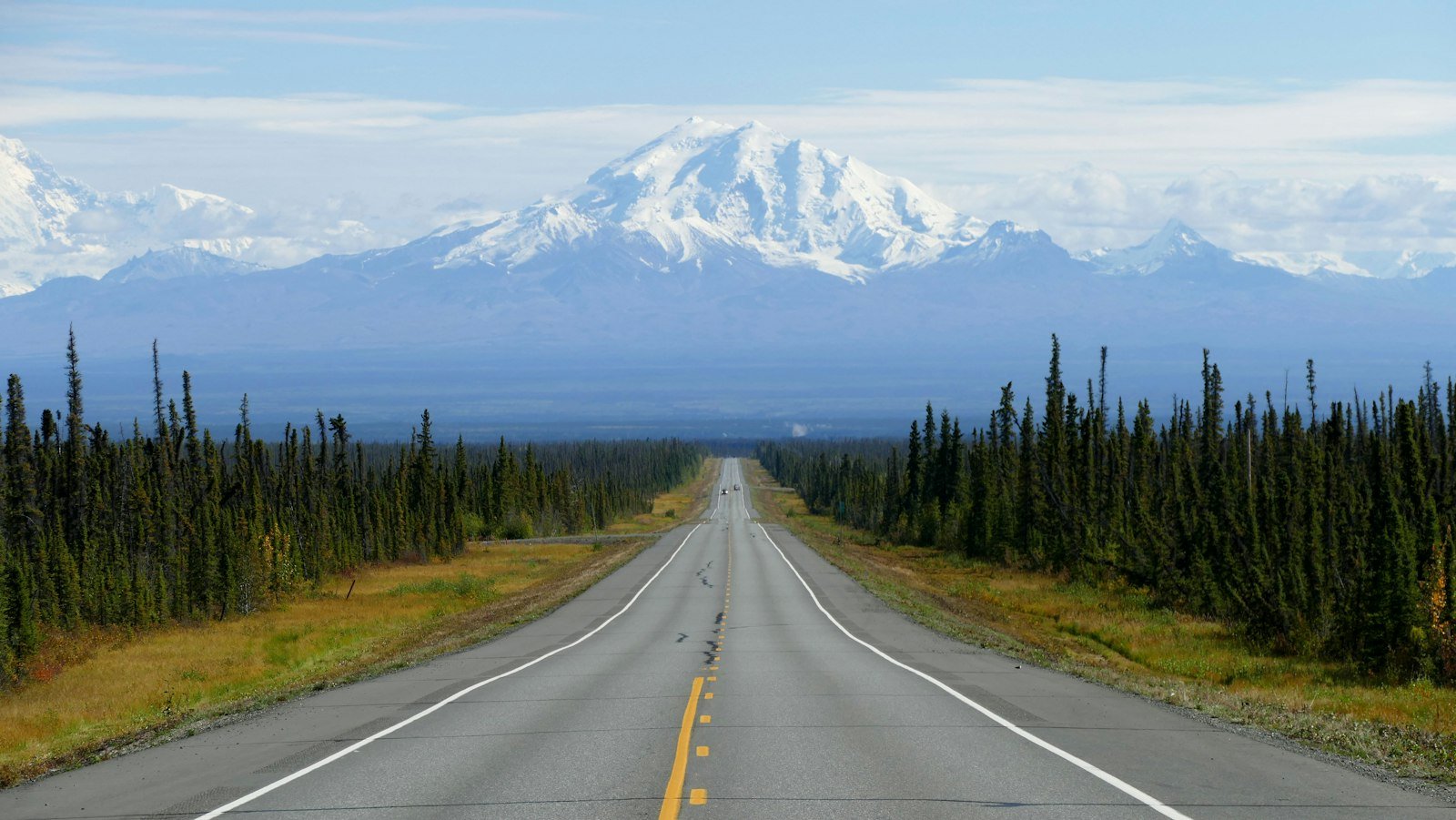
You can get a car to Alaska in two main ways: by ocean carrier from the Seattle–Tacoma area to Anchorage, or by truck or self-drive up the Alaska Highway through Canada. For most people the ocean route is the simplest and safest choice, while the road route makes sense in summer if you want to drive yourself or need door-to-door service to a road-connected town. Total time usually runs about 1 to 3 weeks from the Lower 48, and cost depends heavily on your start point and which Alaska city you are headed to.
Key takeaways
- Most cars reach Alaska by ship from the Tacoma/Seattle area to Anchorage, with a truck leg on each end if you want door-to-door service.
- The overland route runs through Canada on the Alaska Highway, which means a border crossing, long distances and tough winter conditions.
- Juneau and many Southeast Alaska towns are not connected to the road system, so they need a barge or ferry for the last leg.
- Plan for roughly 1–3 weeks total from the Lower 48, and add buffer time between October and April.
- Ocean carriers usually want about a quarter tank of fuel or less, no personal items, and paperwork that proves you own the car.
The two ways a car gets to Alaska
Alaska is the only state in the continental part of North America that you cannot reach without crossing another country or a stretch of ocean. That shapes every shipping plan. Your car will either sail north along the coast or drive north through British Columbia and the Yukon.
Marine route: ship from the Pacific Northwest
The most common path is a regular cargo sailing from the Tacoma/Seattle area to the Port of Anchorage. Cars roll on and roll off (often called RoRo) or ride in containers alongside freight. The sailing itself typically takes just a few days. The longer part is getting the car to the port in Washington, waiting for the next sailing cutoff, and then moving it from Anchorage to your final address.
From Anchorage, cars can continue by truck to road-connected towns like Wasilla, Palmer, Soldotna, Kenai, Homer and Fairbanks. Some moves to Fairbanks use rail for part of the trip.
Road route: the Alaska Highway
The overland route heads north through Washington or Montana into Canada, then follows the Alaska Highway from Dawson Creek, British Columbia, to Delta Junction, Alaska. From the Seattle area, the drive to Anchorage is roughly 2,200 to 2,400 miles depending on the path you choose. A few car carriers run this route in the warmer months, and many people drive it themselves.
The road route can be a good fit if you are already driving your household north, if you want to see the country, or if you are headed to an interior town where a direct truck delivery is easier than a port pickup.
Ocean vs. road: side-by-side comparison
Here is how the two options usually compare. Numbers are typical ranges, not quotes, and they move with season, fuel costs and demand.
| Factor | Ocean (Tacoma/Seattle to Anchorage) | Road (Alaska Highway via Canada) |
|---|---|---|
| Typical total time from the Lower 48 | About 1–3 weeks door to door | About 1–2 weeks by carrier; 5–8 days if you drive yourself |
| Best season | Year-round | Late spring to early fall |
| Border crossing | None | Enter Canada and re-enter the U.S. |
| Wear on the car | Very little added mileage | 2,000+ miles if self-driven; gravel and frost heaves |
| Personal items in car | Usually not allowed | Allowed if you drive; limited on a carrier |
| Reaches Juneau / Southeast | Needs a barge or ferry connection | Only via ferry from Haines or Skagway |
| Good for | Most moves, military PCS, winter moves | Summer moves, people driving north anyway |
What shipping a car to Alaska typically costs
Alaska moves cost more than most moves inside the Lower 48 because they combine a truck leg, an ocean leg and sometimes a second truck leg. Your price is mostly driven by four things:
- Your starting point. A car already near Tacoma costs far less than one starting in Florida, which needs a cross-country truck leg first.
- Your Alaska destination. Anchorage port pickup is the cheapest. Delivery to Fairbanks, the Kenai Peninsula or a Southeast town adds cost.
- Vehicle size. Ocean pricing often depends on length and height. Lifted trucks, vans and long-bed pickups cost more.
- Season. Summer is busy with military moves, seasonal workers and new residents. Prices and wait times can rise.
As a rough guide, the Lower 48 truck leg to the Pacific Northwest usually falls in the normal domestic range of about $500 to $1,900 for open transport, depending on distance. The ocean leg and any Alaska-side delivery are added on top. Ask for a quote that spells out each leg so you can see where the money goes. You can get a starting estimate with our car shipping cost calculator.
Port pickup vs. door delivery in Alaska
Picking up your car at the Anchorage terminal saves money, but you need a ride there and you must collect it within the terminal's free storage window, or storage fees may start. Door delivery costs more but saves you a trip, which matters if you are moving to Fairbanks or the Kenai.
Places that need extra planning
Juneau and Southeast Alaska
Juneau, Ketchikan, Sitka, Petersburg and Wrangell have no road link to the rest of North America. Cars reach them by barge service from the Seattle area or by the Alaska Marine Highway ferry system. Barge schedules can be weekly or less frequent, so book early and confirm the cutoff date.
Fairbanks and the Interior
Fairbanks is road-connected to Anchorage by the Parks Highway, about 360 miles. Many shipments land in Anchorage and then move north by truck. Winter travel on this road is normal for local drivers but can add a few days during heavy snow.
Rural and off-road communities
Towns like Bethel, Nome and Kotzebue are reached only by air or seasonal barge. If you need a vehicle in one of these places, start planning months ahead, because barge seasons are short and tied to ice conditions.
If you choose the road route through Canada
Driving or trucking through Canada adds steps that ocean shipping skips. If you plan to drive yourself, use this checklist before you leave:
- Bring a valid passport or other document accepted for land entry into Canada and re-entry into the U.S. Check current rules with U.S. Customs and Border Protection and the Canada Border Services Agency.
- Carry your registration, proof of insurance valid in Canada, and a lender's letter if the car is financed or leased.
- Know Canada's firearms rules before you pack. Many firearms are restricted or prohibited, and rules are strict.
- Get a full service: tires, brakes, wipers, coolant and a spare that is actually usable.
- Plan fuel stops. Some stretches of the highway have long gaps between gas stations, especially in the off-season.
- Pack for cold weather even in summer: blankets, water, food and a basic emergency kit.
- Expect gravel patches, construction zones and frost heaves that can damage low cars.
Snowbirds and seasonal workers often split the difference: they fly and ship the car by sea in fall, then drive it south in spring when the highway is at its best. Our snowbird car shipping guide covers seasonal timing in more depth.
Getting your car ready for an ocean sailing
Ocean carriers have stricter rules than truck carriers. They are moving your car alongside freight and must follow safety rules for fuel and hazardous items. Requirements can vary by line, but these are the common ones:
- Fuel: usually a quarter tank or less.
- No personal items: most lines do not allow household goods in the car. Remove toll tags, garage openers and loose items.
- Working condition: the car generally needs to start, steer and brake. Non-running cars may be accepted for an extra fee or may need a different service.
- No leaks: active fluid leaks can lead to a refusal at the terminal.
- Clean exterior: a clean car makes the condition inspection accurate.
- Keys: one working set handed over at drop-off.
Take dated photos of all sides, the roof, wheels, the interior and the odometer before you hand over the keys. Our vehicle shipping checklist walks through the full prep list.

Documents and paperwork
For a move between two U.S. states, the paperwork is simple compared with a foreign move, but ports still check ownership. Expect to provide:
- Vehicle title or current registration in your name.
- A photo ID that matches the name on the booking.
- A lienholder authorization letter if the car is financed or leased. Some lenders take a week or more to issue one, so request it early.
- A signed authorization if someone else will drop off or pick up the car for you.
- Military orders, if you are shipping under a PCS move.
Registering the car in Alaska
New residents typically need to title and register their vehicle with the Alaska Division of Motor Vehicles within a short period after moving. Alaska does not require a routine safety inspection for most passenger cars, but rules and deadlines can change, so confirm the current requirements directly with the Alaska DMV before you arrive.
Timing your Alaska shipment
Here is a sample timeline for a car starting in the Midwest and going door to door to Anchorage. Every move is different, so treat this as a planning guide.
| Step | Typical timing |
|---|---|
| Book transport and request lender letter | 2–4 weeks before you need the car |
| Truck pickup to Pacific Northwest port | About 4–7 days on the road |
| Wait for sailing cutoff | 0–7 days, depending on schedule |
| Ocean sailing to Anchorage | A few days |
| Unloading and release | 1–3 days |
| Local delivery in Alaska | Same day to several days |
If your schedule is tight, an expedited pickup on the truck leg can help you make an earlier sailing. CTS also offers a guaranteed delivery date option on many routes, which takes much of the guesswork out of a multi-leg move.
Military moves to and from Alaska
Alaska has several large military installations, including Joint Base Elmendorf-Richardson near Anchorage and Fort Wainwright and Eielson Air Force Base near Fairbanks. Service members on PCS orders may be eligible to ship one privately owned vehicle at government expense through the official military program. If you have a second car, or you want door-to-door service rather than a vehicle processing center drop-off, a private carrier can handle it. See our military car shipping page for how the two options fit together.
Choosing open or enclosed for the truck legs
Open transport is the standard for daily drivers and keeps cost down. If you are moving a classic, a high-value car or a vehicle you want shielded from road salt and gravel, consider enclosed car shipping for the truck portions. CTS works with a network of more than 100,000 licensed and insured carriers and can arrange enclosed transport and coverage up to $2M when the car calls for it.
Frequently asked questions
How long does it take to ship a car to Alaska?
Most shipments from the Lower 48 take about 1 to 3 weeks door to door. Cars that start near Tacoma or Seattle can arrive faster, while cars from the East Coast or headed to Southeast Alaska take longer.
Is it cheaper to drive to Alaska or ship the car?
Once you add fuel, lodging, food, time off work and wear on the car over 2,000-plus miles, shipping is often close in cost and much less stressful. Driving can win if you need to move your household goods anyway and enjoy the trip.
Can I pack things in my car when shipping to Alaska?
Usually not on the ocean leg. Most lines require the car to be empty except for standard items like a spare tire and jack. Ask before you pack anything.
Can you deliver to Juneau?
Yes, but not by road. Juneau needs a barge or ferry connection. Expect a longer timeline and confirm the sailing schedule early.
Do I need a passport to ship my car to Alaska?
Not if the car goes by sea and you fly. If you drive through Canada yourself, you will need documents accepted for border crossing, such as a passport.
What happens if a winter storm delays my car?
Weather can delay both sailings and road travel. Your carrier will update you, and building a few days of buffer into your plan between October and April is wise.
Ready to plan your move north? Visit our Alaska car shipping page for route details, or get a free quote with no deposit required.
Updated November 4, 2026